The U.S. Treasury chief is betting that faster growth can tame America’s debt burden, but the market is signaling that investors are increasingly skeptical.
U.S. Treasury Yield Rise Pressures Debt Outlook

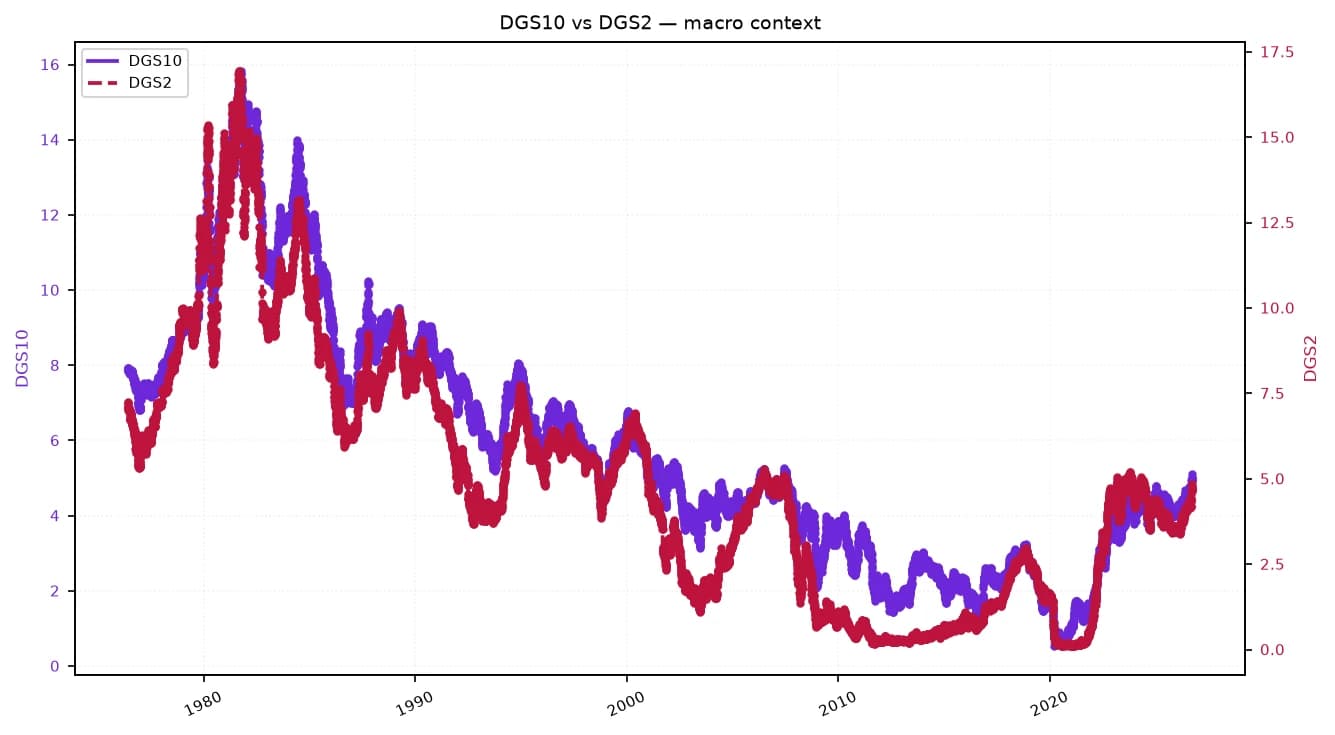
Scott Bessent says the U.S. can “grow out” of a fiscal mountain that has now topped $40 trillion, arguing that 3% growth and tighter federal spending will do the heavy lifting. That is the right political message and the wrong economic math. The latest market move in Treasuries shows why: the 10-year yield has pushed above 5%, a level that sharply raises borrowing costs across the economy and makes it harder, not easier, for deficits to shrink.
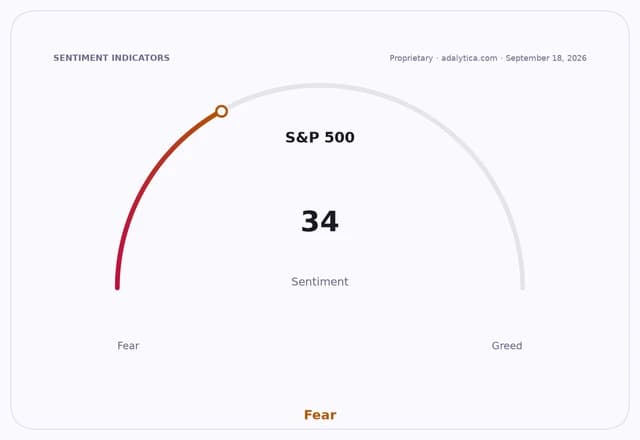
Sentiment IndicatorsⓘProprietary · adalytica.com · September 18, 2026
This is a snapshot — live sentiment, awareness and momentum for 130+ markets update continuously in the dashboard.Open AlphaPulse

For investors, this is not just a Washington debate. It is a repricing of the U.S. macro regime. When debt is expanding faster than growth, every extra percentage point in Treasury yields compounds the problem by lifting interest expense, already running at an annualized $1.02 trillion with a month left in the fiscal year. That makes the government itself a major borrower competing for capital with households, companies and the AI infrastructure boom Bessent hopes will drive productivity.
The problem is that even strong growth has not been enough. Bloomberg’s data show the U.S. economy expanded close to 3% in 2023 and 2024, yet federal debt still jumped about 10% and 7% in those years, driven by deficits above $1.6 trillion. In other words, growth helped, but it did not offset the structural force of spending, interest costs and aging demographics.
GDP vs DGS10 — macro contextadalytica.com
Explore this data interactively — full history, time series and cross-market comparisons.Open AlphaPulse
That is the key reason the bond market matters here. The rise in 10-year yields is not just a technical move; it is a tax on the fiscal outlook. Higher rates feed directly into debt-service costs, and those costs are now one of the fastest-growing parts of the budget. The next leg of the story is obvious: if yields stay near these levels, the U.S. cannot rely on growth alone to close the gap.
The market is also quietly trading against the government’s optimism. Conventional technical indicators on the iShares 20+ Year Treasury Bond ETF show the fund near the lower end of its recent range, with the 50-day average above the current price and RSI readings still weak, underscoring that duration investors have not yet embraced a lasting rally in bonds. At the same time, broader equity markets remain resilient, but that only makes the fiscal backdrop more important: stocks can absorb slower growth for a while, but they cannot ignore sustained upward pressure on discount rates.
The real investment takeaway is that the winning trade is not “buy everything America” and hope growth saves the budget. The better thesis is to own the beneficiaries of a higher-rate, higher-debt world: banks with pricing power, defense contractors if Washington keeps spending, energy and power infrastructure tied to industrial expansion, and selective AI and electrification names that can convert capex into real productivity. The losers are long-duration bonds, rate-sensitive real estate and any business model that depends on cheap capital and perpetual multiple expansion.
Bessent is right about one thing: growth matters. But investors should not mistake that for a fix. The more likely path is a prolonged contest between rising debt, sticky deficits and a Treasury market that keeps demanding a higher risk premium. Position for that regime now, because the market is already telling you the easy years of fiscal complacency are ending.
| Entity | Gains | Losses |
|---|---|---|
| Banks | ▲wider lending spreads | ▼borrowers facing higher rates |
| Defense contractors | ▲larger Pentagon budgets | ▼deficit hawks |
| Treasury bondholders | ▲none | ▼capital losses from higher yields |
| Rate-sensitive sectors | ▲none | ▼refinancing pressure |