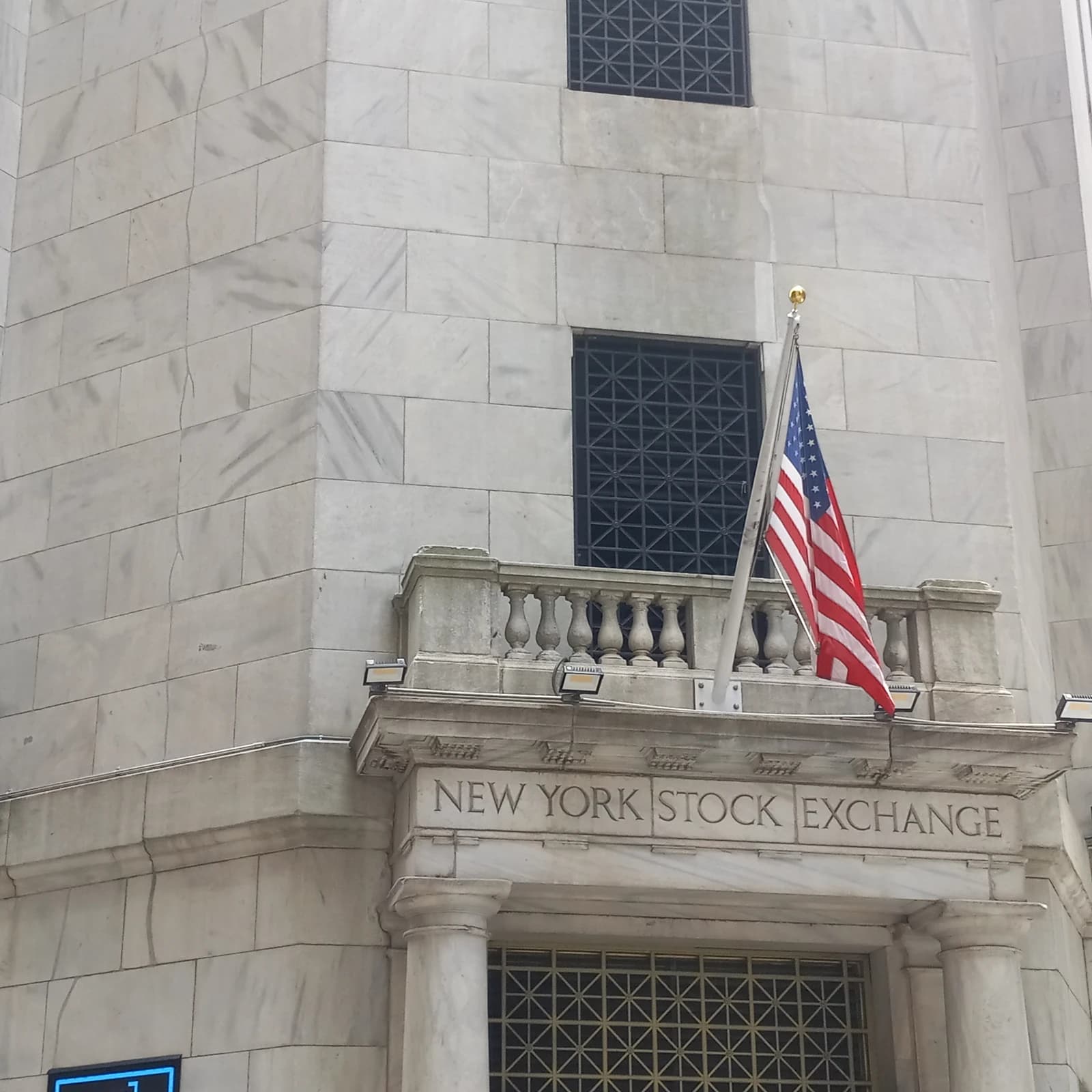
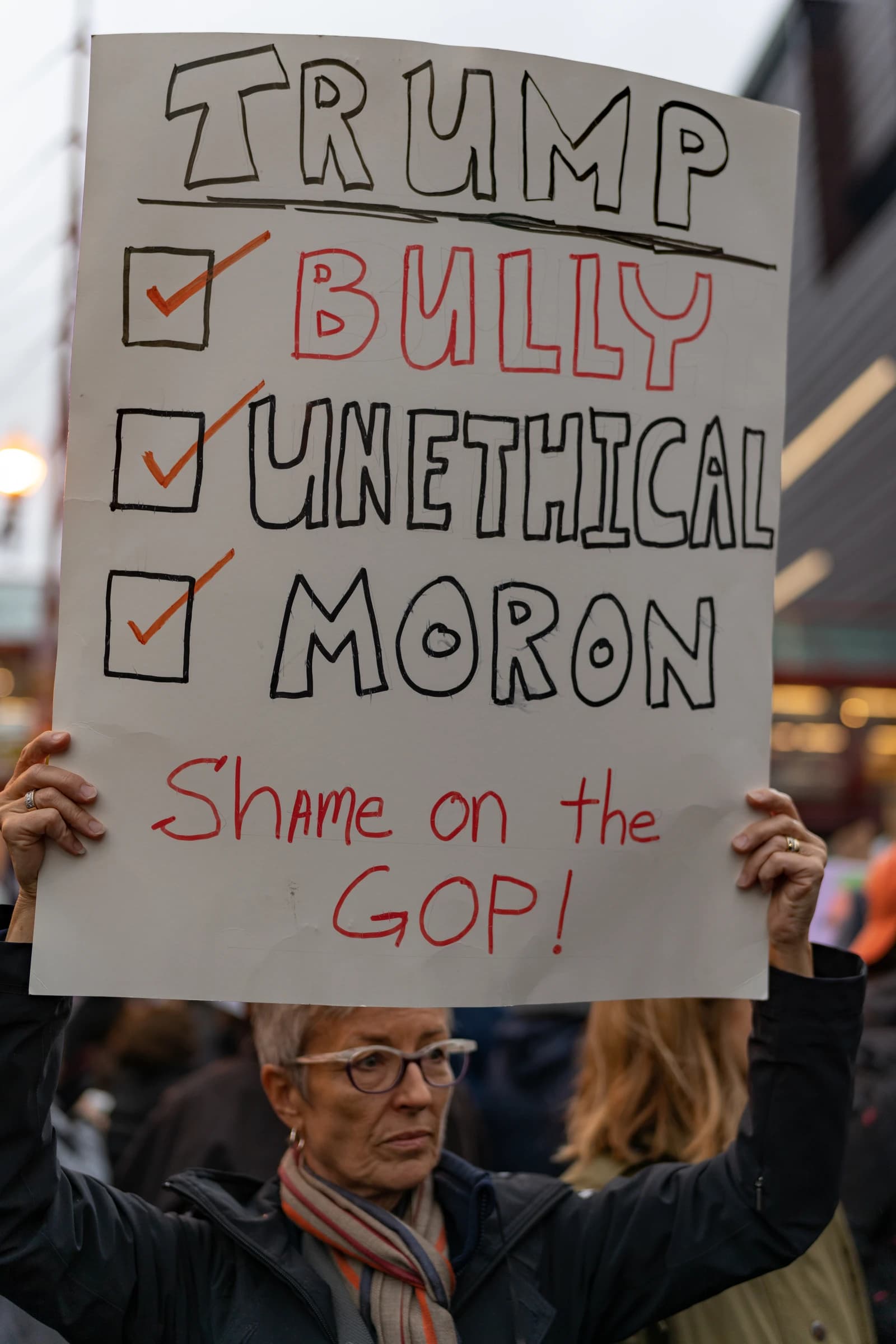
US Treasury yields fell as investors rushed into safe assets after signs Democrats were on track to control both chambers of Congress, a shift that could make it harder for President Donald Trump to push through his economic agenda.
US Treasury yields fall on Democratic sweep bets
The benchmark 10-year Treasury yield slipped nearly 5 basis points to 4.902%, while the 2-year yield dropped to 4.55% and the 30-year yield fell 5.29 basis points. When yields fall, bond prices rise, and that move usually means investors are looking for shelter from uncertainty.
Sentiment Indicators
That matters because bond markets often react first to political change, especially when the new balance of power raises the odds of gridlock in Washington. A divided government can restrain sweeping fiscal moves, limit the pace of policy shifts and reduce the risk of abrupt legislative changes that might unsettle markets. For long-term investors, that kind of gridlock can be a double-edged sword: it may slow growth impulses, but it can also cap some of the policy volatility that tends to hit stocks hardest.
The selling in equities helped fuel the move. Wall Street futures fell as election results pointed to a Democratic sweep of the House and Senate, prompting a classic risk-off trade into Treasuries. That was visible not just in the benchmark 10-year, but also in the 2-year note, which tends to be more sensitive to expectations for the Federal Reserve and near-term economic conditions.
The broader market picture reinforces that investors were reaching for protection rather than chasing returns. Treasury bond exchange-traded funds such as TLT and IEF were firmer, while the S&P 500 stumbled sharply, showing that money was rotating out of stocks and into defensive assets. Adalytica’s trade signals on US Treasury bonds showed extreme greed, while its reading on the dollar pointed to extreme fear, underscoring how quickly sentiment shifted toward safety.
Trump’s comments only added to the uncertainty. He said he was ready to use the veto if Democrats gained control of Congress, a stance that would intensify political standoffs and make major economic legislation more difficult to pass. For investors, that raises the importance of watching yields, the yield curve and policy signals from Washington, because the market is increasingly pricing not just growth and inflation, but also the likelihood of legislative deadlock.
For long-term portfolios, the key takeaway is simple: political surprises can move markets fast, but they do not change the basic case for diversification. Investors should treat Treasury rallies and stock selloffs as reminders that safe assets still play an important role in balancing risk. This looks worth watching, especially if Washington’s new power split turns into a prolonged policy stalemate.
| Entity | Gains | Losses |
|---|---|---|
| US Treasury bonds | ▲Safe-haven demand | ▼Higher yields |
| Bond investors | ▲Price gains | ▼Recession risk if slowdown deepens |
| S&P 500 stocks | ▲— | ▼Risk-off selling |
| Democrats in Congress | ▲Leverage over legislation | ▼Less room for immediate policy change |