Private wealth looks safer on paper than it often is in practice, and the real test is not how much an investor owns but how quickly that capital can be used when markets, income and retirement plans move against them.
US wealth planning focuses on liquidity and stress tests

That is the central message behind a growing focus on scenario-based financial planning: portfolios may be large, but they are not automatically resilient. A property asset can be valuable and still illiquid. A bond or equity portfolio can recover over time and still force losses if cash is needed during a selloff. And a retirement balance sheet can look adequate until inflation, taxes or an earlier-than-expected exit from work changes the spending math.
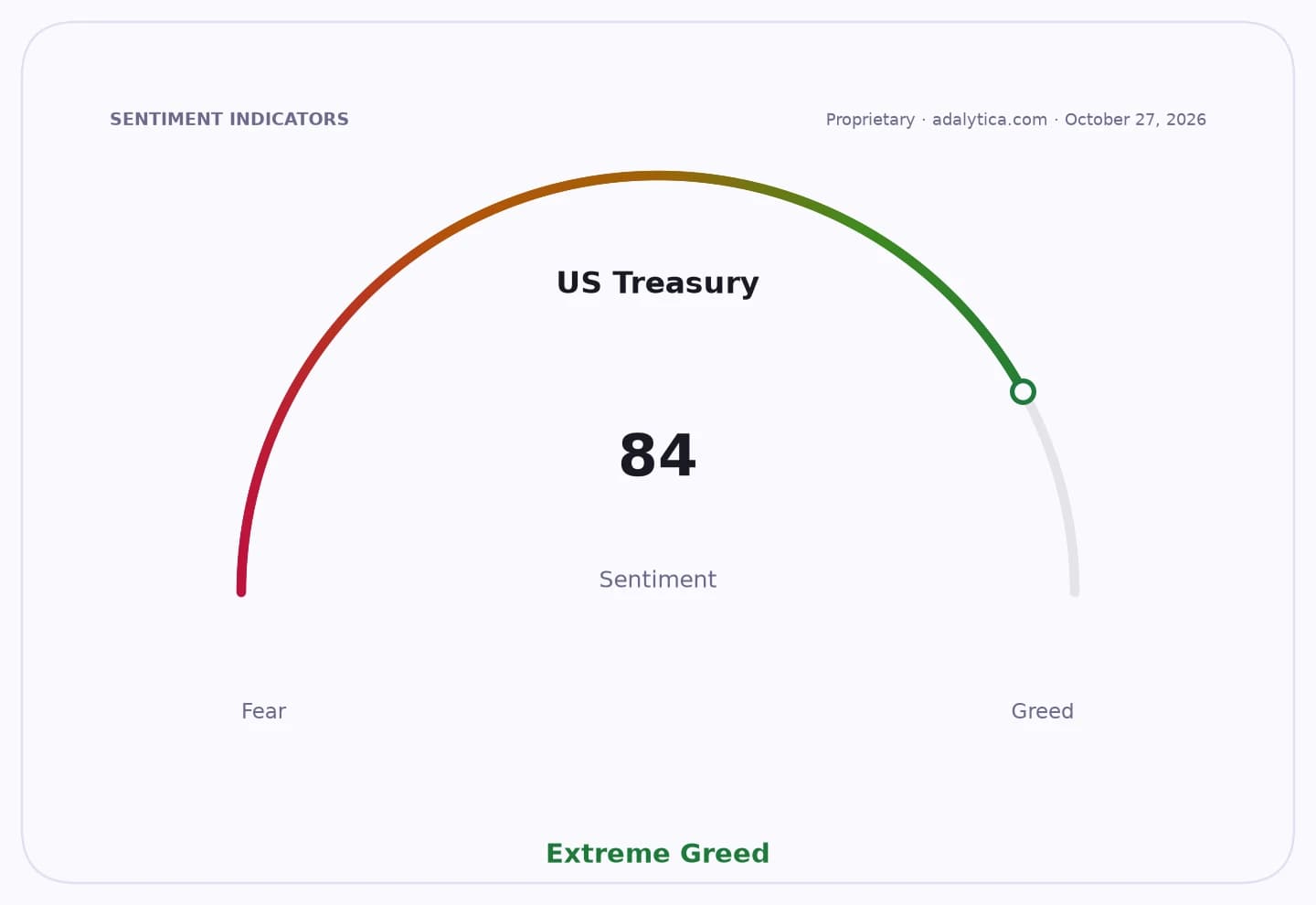
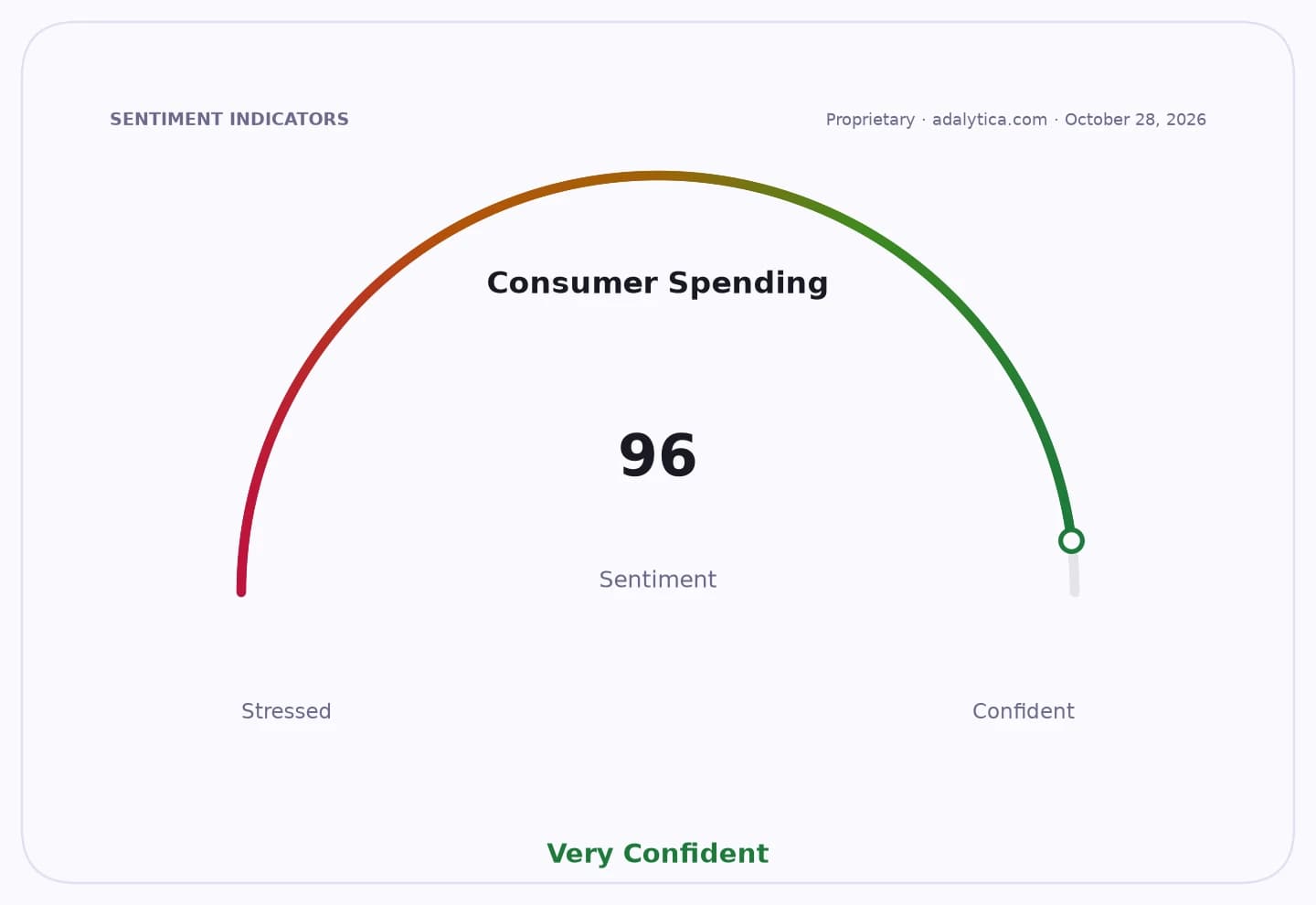
Sentiment Indicators
The macro backdrop explains why the question matters now. US 10-year Treasury yields are near 4.95%, inflation remains elevated at roughly 337.5 on the CPI index, and unemployment is still low at 4.1%, leaving households with less margin for error even as the economy avoids outright stress. That combination keeps financing costs high, raises the hurdle for future returns and makes cash-flow planning more important than headline portfolio values.
In that environment, the difference between a liquid reserve and an illiquid asset can determine whether an investor is forced to sell into weakness. A simplified example often used by advisers captures the point: a €200,000 portfolio hit by a 25% decline falls to €150,000, but a simultaneous €40,000 repair bill still has to be paid. The economically relevant question is not whether the market eventually recovers; it is whether the household can bridge the gap without realizing losses or disrupting long-term goals.
That is why private-finance planning is moving away from static net-worth snapshots toward stress tests that combine assets, liabilities, cash flow and timing. The three questions at the heart of that process are straightforward: what happens if markets fall when cash is needed, how long can income disruptions be absorbed, and whether retirement is still affordable if it starts earlier than planned. Each one turns a balance sheet into a liquidity problem, which is often where private wealth plans break down.
Investors are already seeing the market version of that trade-off. The S&P 500 remains above its 200-day moving average, but recent volatility and a still-negative MACD reading show that even strong long-term trends can wobble. At the same time, gold’s sharp swings and Treasury price moves suggest demand for hedges has not disappeared, even as risk appetite improves. Adalytica’s trade signals show extreme greed for the S&P 500, a reminder that confidence can rise quickly while the underlying question of resilience remains unresolved.
The bull case is that most households are better diversified than they were a decade ago, with more access to index funds, retirement products and digital planning tools. The bear case is that many still underestimate sequence risk, overstate the value of paper wealth and ignore how quickly inflation eats into retirement spending power. A 2% annual inflation rate can turn a €3,000 monthly lifestyle into about €4,038 after 15 years, before taxes and health costs are even considered.
For investors, the practical implication is that crisis-proofing is less about chasing higher returns than about matching assets to liabilities. The portfolios most likely to endure are not necessarily the ones with the highest expected performance, but the ones with enough liquidity, flexibility and contingency planning to survive a bad sequence of events. In a market where rates remain high and inflation is still not fully tamed, that distinction matters more than ever.
| Entity | Gains | Losses |
|---|---|---|
| Liquid cash reserves | ▲Flexibility in stress | ▼Lower current yield |
| Long-duration portfolios | ▲Potential recovery over time | ▼Forced selling risk |
| Households with scenario plans | ▲Better cash-flow control | ▼Less reliance on guesswork |
| Illiquid asset owners | ▲Long-term value potential | ▼Limited emergency access |