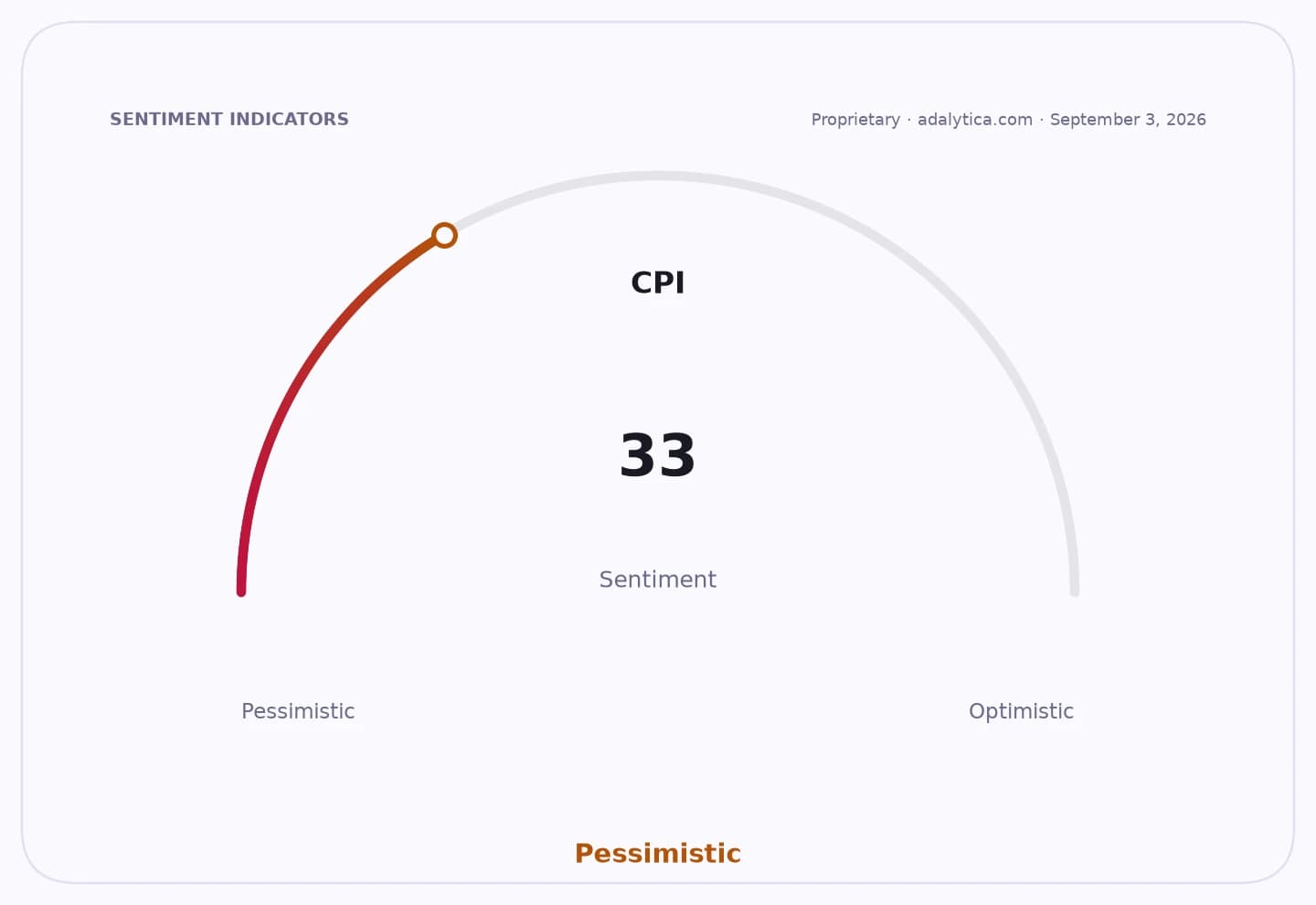
Uzbekistan’s annual inflation cooled to 6.2% in August from 6.4% in July, reinforcing signs that price pressures are moderating in Central Asia’s biggest economy and giving policymakers a little more room to support growth.
Uzbekistan inflation cools to 6.2% in August

The slowdown matters because inflation has been one of the main constraints on household spending, real wages and monetary policy. A softer reading reduces pressure on the central bank to keep policy tight for longer, and it helps preserve purchasing power at a time when governments across the region are trying to sustain consumption without reigniting price gains.

The monthly increase in consumer prices was 0.2%, according to the statistics committee. Food prices rose 0.4% in the month, while non-food goods increased 0.2% and paid services were up just 0.1%. The latest figure is also well below the 8.8% annual rate recorded in August 2025, suggesting the disinflation trend has broadened over the past year rather than reflecting a one-off base effect.
For investors, the reading is constructive in several ways. Lower inflation improves the outlook for domestic demand, supports real returns in local-currency assets and reduces the risk of abrupt monetary tightening that can crimp credit growth and valuations. It also strengthens the case for continued macroeconomic stability in a market that has been drawing investment on the back of reforms, trade expansion and infrastructure spending.
The bull case is that easing inflation, if sustained, could allow Uzbekistan to combine stronger growth with a more predictable policy backdrop. The bear case is that food prices remain vulnerable to weather, import costs and regional supply shocks, while any renewed currency weakness could quickly filter through to consumer prices. That makes the next few monthly prints critical for judging whether August marks a durable turning point or just another pause in a still-fragile disinflation process.
For now, the message is that Uzbekistan is entering the second half of the year with a more comfortable inflation profile, and that gives both policymakers and investors a somewhat better starting point.
| Entity | Gains | Losses |
|---|---|---|
| Uzbek households | ▲Higher purchasing power | ▼Less urgent wage relief |
| Central bank | ▲More policy flexibility | ▼Less room to blame inflation |
| Local borrowers | ▲Lower rate pressure | ▼Inflation hedges |
| Import-dependent retailers | ▲Stable pricing | ▼Margin squeeze from slower price pass-through |