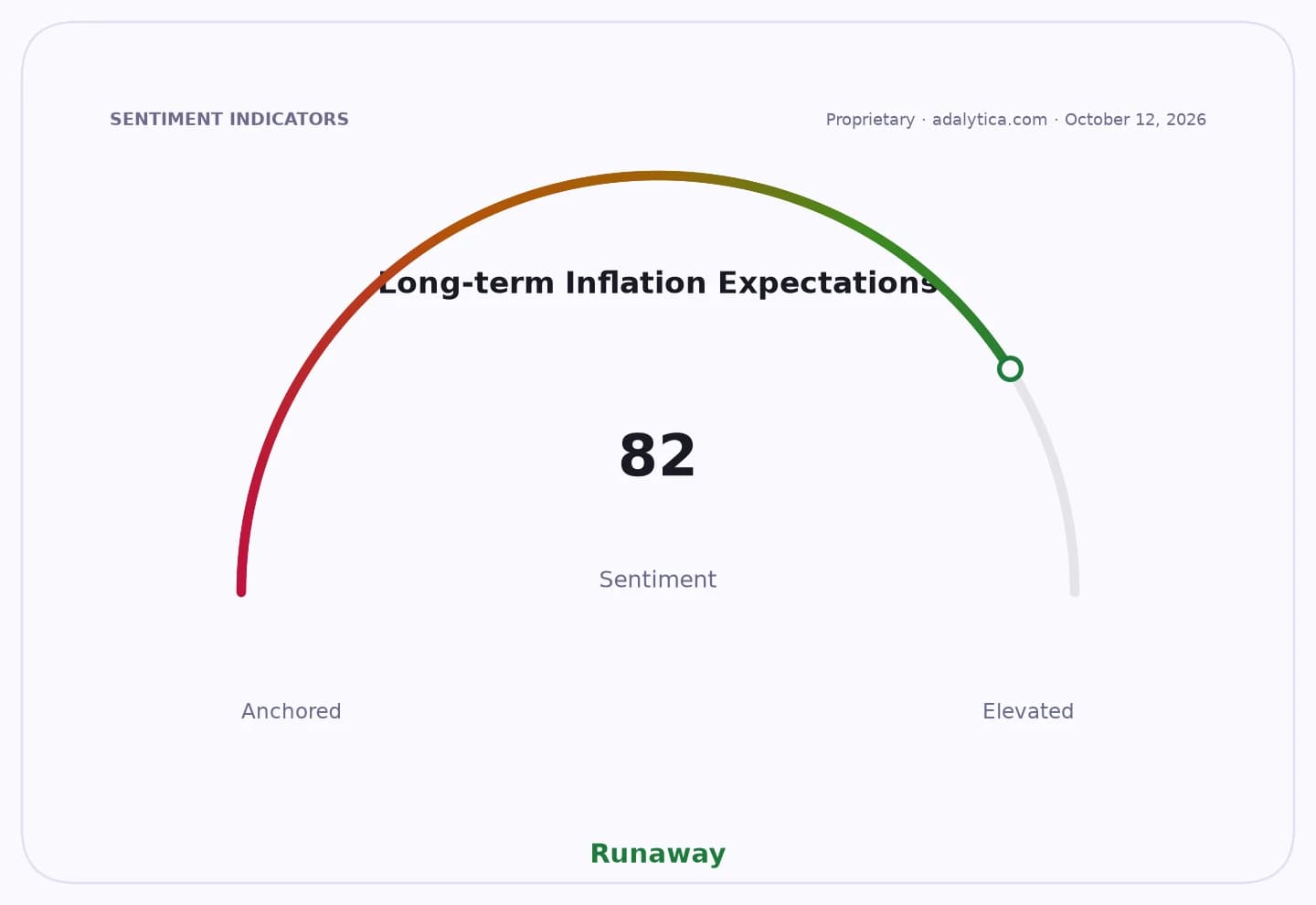
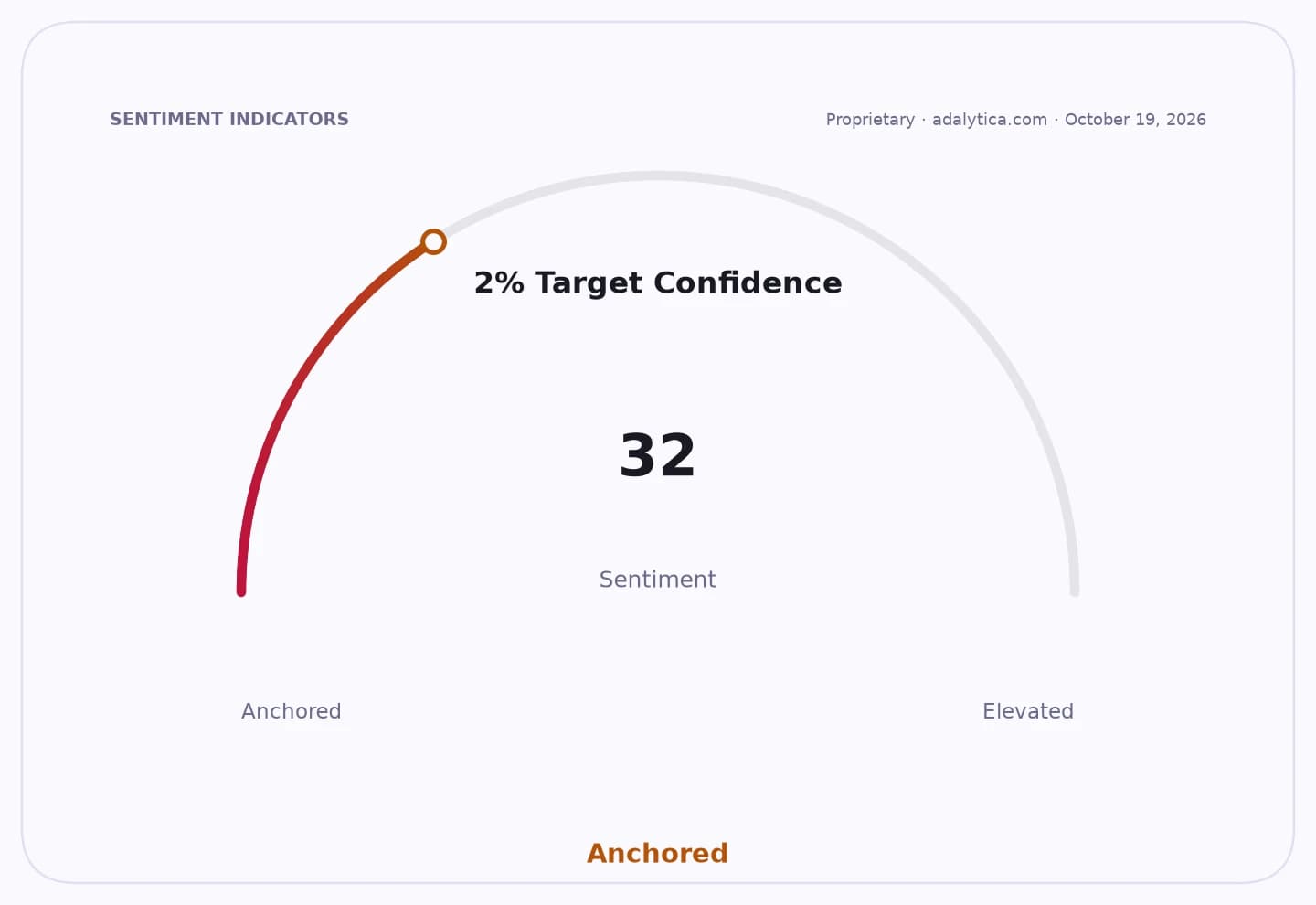
Uzbekistan’s consumer inflation quickened in September, with prices rising 0.7% on the month as food, services and non-food goods all became more expensive, underscoring persistent pressure on household budgets and the outlook for monetary policy.
Uzbekistan inflation rises 0.7% in September
The September reading was slightly above the 0.6% increase a year earlier, according to the national statistics agency. On a cumulative basis, consumer prices have risen 4.2% since the start of 2026 and 6.4% from a year ago, keeping inflation elevated even as officials have sought to contain broader economic strains.
Food prices climbed 1% in the month, the fastest of the main categories, while non-food goods rose 0.3% and paid services increased 0.9%. That mix matters because food and utility-related costs tend to hit lower-income households hardest and can feed through to wage demands and retail spending.
For investors, the data reinforces the challenge facing Uzbekistan’s central bank and fiscal authorities as they balance growth support against price stability. Higher inflation can keep borrowing costs elevated, squeeze real incomes and complicate credit demand, while also amplifying pressure on the soum if external imbalances stay wide.
The September print also comes against a backdrop of a worsening trade deficit and lingering imported inflation, suggesting that price pressures are not fully under domestic control. That leaves policymakers with limited room to ease quickly if inflation remains sticky into the final quarter of the year.
| Entity | Gains | Losses |
|---|---|---|
| Uzbekistan consumers | ▲Higher nominal wages, if sustained | ▼Real purchasing power |
| Uzbekistan central bank | ▲Case for tighter policy | ▼Room to cut rates |
| Food producers and retailers | ▲Higher price pass-through | ▼Demand-sensitive shoppers |
| Importers and households | ▲— | ▼Higher import and living costs |