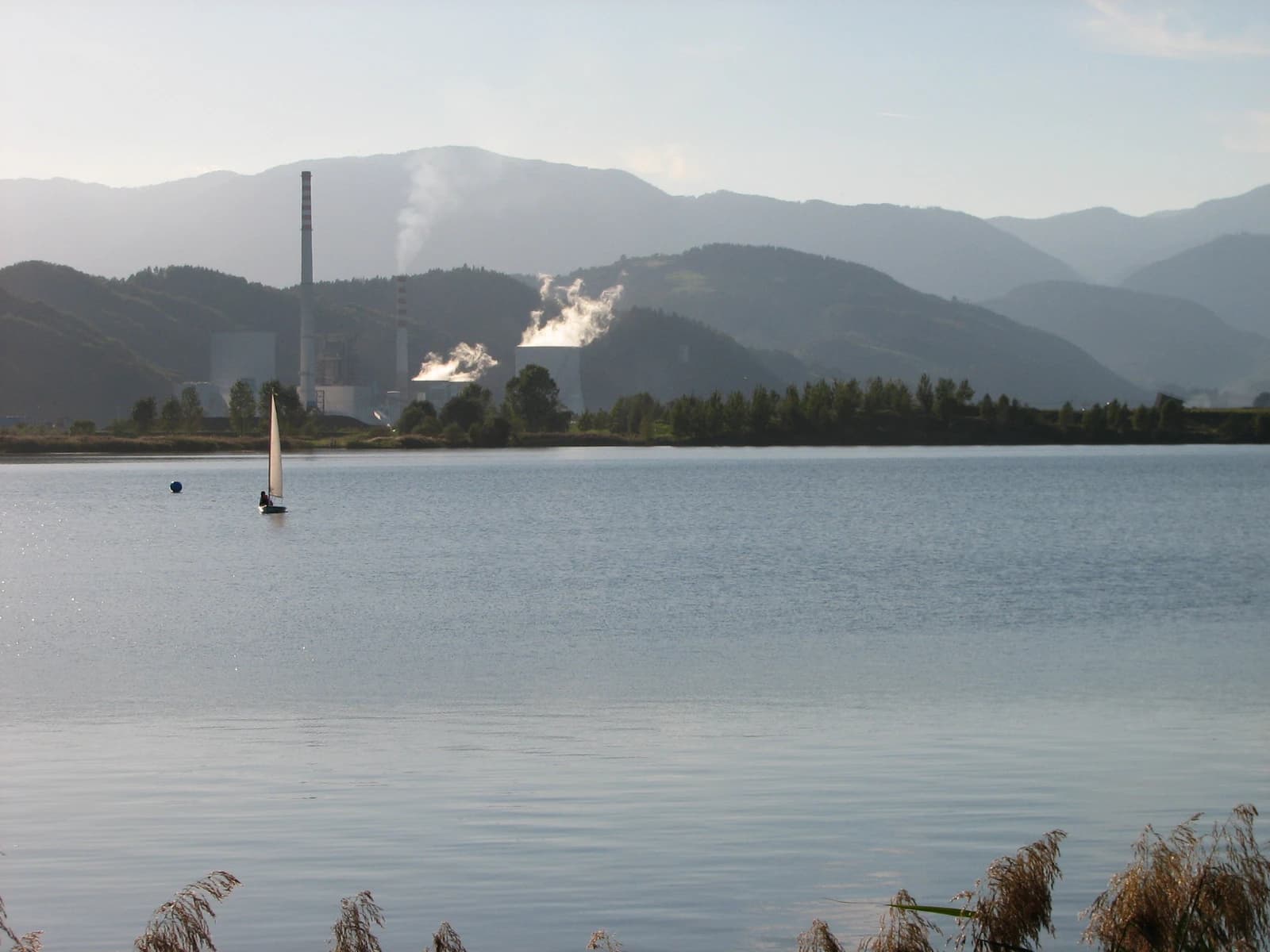
Valterra Platinum is moving to deepen its flagship Mogalakwena mine with an underground project that would let the world’s biggest platinum group metals miner tap higher-grade ore and lean further into a “value over volume” strategy.
Valterra Platinum plans Mogalakwena underground project
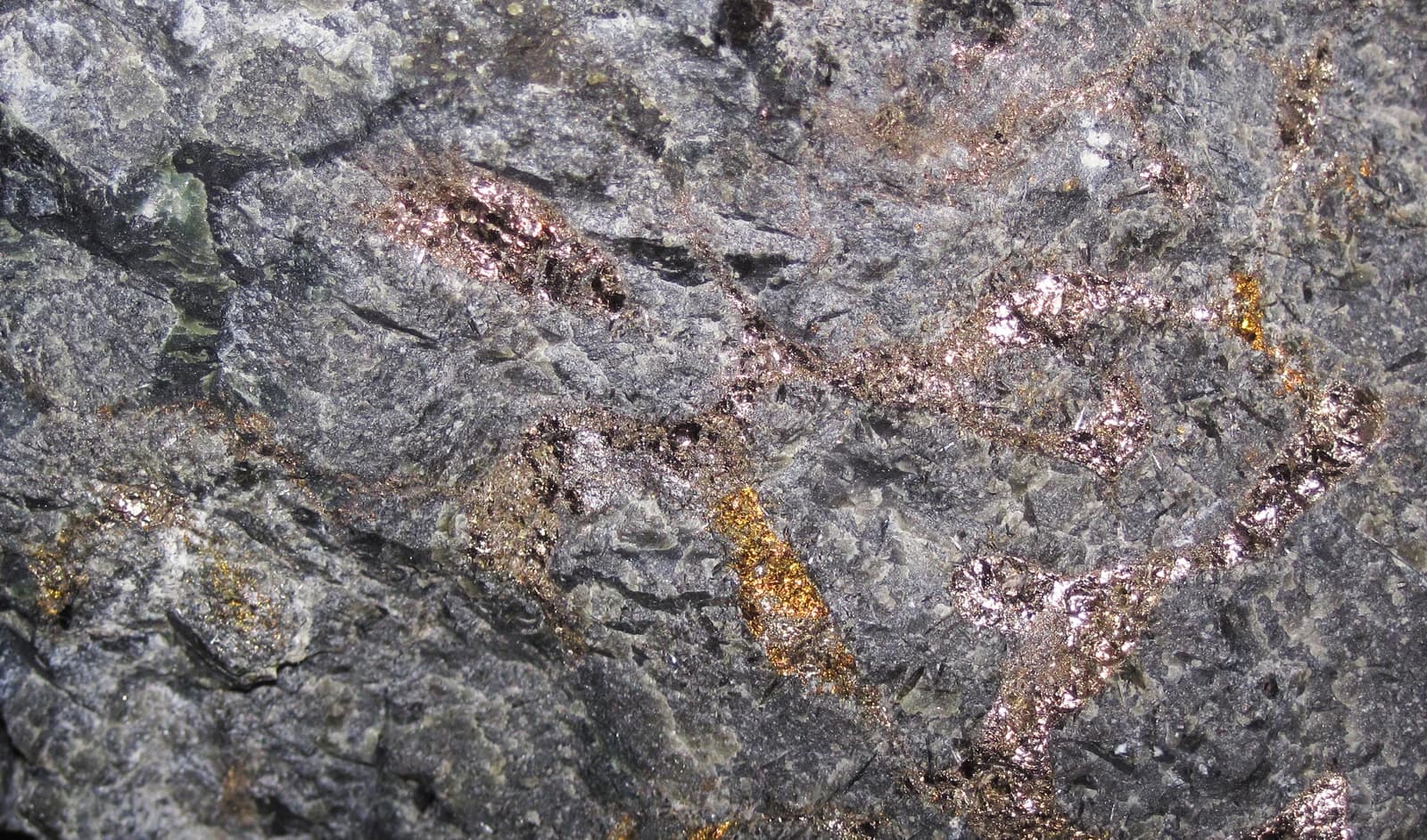
The planned Sandsloot underground extension matters because it could change the economics of a mine best known today as the world’s largest open-pit platinum operation. Underground ore typically carries higher grades than surface material, which can support margins even if output volumes are lower, a key consideration in a sector facing volatile prices and rising operating costs.
Sentiment IndicatorsⓘProprietary · adalytica.com · October 17, 2026
This is a snapshot — live sentiment, awareness and momentum for 130+ markets update continuously in the dashboard.Open AlphaPulse
Speaking on Bloomberg Chief Future Officer, Valterra CFO Sayurie Naidoo said the project fits the company’s shift away from chasing sheer production and toward returns on capital. For investors, that makes the move less about expanding tonnage and more about whether Valterra can protect profitability and cash generation as the platinum market remains cyclical.
The story lands against a broader backdrop of pressure and repositioning across precious-metals mining. Wesizwe Platinum has put its Bakubung concentrator plant on care and maintenance, showing how producers are trimming or reordering assets when returns are uncertain, while platinum, gold and silver remain supported by safe-haven flows even as costs and policy shifts complicate the outlook.
Valterra’s shares and the broader PGM trade will likely stay tied to execution risk, permitting and the eventual capital bill for Sandsloot, with the market looking for evidence that underground investment can lift asset quality without eroding returns. Any formal project update, capex guidance or timetable for the underground build will be the next key catalyst.
| Entity | Gains | Losses |
|---|---|---|
| Valterra Platinum | ▲Higher-grade ore access | ▼Near-term capex burden |
| Mogalakwena mine | ▲Longer-life asset profile | ▼Open-pit volume focus |
| PGM investors | ▲Potential margin support | ▼Construction and execution risk |
| Low-grade producers | ▲None | ▼Competitive pressure on returns |