Southern Palladium has given investors a bigger reason to pay attention to its Bengwenyama project in South Africa: a new prefeasibility study has more than doubled the modelled post-tax value of the platinum-group metals and chrome development to US$1.96 billion.
Southern Palladium Bengwenyama PFS lifts value to $1.96B
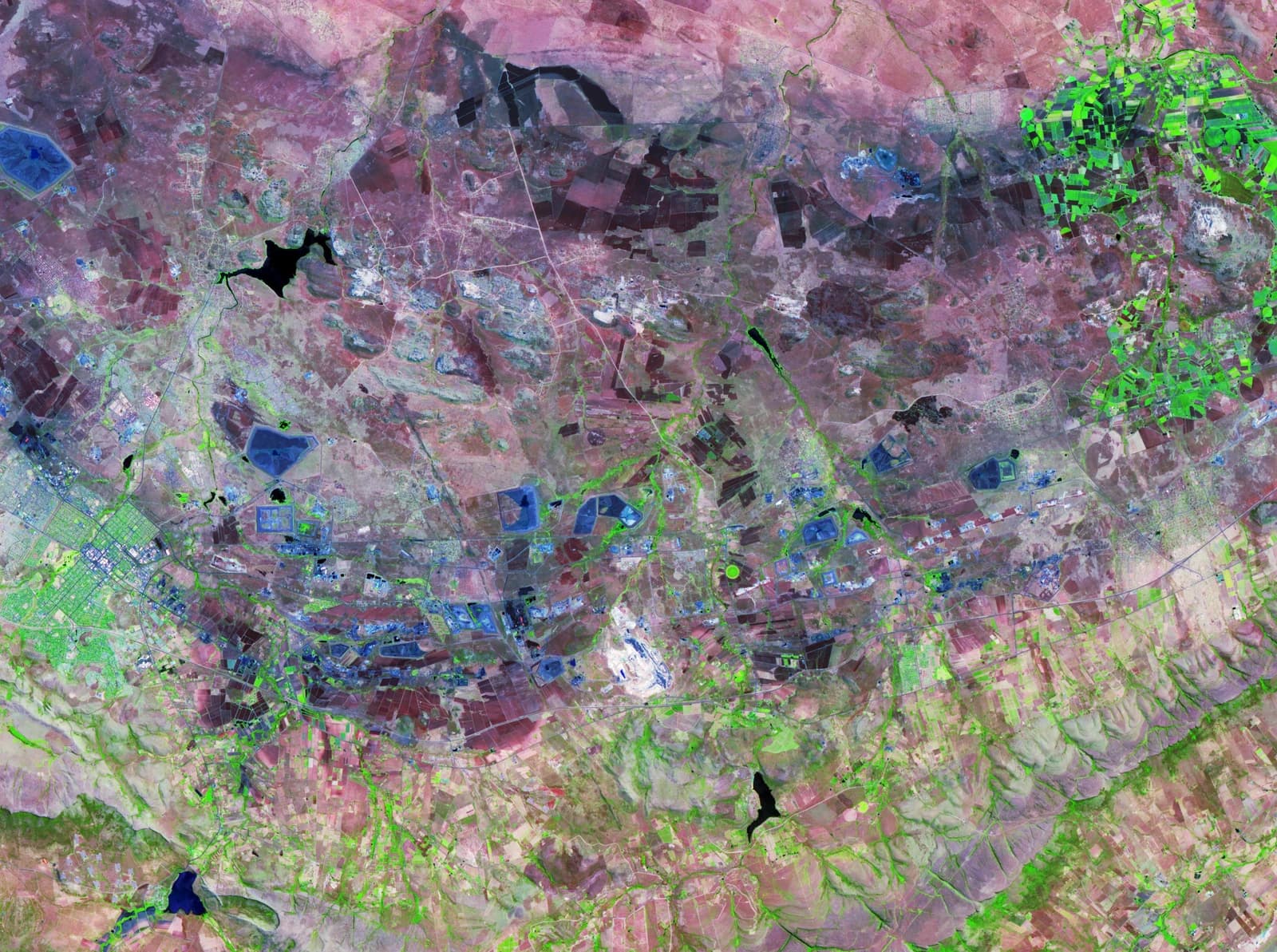
That matters because mining projects are priced on what they can ultimately throw off in cash, not just on geology or headline ounces. A larger net present value, if it survives the next round of technical and financing work, can improve a project’s standing with lenders, partners and long-term shareholders. For a small miner, that can be the difference between a speculative asset and a bankable one.
Sentiment IndicatorsⓘProprietary · adalytica.com · October 16, 2026
This is a snapshot — live sentiment, awareness and momentum for 130+ markets update continuously in the dashboard.Open AlphaPulse
The updated study, released Oct. 13, lifts the project’s value from US$857 million in the July 2025 optimised study. It also points to a 39.1% internal rate of return and a peak funding requirement of US$329 million, up from US$279 million. The company said the improvement reflects earlier metallurgical work, a revised plant design and stronger commodity-price assumptions, rather than any new ore reserve. In other words, the market is being asked to revalue the same project more efficiently, not a materially larger one.
That distinction matters for investors. Re-ratings driven by better engineering and recoverable metal content can be powerful, but they are not the same as discovering more ore. Southern Palladium still has a lot to prove before the numbers become real money. No new reserve was declared, roughly 30% of life-of-mine tonnes remain inferred resources and the definitive feasibility study is still outstanding. Funding also remains unresolved, which means dilution, debt risk or project delays are still on the table.
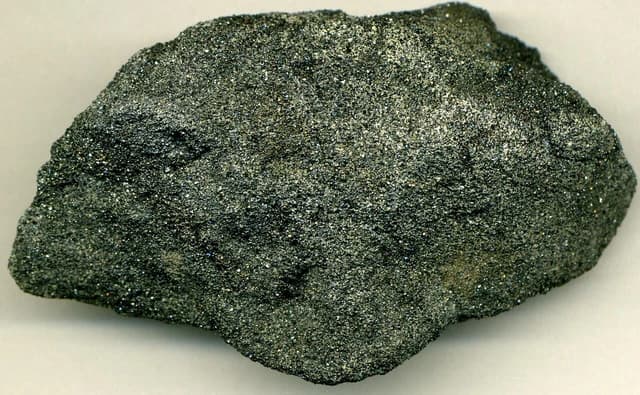
The study does, however, strengthen the investment case around the company’s core asset. Bengwenyama is designed as a chrome and PGM project, and the updated plan assumes 85.6% chromite recovery and about 1 million tonnes a year of chrome concentrate at full Stage 2 output. That gives the project exposure to two markets instead of one, a potentially useful feature at a time when investors are watching precious metals and South African mining assets for signs of resilience.
For the broader sector, the report is another reminder that in mining, project design and metallurgy can matter as much as commodity prices. Higher assumed recoveries and a better plant configuration can transform economics without changing the deposit itself. But until a definitive feasibility study and project funding are in place, the US$1.96 billion valuation should be treated as a blueprint, not a verdict.
For long-term investors, Southern Palladium is still in the “watch closely” category. The upside is real if the company can convert study economics into financing and execution. The risk is equally clear: until the project moves deeper into feasibility and funding, the valuation remains an estimate, not an asset. That makes the stock one for patient investors willing to wait for milestones, not chase a headline.
| Entity | Gains | Losses |
|---|---|---|
| Southern Palladium | ▲Higher project valuation | ▼Higher execution burden |
| Long-term shareholders | ▲Better upside case | ▼Near-term uncertainty |
| Lenders/partners | ▲Stronger study economics | ▼Reserve and funding risk |
| Competitors | ▲None directly | ▼More pressure to justify project returns |