Vibo Valentia’s long-delayed eastern ring road is still stuck between geology and bureaucracy, even as nearly €7 million in public funds has been set aside for a final push to stabilize the route and finish a project first conceived in 1985.
Vibo Valentia ring road gets €7 million push
The road was meant to divert traffic away from the city center and connect the Sant’Onofrio motorway exit with the southern edge of Vibo, but construction that began in 1998 was derailed by landslides, subsidence and the discovery that part of the alignment runs along an active fault. The second lot became a textbook example of infrastructure risk in southern Italy: engineering problems turned into legal and administrative paralysis after prosecutors seized the site in 2012, though no one was convicted.
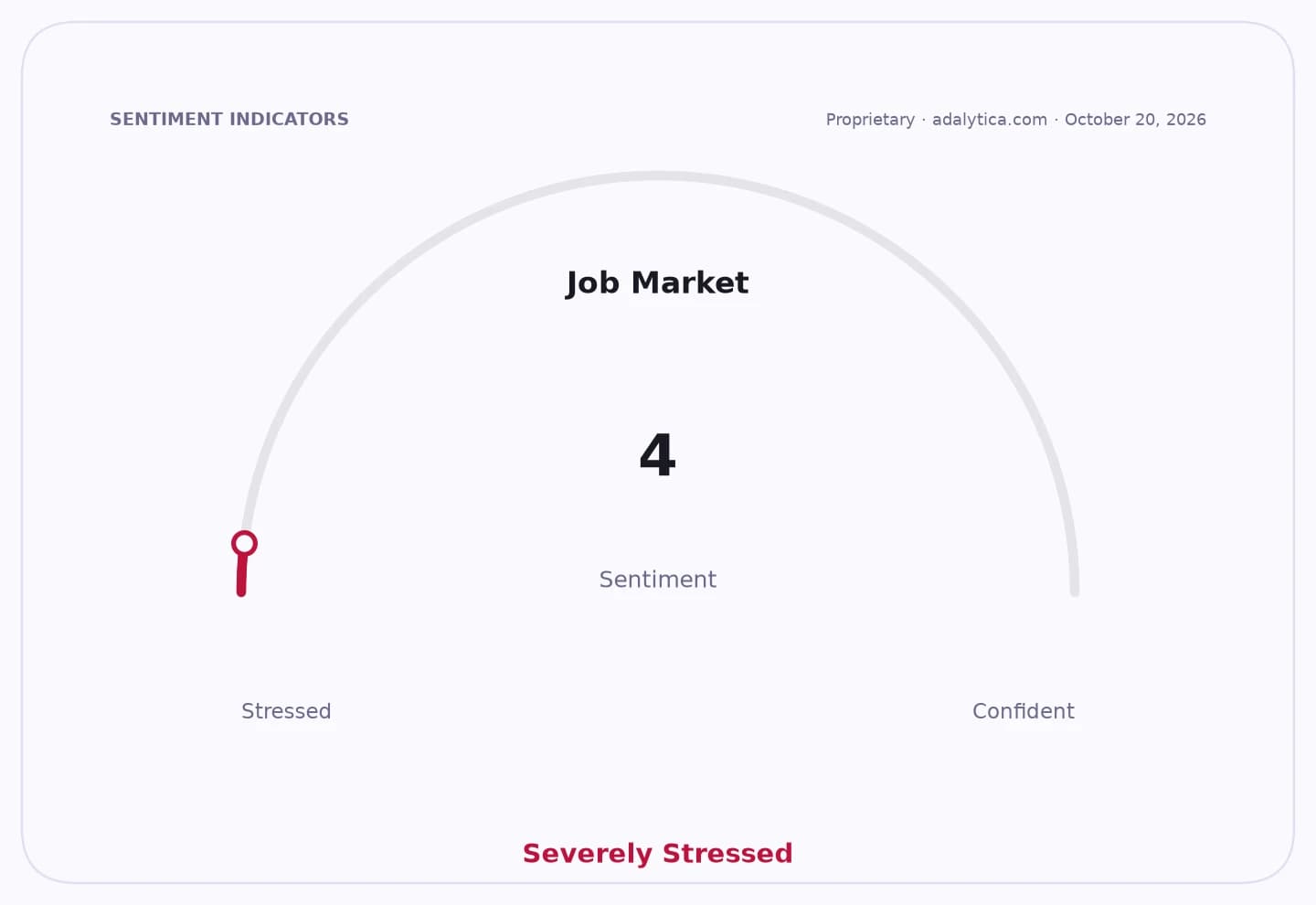
Sentiment IndicatorsⓘProprietary · adalytica.com · October 22, 2026
This is a snapshot — live sentiment, awareness and momentum for 130+ markets update continuously in the dashboard.Open AlphaPulse
That matters economically because unfinished transport links raise logistics costs, reduce mobility and keep local development bottled up. In a region where road access is critical for small businesses, commuters and emergency services, a stalled bypass is more than a local nuisance: it is a drag on productivity and a symbol of how public works can miss their economic purpose when planning, terrain and execution are misaligned.
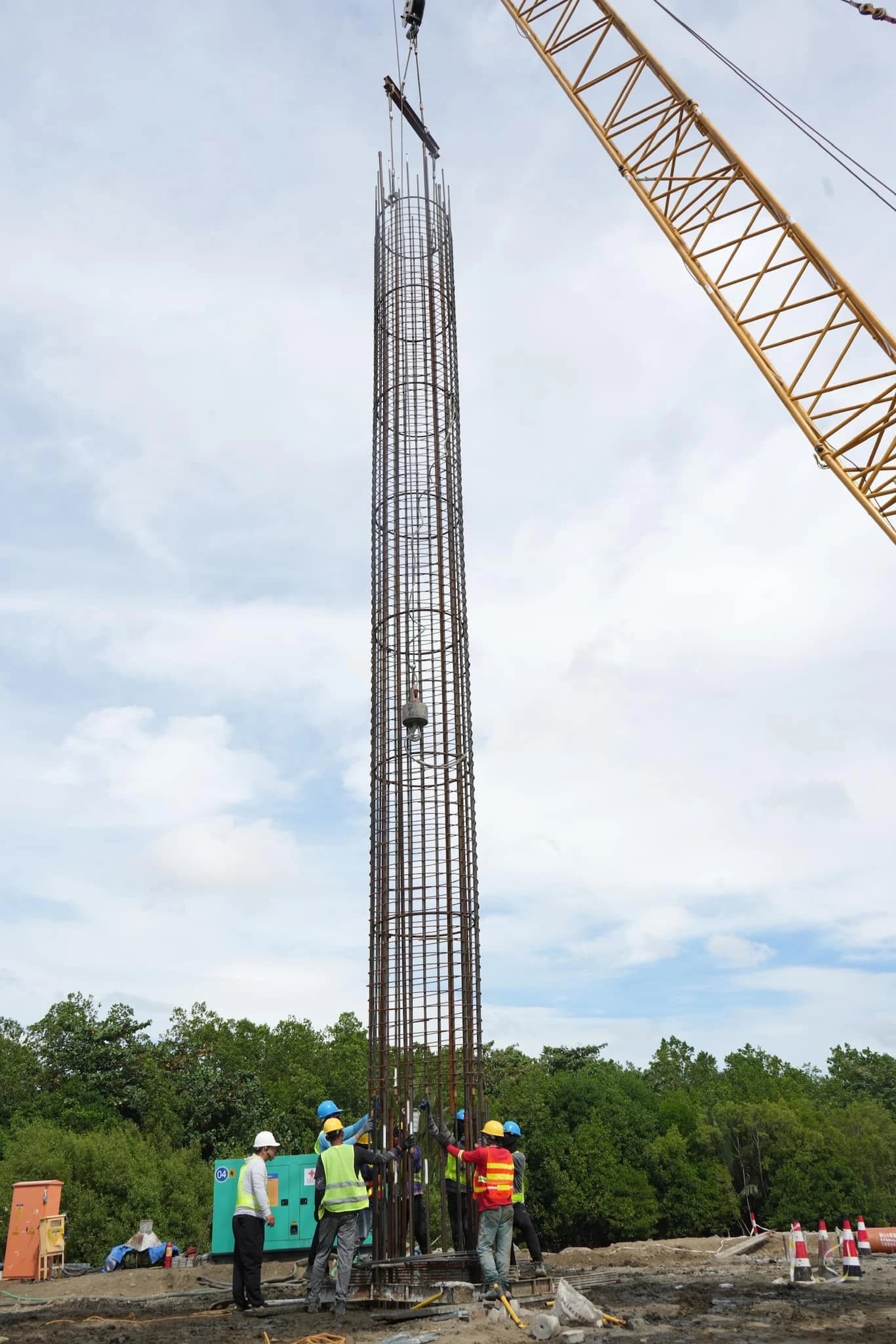
The latest attempt to break the deadlock came in 2019 with a consolidation plan featuring 12-meter foundation piles, retaining walls, nets and slope reinforcement. The money, however, sat idle for years before the Calabria region took control to prevent the funds from lapsing. Officials now say geotechnical studies required by the basin authority have been completed, with one final technical review due in November before an executive project can be drafted.
For investors, the story is less about a single road than about the execution risk embedded in Italy’s infrastructure pipeline. It underscores why public works in high-risk terrain can take years longer than planned, why budgeted money does not always translate into revenue-generating activity, and why contractors and suppliers tied to local civil works face lumpy timing even when funding exists.
The project’s next checkpoint is the November technical review. Until then, Vibo’s eastern ring road remains a case study in how landslides, a fault line and red tape can keep a strategic asset from becoming one.
| Entity | Gains | Losses |
|---|---|---|
| Vibo Valentia residents | ▲Less traffic if completed | ▼More delays and congestion |
| Calabria region | ▲Chance to unlock funding | ▼Political pressure over delays |
| Contractors and engineers | ▲Potential new work | ▼Uncertain timing |
| Local economy | ▲Better logistics and access | ▼Lost productivity from unfinished road |