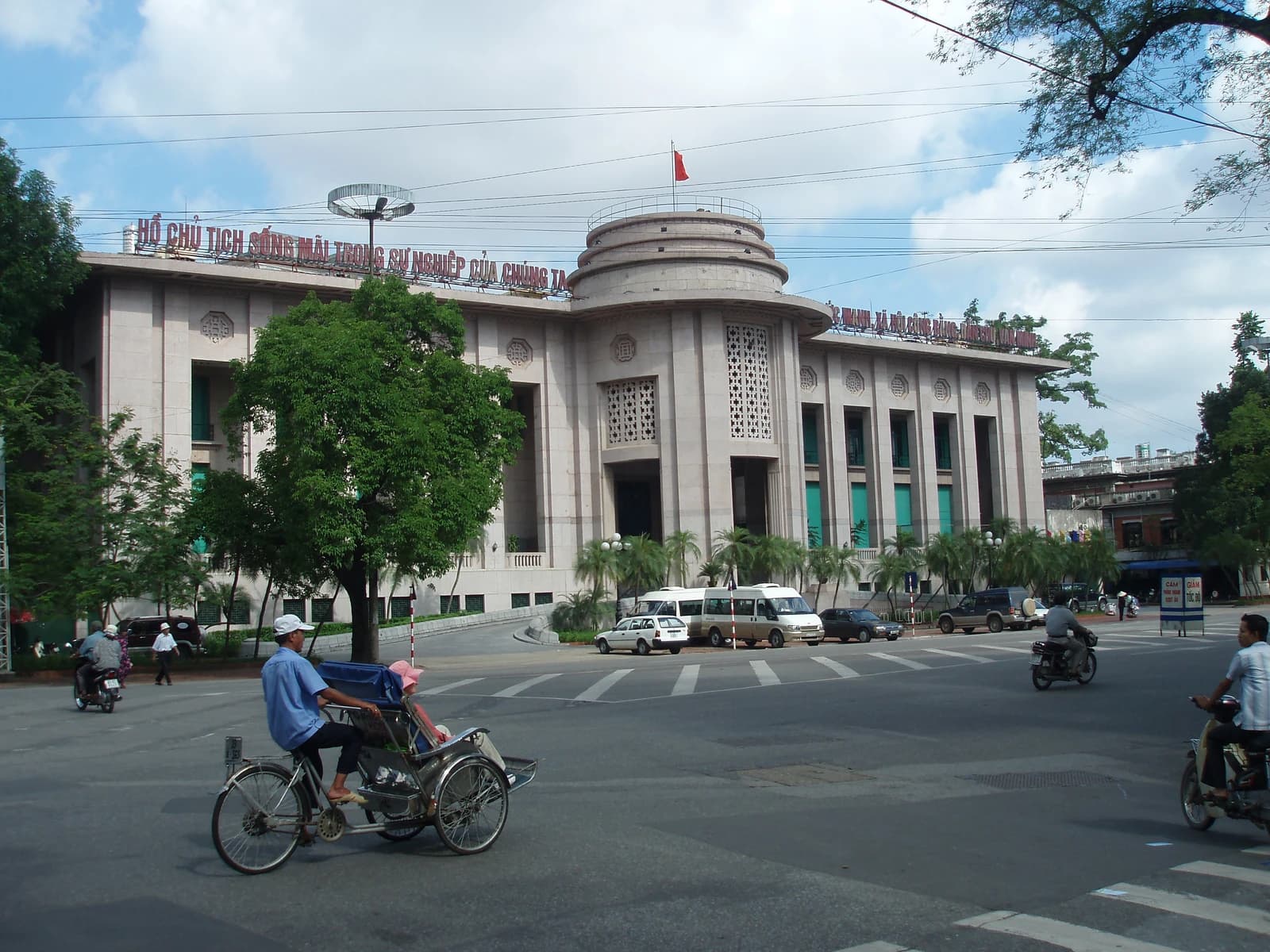
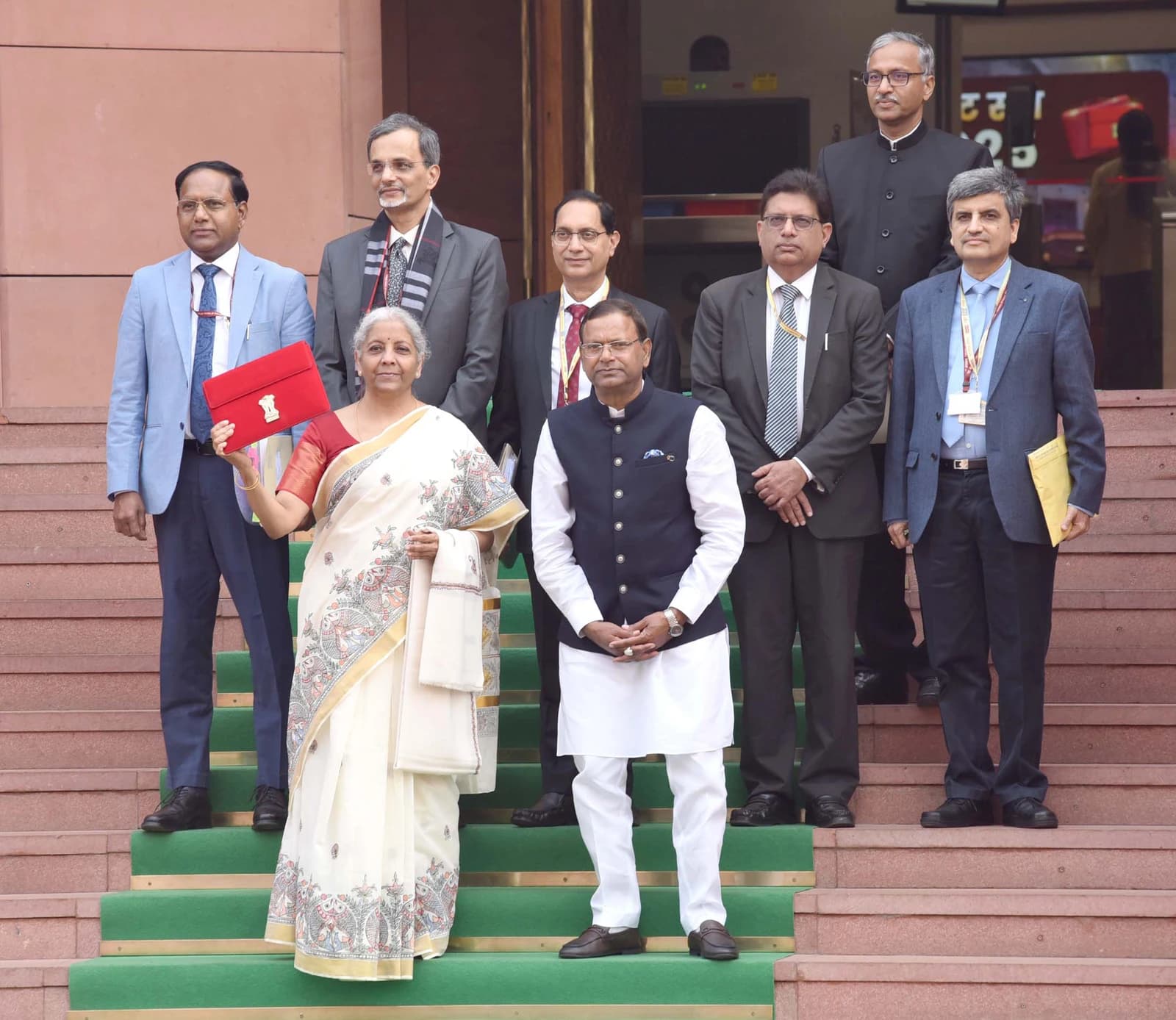
Vietnam is betting on another year of aggressive expansion in 2027, backing a 10% growth target with a 4.07 quadrillion dong state budget and a 2.06 quadrillion dong allocation for regular spending, including salary reform.
Vietnam 2027 budget backs growth, wages, and infrastructure
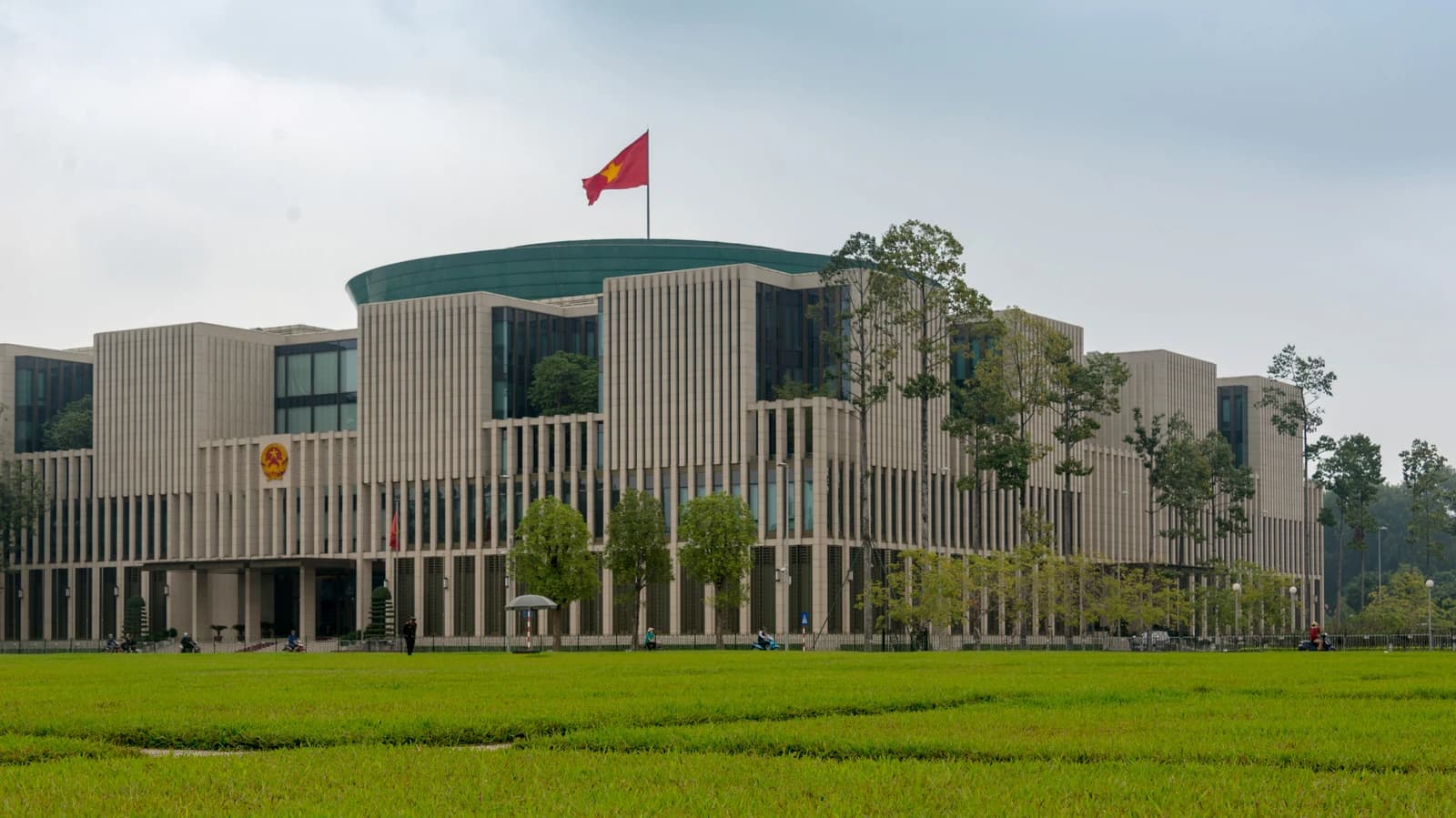
That matters because the plan signals Hanoi is not easing off fiscal support even after a strong 2026 run. Authorities said nine-month GDP grew 9.01%, tax revenue is running ahead of plan and public debt remains comfortably below legal limits, giving policymakers room to keep spending on wages, infrastructure and social programs while pushing for faster growth.
Sentiment IndicatorsⓘProprietary · adalytica.com · October 19, 2026
This is a snapshot — live sentiment, awareness and momentum for 130+ markets update continuously in the dashboard.Open AlphaPulse
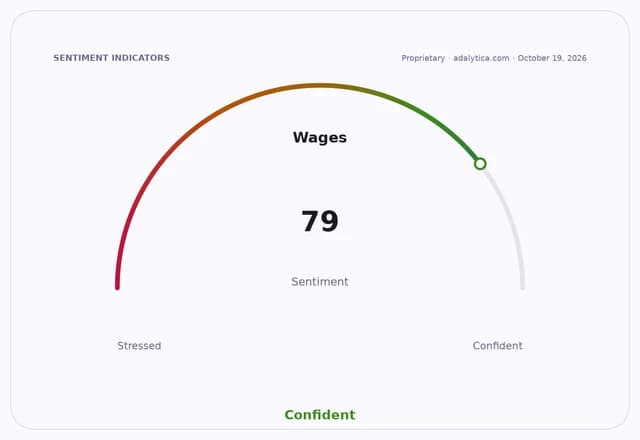
The scale of the budget also shows where the government wants the economy to accelerate. Nearly 43% of total spending will go to development investment, while regular spending — which includes pay reform — accounts for 50.6%. In other words, Vietnam is trying to do two things at once: keep the economy humming through state-led demand and make public-sector wages more sustainable as it reforms compensation.
For investors, that mix is important because it keeps the capex cycle alive. A bigger infrastructure pipeline should continue to benefit contractors, materials producers, logistics firms and lenders tied to project finance. The government said it completed another 395 kilometers of expressways, pushed ahead with metro lines in Hanoi and is advancing major rail and airport projects, including Long Thanh and Gia Binh. Those are the kinds of multi-year projects that can support earnings visibility for domestic industrial names and suppliers.
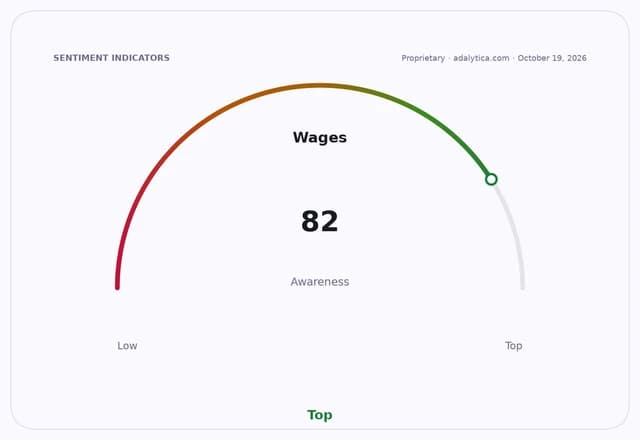
The wage reform component is just as meaningful, even if the market tends to overlook it. Higher public-sector pay can help improve labor retention and consumer purchasing power over time, but it also keeps pressure on inflation management. Vietnam is targeting CPI growth of about 4.5% in 2027, leaving little room for policy mistakes after inflation ran at 4.52% in the first nine months of 2026.
That is the real narrative here: Vietnam is using fiscal policy as a growth engine while trying to avoid overheating. The government wants 30 of 34 provinces growing at 10% or more, exports up 15% and social spending protected, all while keeping macro stability intact. If it works, the payoff is a stronger domestic demand cycle and a deeper investment story for equities tied to infrastructure, construction, banking and consumption.
The risk, of course, is execution. A bigger budget only translates into earnings if projects move quickly, borrowing stays contained and inflation remains under control. But with debt still low and the state signaling a willingness to spend early, the more interesting trade may be to position ahead of the second-order beneficiaries now rather than wait for the market to catch up.
| Entity | Gains | Losses |
|---|---|---|
| Infrastructure contractors | ▲More state projects | ▼Capacity constraints |
| Materials suppliers | ▲Higher construction demand | ▼Input-price volatility |
| Banks | ▲More project lending | ▼Credit risk if execution stalls |
| Consumers/public workers | ▲Higher wages and demand | ▼Inflation pressure |