Vietnam’s exchange rate is entering the final stretch of the year on firmer footing, with the dong expected to stay relatively stable as export receipts, foreign direct investment and a softer dollar help ease pressure on the market.
Vietnam dong steadies on FDI and trade surplus

That matters because a calmer currency reduces imported inflation, gives companies more certainty over input costs and lowers the risk premium on Vietnam’s growth story at a time when global capital remains selective. For investors, the message is that the central bank is still buying itself room to support activity without letting foreign-exchange volatility derail macro stability.
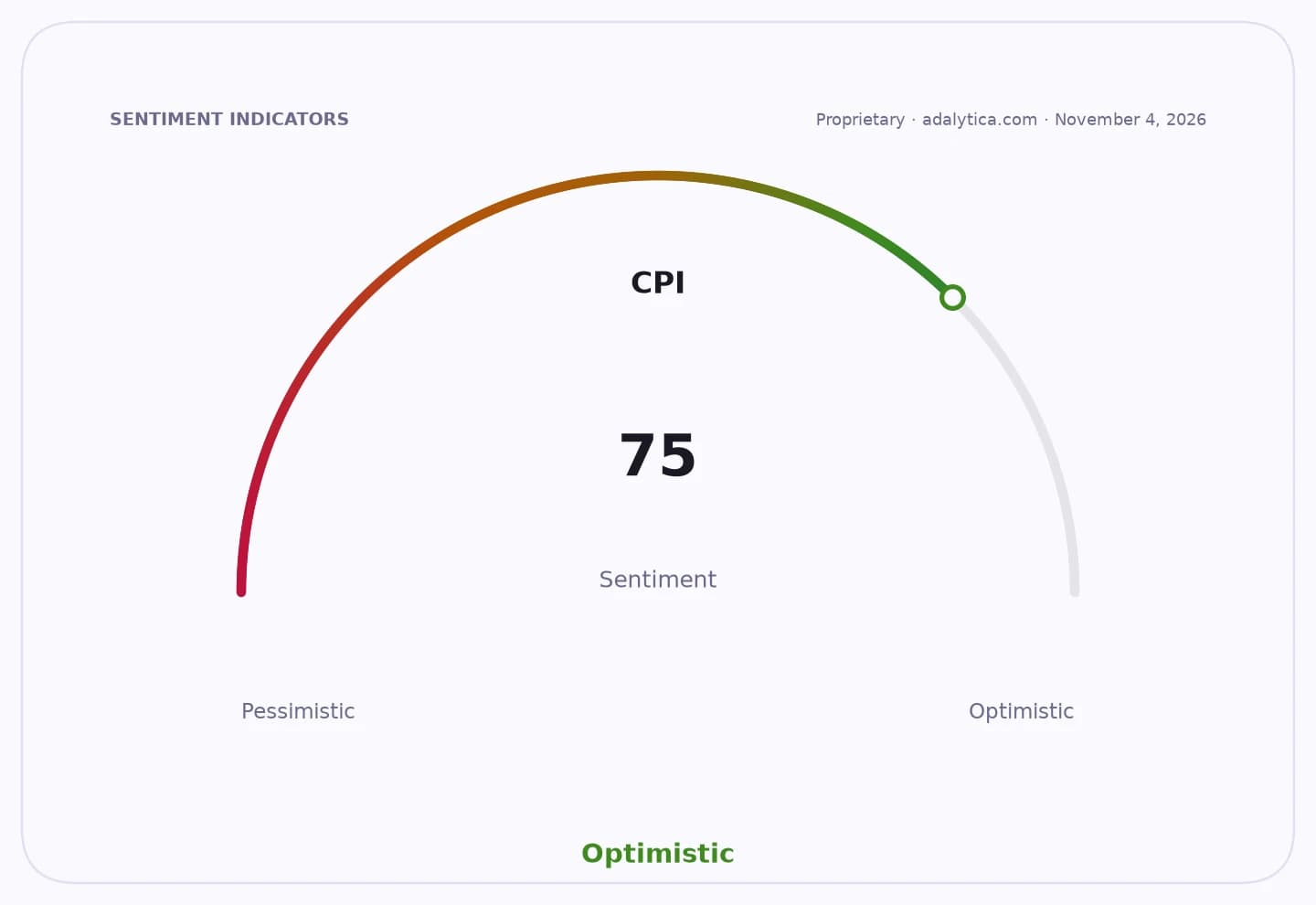
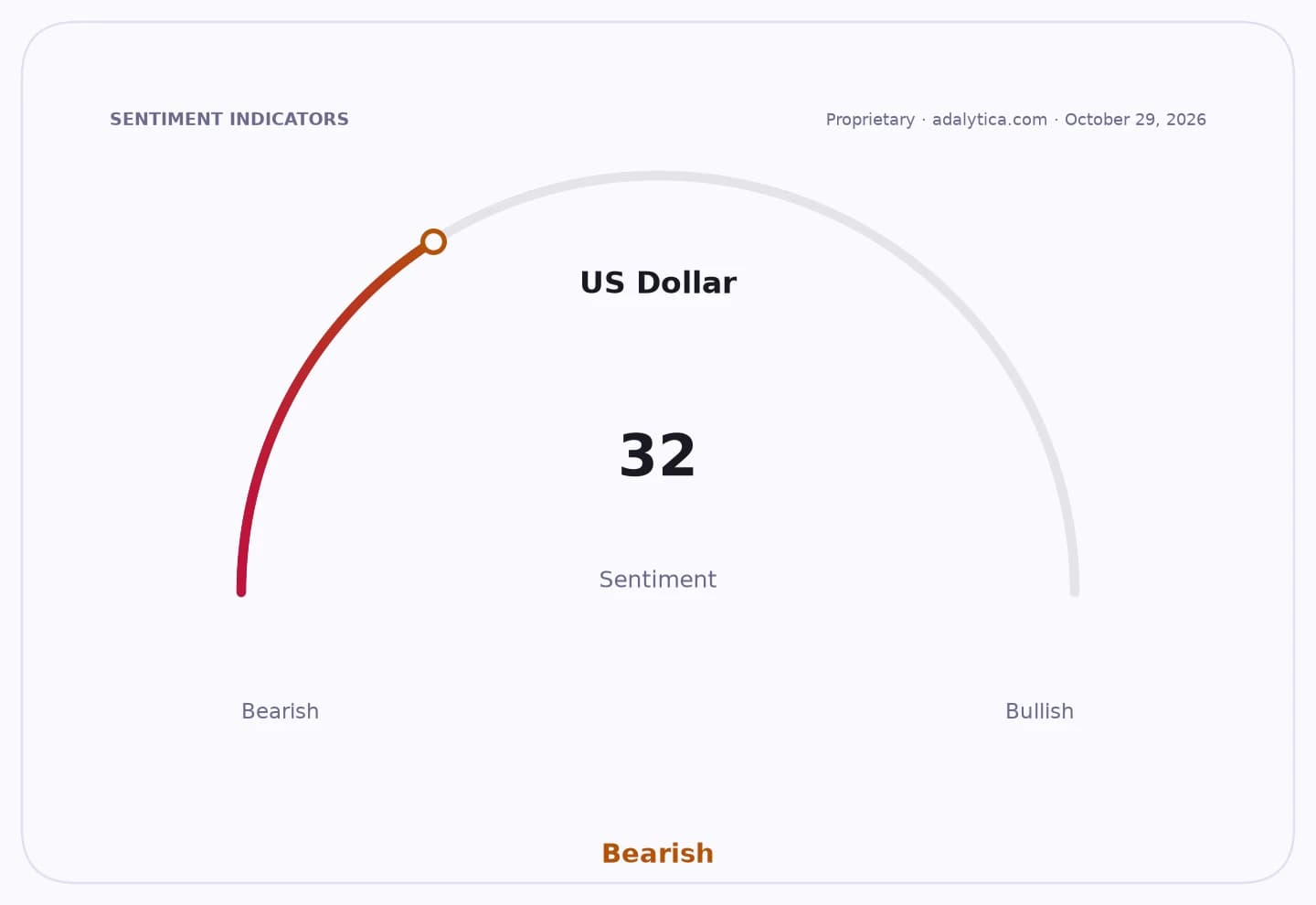
Sentiment Indicators

The State Bank of Vietnam said on Nov. 4 the central reference rate was 25,630 dong per dollar, down 1 dong from the previous session. Commercial banks also cut dollar quotes, with Vietcombank lowering all three rates by 20 dong and BIDV trimming as much as 35 dong. The easing comes after months of pressure in which the market had to absorb a volatile global dollar, higher oil prices and uneven capital flows.
The stronger supply backdrop is the key reason the market is stabilizing. Vietnam had 21.07 billion dollars in realized FDI in the first nine months of 2026, up 12.1% from a year earlier, while September posted a trade surplus of 1.27 billion dollars. Banks and companies have also continued raising foreign capital abroad, adding to dollar liquidity. That helps explain why banks have been able to lower rates even as year-end demand for imported goods and debt payments tends to pick up.
The central bank has also played a decisive role. Officials say the State Bank has been managing the currency flexibly, using interest rates and liquidity tools together to absorb external shocks and keep the FX market functioning smoothly. For an economy as open as Vietnam’s, that is not just a monetary issue; it is a direct line to inflation, corporate margins and consumer purchasing power.
The investment implication is straightforward: a stable dong is supportive for importers, manufacturers and domestic consumption names that are sensitive to currency-driven cost swings. It also improves visibility for companies with dollar liabilities and reduces the odds of a sudden tightening in financial conditions. On the other side, it tempers the urgency of any speculative dollar accumulation.
Still, this is stabilization, not immunity. Year-end import demand, a still-strong dollar, geopolitical risk and sticky oil prices could quickly test the market again, especially if the Federal Reserve keeps US rates elevated for longer. That is why the State Bank’s willingness to balance the exchange rate against interest-rate support will remain the crucial variable into December.
For investors, the thesis is that Vietnam’s macro setup is better than the market gives it credit for: foreign-currency inflows are improving, policy is active, and the currency is no longer in crisis mode. If those conditions hold, the dong should remain a tailwind for earnings stability and a quiet but important pillar of Vietnam’s year-end investment case.
| Entity | Gains | Losses |
|---|---|---|
| Vietnamese companies with dollar costs | ▲Lower input and debt pressure | ▼Less need for hedging |
| State Bank of Vietnam | ▲More policy room | ▼Less room for complacency |
| Exporters/FDI inflows | ▲More stable planning environment | ▼Stronger scrutiny on FX execution |
| Dollar bulls/speculators | ▲— | ▼Lower volatility opportunity |