Gold buyers in Vietnam are facing a harsh reality: the metal that many households treat as a safe haven has fallen sharply from its early-year peak, and anyone who bought near the top could now be staring at losses of more than 22 million dong per tael.
Vietnam Gold Prices Fall From January Peak
That matters because gold is not just a speculative trade in Vietnam. It is a store of wealth, a savings alternative and, for many families, a long-held hedge against currency weakness and inflation. When prices swing this violently, it changes behavior: buyers pause, sellers hesitate and the premium between bid and ask becomes as important as the metal itself.
Sentiment Indicators
On Nov. 7, SJC gold bars at major local dealers were still trading far below their levels from Jan. 7. At DOJI, the buy price was 138 million dong per tael and the sell price 141 million dong, down 18.6 million dong and 17.6 million dong respectively over 10 months. At Bao Tin Minh Chau, the buy price fell 20.1 million dong, the steepest drop in the group, while Phu Quy saw a 19.1 million dong decline on the buy side.
For investors, the bigger warning is not just the direction of prices but the spread. The gap between buying and selling prices is currently around 3 million to 4.5 million dong per tael, which means a retail buyer starts in the hole even before the market moves. That is why someone who bought SJC bars on Jan. 7 and sold today could lose 20.6 million dong at DOJI, 22.1 million dong at Bao Tin Minh Chau or 21.1 million dong at Phu Quy.
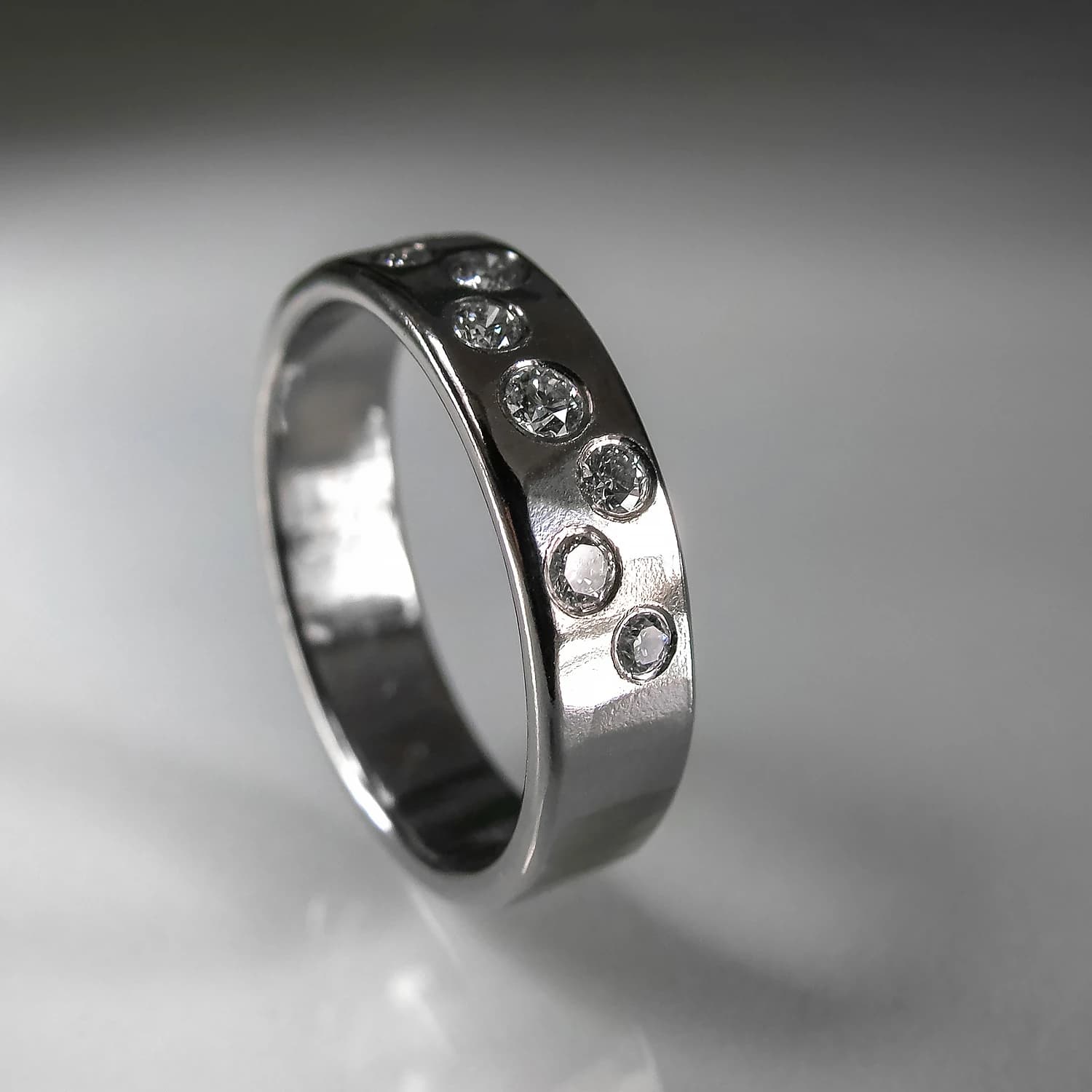
Gold rings, a popular retail product for Vietnamese savers, were hit even harder. At Bao Tin Minh Chau, a buyer could face a loss of as much as 22.3 million dong per tael if selling back at current bid prices, the worst outcome in the survey. DOJI and Phu Quy also showed double-digit losses running close to 20 million dong.
The domestic slide is tied to a broader retreat in the global market. International gold was quoted at $4,070.1 an ounce on Nov. 7, down $379.4 from Jan. 7, or about 8.5%. That decline reflects a market that is no longer assuming gold can keep climbing unchecked, especially as the U.S. dollar strengthens and the market prices in the possibility of tighter Federal Reserve policy.
That macro backdrop matters because gold’s appeal depends heavily on real rates, the dollar and risk appetite. When investors expect higher U.S. interest rates, a non-yielding asset like gold becomes less attractive. The recent moves in gold futures also show a market that remains volatile rather than building a stable uptrend, which is a bad setup for anyone trying to time a rebound.
For long-term investors, the lesson is straightforward: gold can still play a role in diversification, but it is not a one-way bet. Physical bullion purchased at a wide premium can be especially punishing if the trade turns against you. If you own gold for wealth preservation, position sizing and patience matter more than chasing momentum. If you are buying now, the best approach is to treat it as a hedge, not a quick profit trade.
The next move in gold will likely depend on U.S. monetary policy, the dollar and whether global investors continue rotating away from haven assets. For Vietnamese buyers, that means caution is warranted until the gap between retail prices and global sentiment narrows. In this market, the safest move may be to wait, watch and avoid FOMO.
| Entity | Gains | Losses |
|---|---|---|
| Cash buyers waiting on the sidelines | ▲Better entry points | ▼Missed near-term upside if gold rebounds |
| Recent SJC and ring buyers | ▲None | ▼Large mark-to-market losses |
| Retail sellers of gold | ▲Can lock in cash | ▼Deep losses versus early-2026 prices |
| Global gold bulls | ▲Potential long-term hedge value | ▼Near-term price pressure from higher rates and dollar strength |