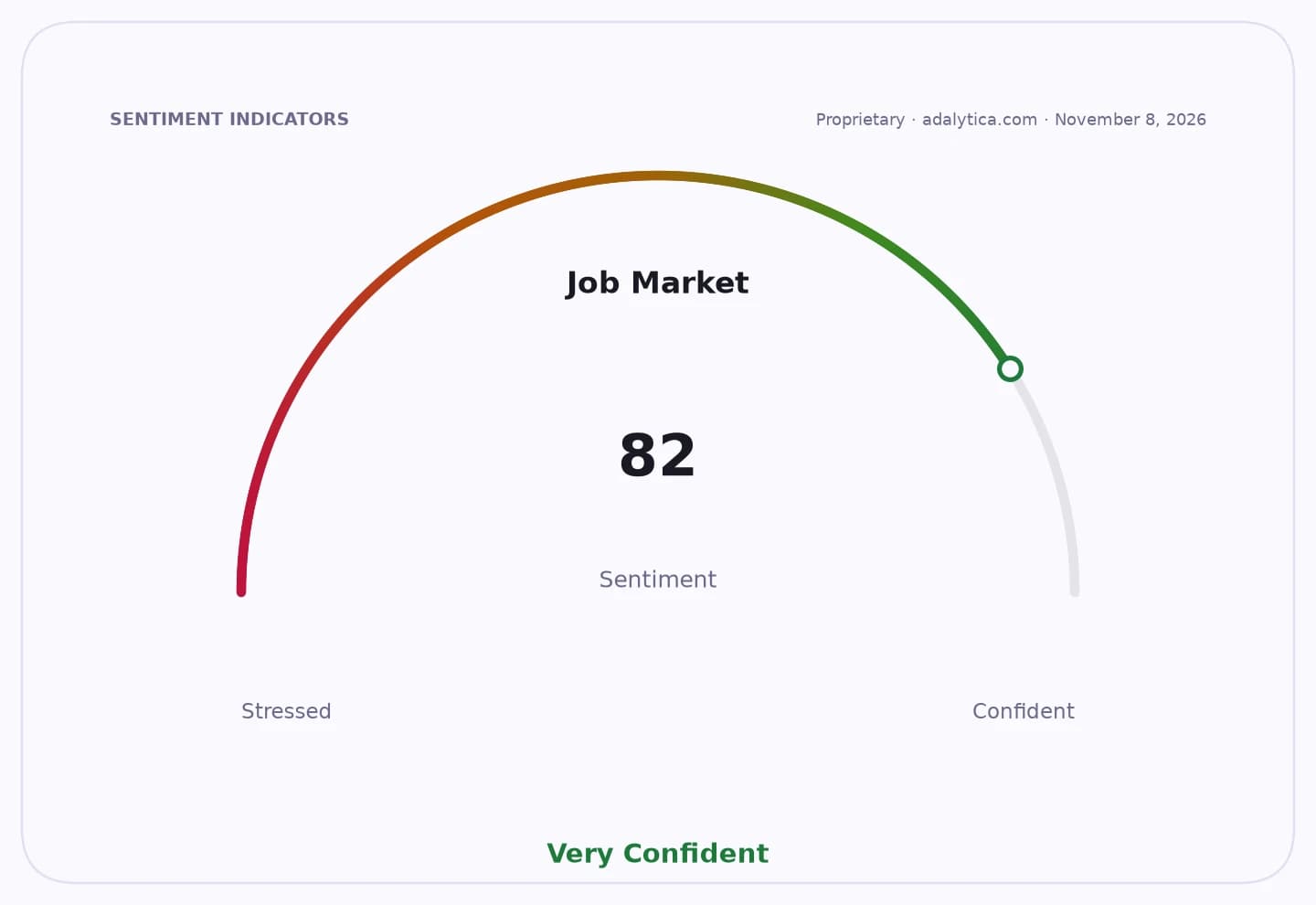
Vietnam’s year-end hiring surge is exposing a deeper labor mismatch: businesses are still adding jobs, but many cannot find the skilled workers they need even after raising pay and incentives.
Vietnam hiring surge exposes skilled labor shortage

That gap matters because it is now hitting the sectors most tied to the country’s near-term growth engine — construction, mechanics, transportation, logistics and services — at the exact moment when seasonal demand, infrastructure rollouts and export production typically peak. For investors, the story is not simply about more hiring. It is about rising wage pressure, slower project execution and a widening advantage for companies that can recruit, train and retain labor more efficiently than rivals.
Sentiment Indicators
Job Market
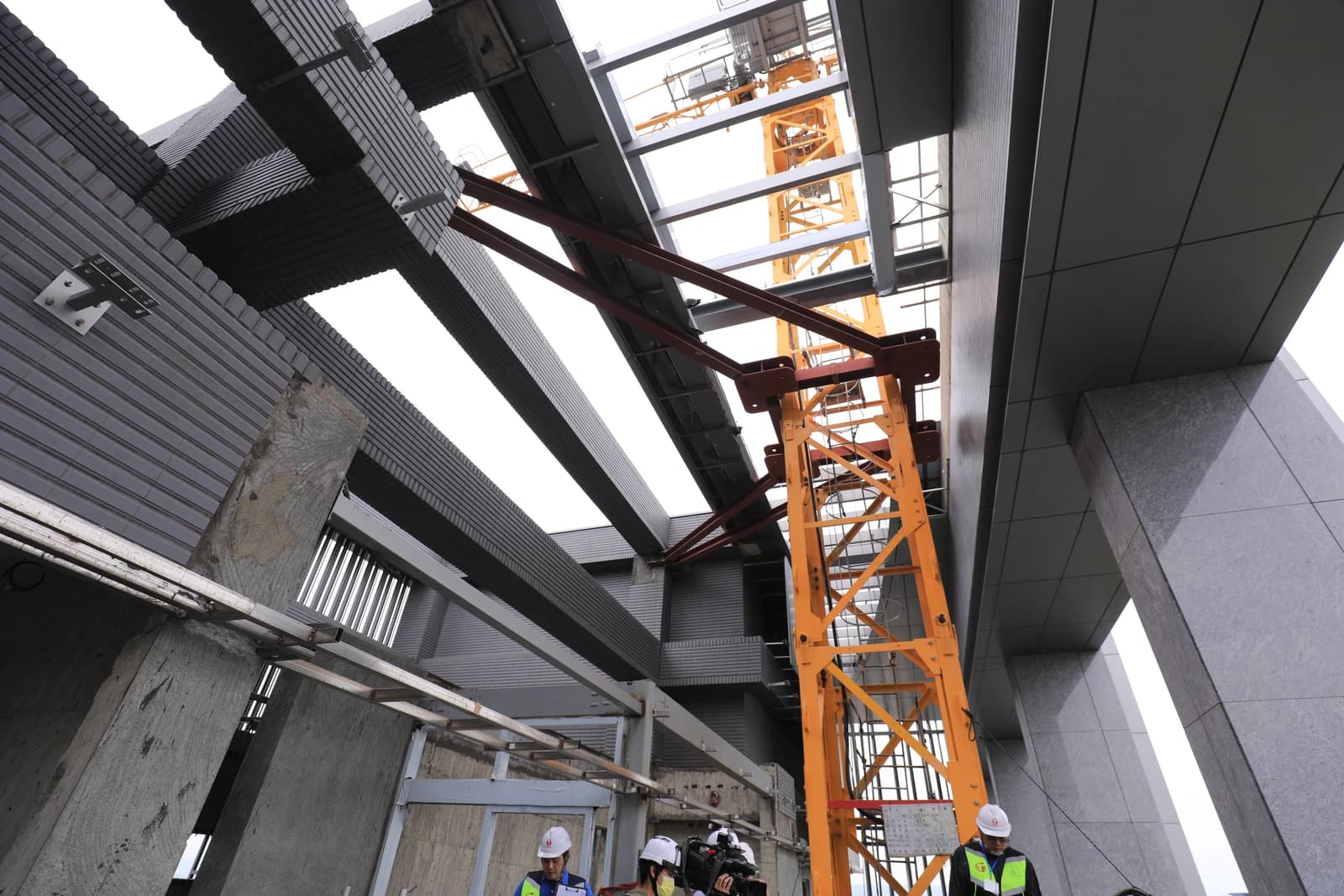
In Hanoi, the local job center says demand is rising across construction, trade, retail, logistics and consumer services in the fourth quarter, with employers offering 15 million to 35 million dong a month for engineers and supervisors and 10 million to 20 million dong for technicians and machine operators. Even so, companies say they remain selective and are prioritizing only the most essential roles. In Ho Chi Minh City, labor officials say 21 of 27 industry groups are short of workers, including manufacturing, construction and logistics, with employers in some cases filling only about 30% of the 5,000 workers they sought.
The problem is especially acute in mechanical engineering and industrial production. Kemet Metal Vietnam was looking for 30 CNC machine operators with salaries of 10 million to 15 million dong a month, along with health insurance and meal allowances, yet hired only about 10 people after extensive recruiting. Mekamic is seeking 30 to 35 engineers, CNC programmers, operators and quality-control staff, with pay ranging up to 20 million dong a month, but said hiring has been difficult for two years because competition for technical talent is intense and younger workers are not flocking to the trade.
That matters for the broader economy because labor shortages at the factory and project level can translate quickly into higher unit costs, slower delivery times and weaker margins. In construction, where demand is being pulled by infrastructure projects, the shortage can delay schedules and raise contractor costs. In logistics and services, it can limit the ability to handle year-end volumes and Tet-related demand. For consumer-facing firms, higher wages may protect hiring, but they also squeeze profitability if pricing power does not keep up.
The investment implication is that Vietnam’s labor market is no longer just a macro backdrop — it is becoming a competitive filter. Companies with automated production, stronger training pipelines, and better recruitment networks are better positioned to capture demand without burning margins. That creates an advantage for industrial employers that can substitute capital for scarce labor, as well as for staffing, training and workforce-solutions providers that can monetize the shortage.
There is also a second-order opportunity in the sectors that help firms work around the bottleneck. Logistics operators, industrial automation suppliers, vocational training providers and machinery makers should benefit if employers keep leaning on efficiency gains to offset labor scarcity. By contrast, labor-intensive builders, low-margin manufacturers and consumer-service operators with weak retention could face the most strain into early 2027.
The market is underestimating how persistent this mismatch can be. The official labor picture still shows unemployment near 4.1%, but the real constraint is skill quality, not headline joblessness. Until vocational pipelines catch up with demand, Vietnam’s year-end hiring boom is likely to keep lifting wages faster than productivity in the very sectors driving the country’s growth.
| Entity | Gains | Losses |
|---|---|---|
| Skilled workers | ▲Higher pay and benefits | ▼Scarcity remains intense |
| Employers with training/automation | ▲Better hiring leverage | ▼Higher upfront investment |
| Construction, logistics, services recruiters | ▲Seasonal demand support | ▼Delays and wage pressure |
| Low-margin labor-intensive firms | ▲— | ▼Margin compression and project slippage |