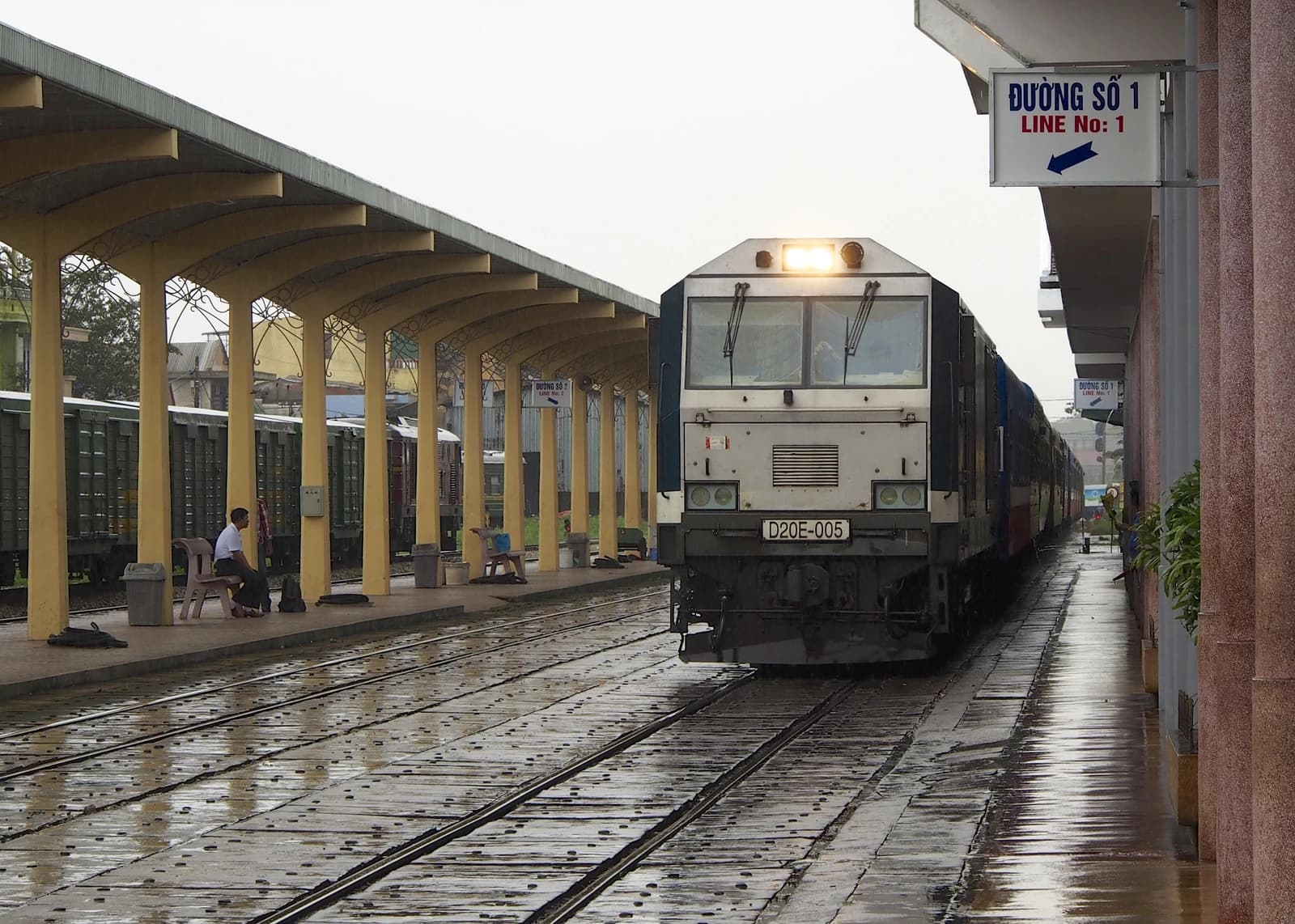
Vietnam’s flagship Lao Cai-Hanoi-Hai Phong railway is still being held back by slow land clearance and weak budget disbursement, underscoring how the country’s biggest strategic transport project remains vulnerable to execution risk despite special regulatory treatment.
Vietnam Lao Cai-Hanoi-Hai Phong rail delayed by land clearance
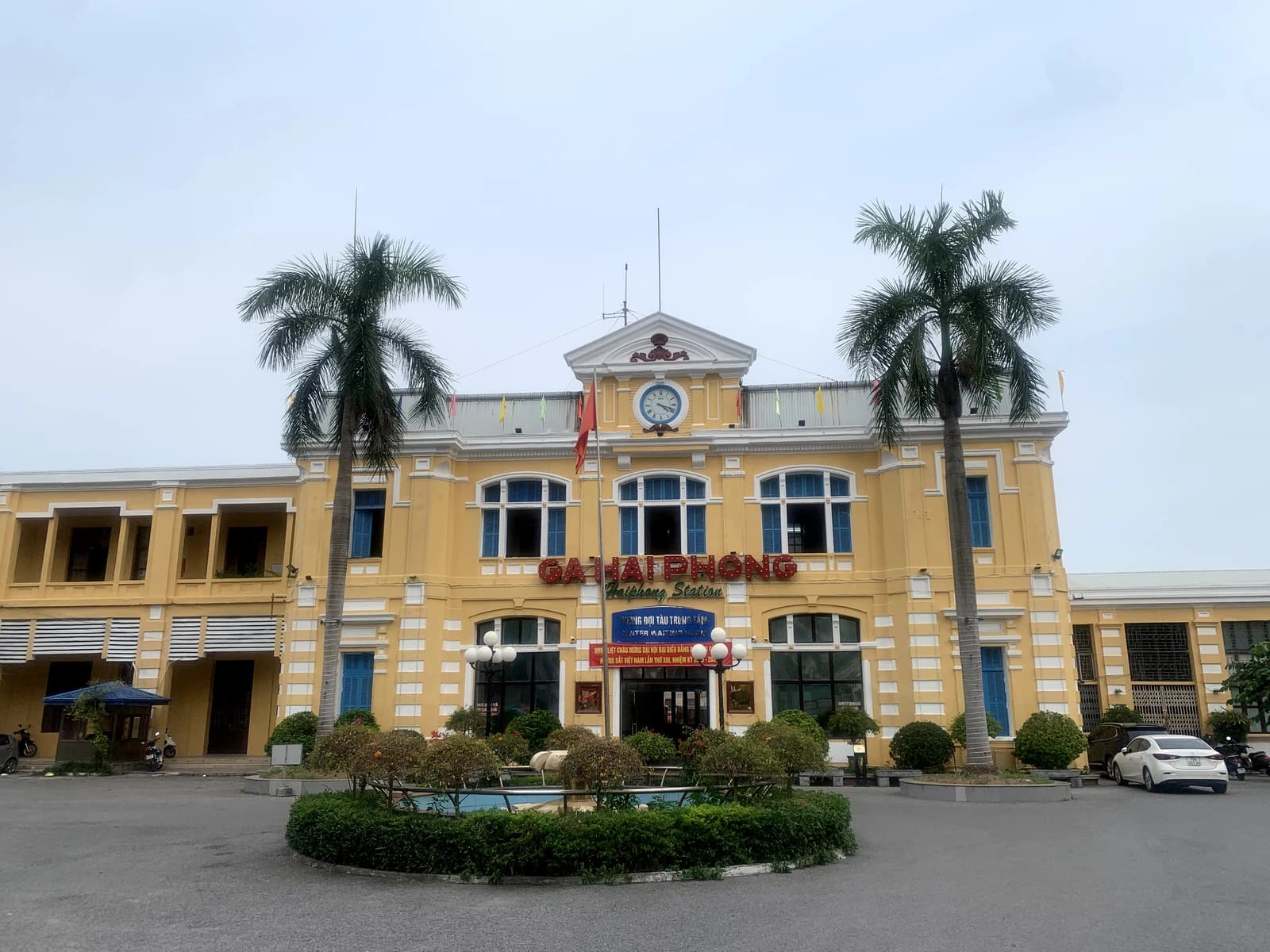
The project is economically important well beyond the rail sector. By linking the northwest economic corridor to Hai Phong’s international port and extending cross-border connectivity with China, the line is meant to cut logistics costs, deepen trade integration and support industrial development across northern Vietnam. Delays in securing land and spending allocated capital threaten to push back those gains and raise the risk that costs rise before construction even accelerates.
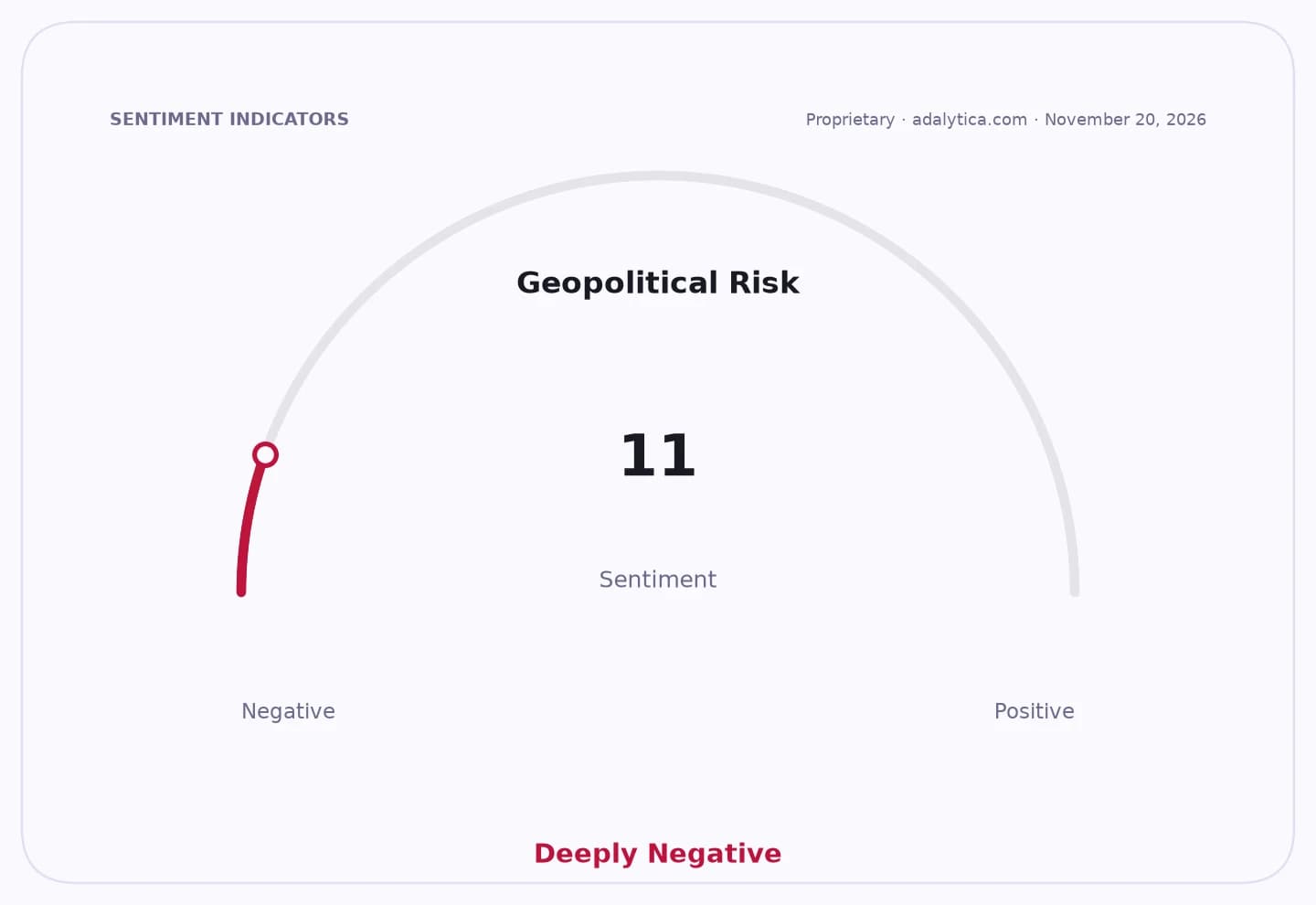
Sentiment Indicators
According to the Ministry of Construction, the project requires about 2,529.58 hectares of land across six provinces and cities, but only 515.01 hectares, or 20.36%, have been recovered and just 131 hectares, or 5.18%, handed over. Progress is highly uneven. Hung Yen has essentially finished land acquisition, while Hai Phong has recovered 83.91% of required land but handed over only 3.67%. Lao Cai, Hanoi and Phu Tho remain far behind, leaving bottlenecks in some of the most important segments of the route.
The financing picture is nearly as problematic. Of 13.847 trillion dong allocated in 2026 for land clearance, only about 1.999 trillion dong, or 14.4%, had been disbursed by the end of October, with officials warning that roughly 7.883 trillion dong may remain unspent this year. For a state-led infrastructure project, that matters because delayed disbursement can slow contractor mobilization, postpone design work and complicate the sequencing of resettlement and technical relocation. In a project of this scale, time is not just schedule risk; it is cost risk.
That is why the ministry is pressing local authorities to finish clearing agricultural, forestry and public land by Dec. 31, 2026, and to complete clearance for residential land, resettlement zones and utility relocation by June 30, 2027. It also wants the railway project management board to speed up selection of technical design consultants and define land requirements for ancillary works such as crossings, access roads, dumping sites and material quarries. Those details may sound procedural, but they often determine whether a megaproject can move from planning to physical construction without further delay.
The broader investment case for Vietnam’s infrastructure push depends on execution. Hanoi has already given the project special mechanisms, signaling political priority, yet land acquisition remains the classic constraint on large public works in the country. If the government can force through faster clearance and spending, the railway could become a key pillar of northern industrial supply chains and cross-border trade with China. If not, investors should expect a longer buildout, higher upfront costs and more pressure on the public investment program.
The near-term catalysts are straightforward: better disbursement in the final months of 2026, faster handover in the lagging provinces and cleaner coordination on resettlement and materials supply. Until those improve, the project remains strategically important but operationally unfinished.
| Entity | Gains | Losses |
|---|---|---|
| Vietnam government | ▲Strategic connectivity | ▼Execution credibility |
| Northern provinces with cleared land | ▲Faster project start | ▼Less leverage over timing |
| Contractors and suppliers | ▲Future construction pipeline | ▼Near-term delays |
| Logistics exporters and importers | ▲Lower transport costs later | ▼Prolonged freight bottlenecks |