Vietnam’s rail industry is moving from planning to ecosystem-building, with Rail&Cons Industry Week 2026 set to bring together local and foreign technology suppliers as the country accelerates high-speed and urban rail projects that will require far more than tracks and trains.
Vietnam Rail Industry Builds Local Supply Chain
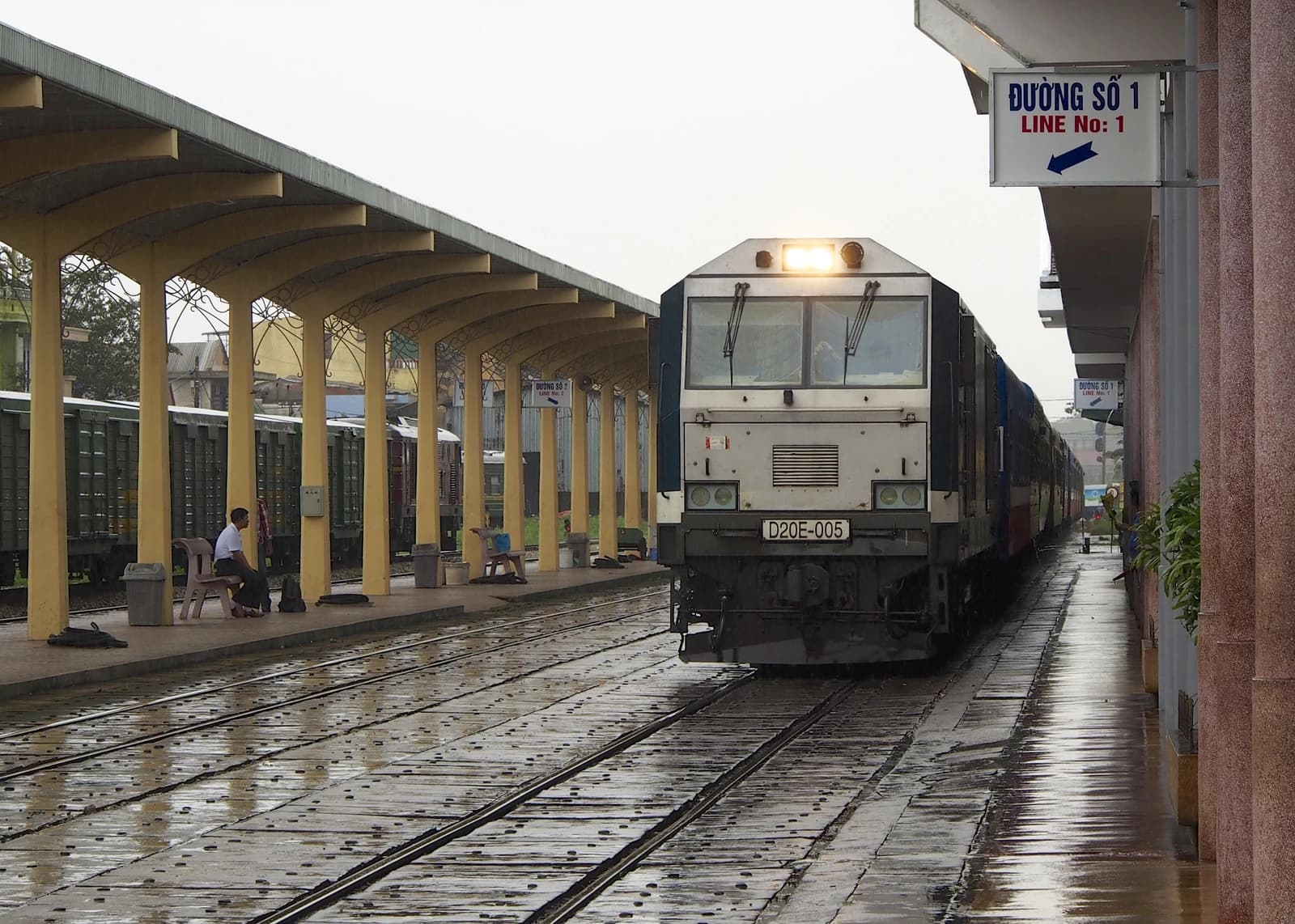
The event, backed by the Vietnam Construction Engineers Association, the Vietnam Chamber of Commerce and Industry and Hanoi authorities, is scheduled for Nov. 11-13, 2026 at the Vietnam Exposition Center in Hanoi. Organizers say the goal is to connect regulators, investors, contractors, manufacturers, researchers and technology firms around the practical needs of metro and high-speed rail.
Sentiment Indicators
That matters because Vietnam is trying to develop rail at the same time the global industry is shifting into what organizers call “3.0” — a phase where rail is judged not just by speed, but by its role in economic development, sustainability and urban connectivity. Hanoi is pushing ahead with planning for five major urban rail lines, while broader national projects, including the North-South high-speed railway, are also moving forward.
For investors and industrial companies, the bigger story is localization. Vietnam wants domestic capacity in signals, telecommunications, AI, digital twins, data systems and BIM, not just imported rolling stock or civil works. That creates a potential pipeline for contractors, equipment makers and technology vendors from China, Germany, France and other rail markets, while also opening the door for Vietnamese manufacturers to capture parts of the value chain.
Hòa Phát’s rail subsidiary says it has built a large-scale plant and is currently the only company in Southeast Asia able to produce rails for both metro and high-speed rail, underscoring how early Vietnam still is in building a full industrial base. But rails alone are only one component; the market still needs locomotives, mechanical systems, signaling, communications and operating software.
The event’s innovation challenge and applied-science sessions point to a broader policy goal: turning research into deployable products and linking universities with industrial customers. If Vietnam can convert that effort into procurement and local sourcing, the rail buildout could become a long-cycle demand story for infrastructure, engineering and advanced manufacturing.
The next catalysts are Hanoi’s planning deadlines, the progress of the urban rail lines and whether foreign suppliers and domestic firms can translate the forum into contracts, partnerships and actual production capacity.
| Entity | Gains | Losses |
|---|---|---|
| Vietnamese contractors and manufacturers | ▲More rail procurement opportunities | ▼Pressure to meet technical standards |
| Foreign rail tech suppliers | ▲Access to a new market | ▼Lower-margin competition for local content |
| Hanoi and Vietnam planners | ▲Faster ecosystem coordination | ▼Risk of slower implementation if plans slip |
| Import-dependent suppliers | ▲Near-term project demand | ▼Domestic localization push |