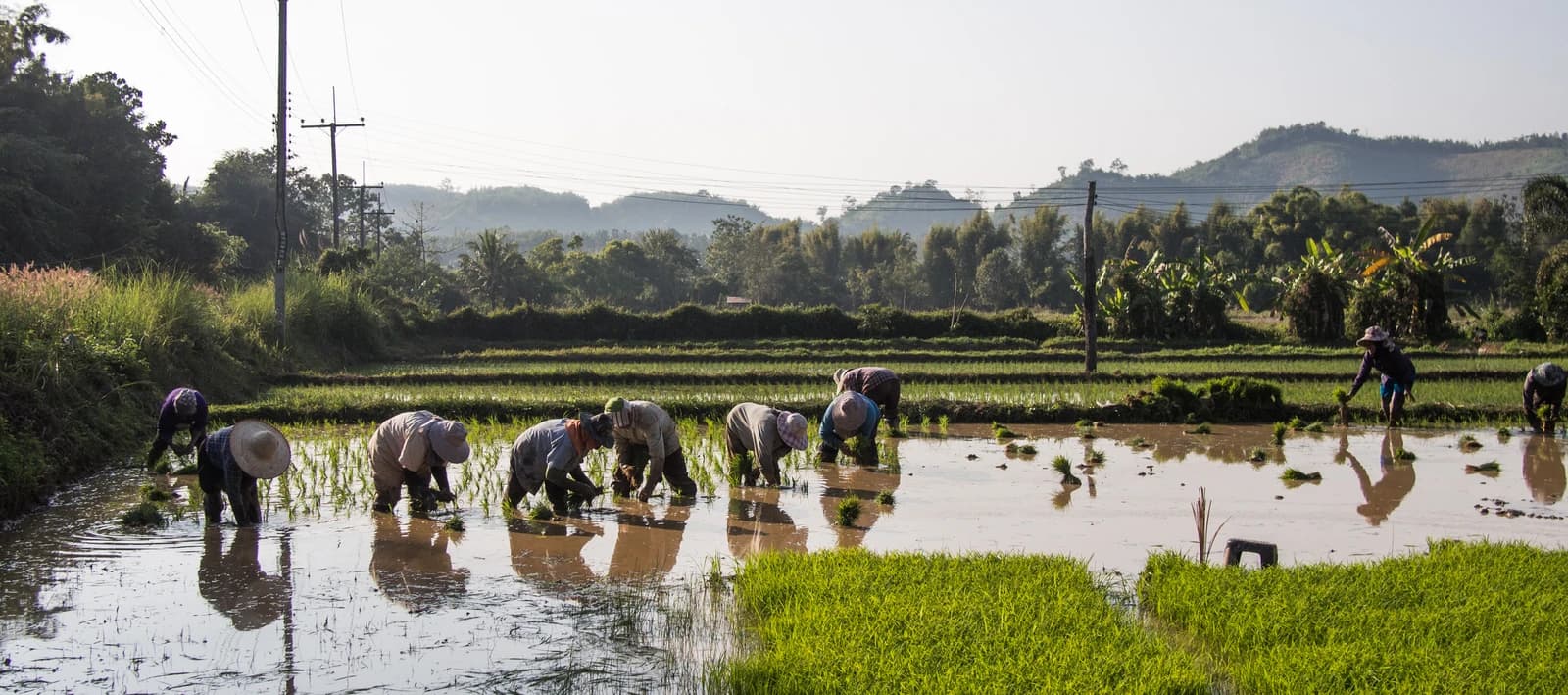
Rice trading in Vietnam’s Mekong Delta remained sluggish on November 22, underscoring that the main driver for prices is no longer just supply, but whether mills, traders and exporters are willing to buy.
Vietnam Mekong Delta Rice Prices Stay Sluggish
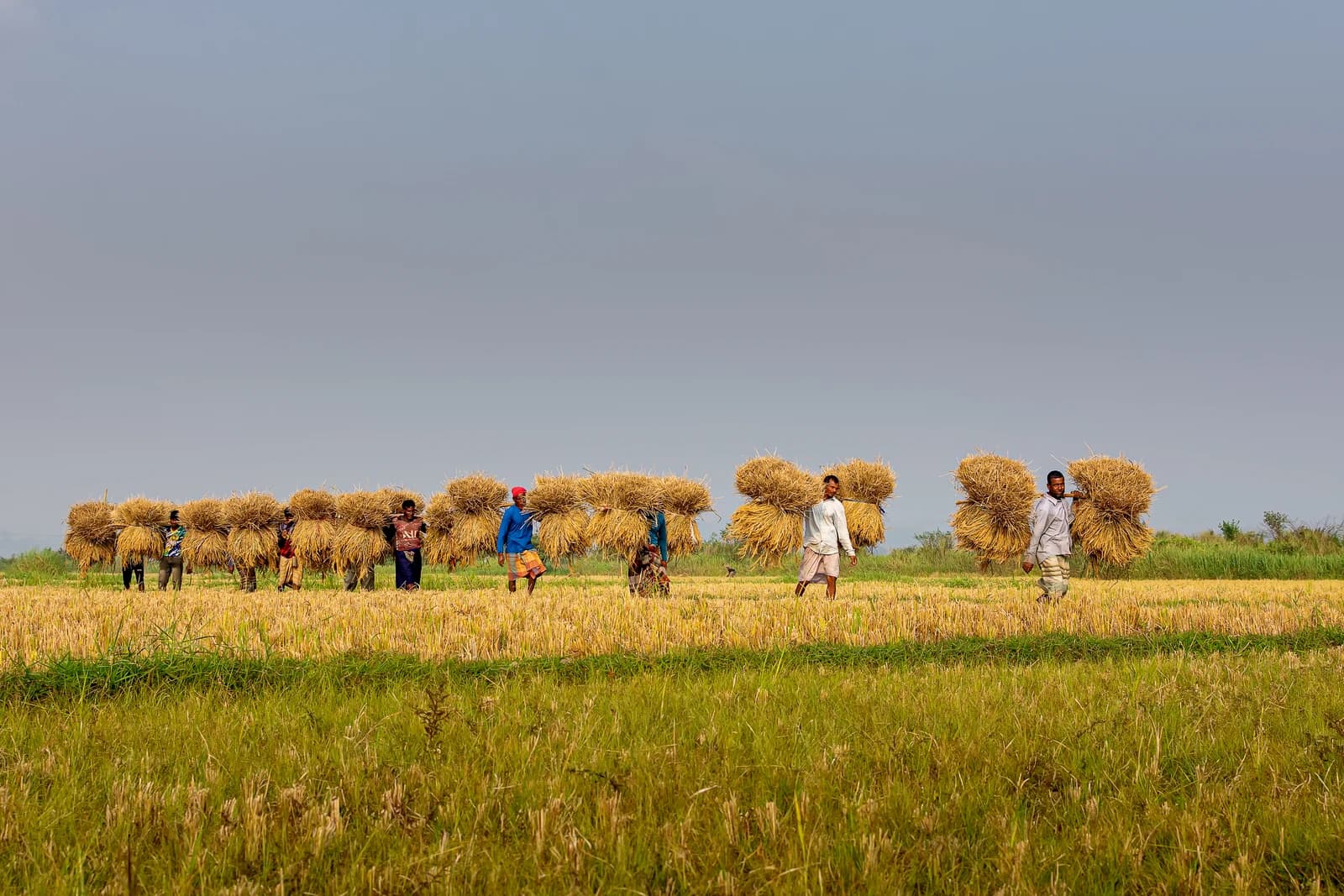
That matters economically because rice is moving through a finely balanced chain: farm-gate prices, raw rice costs, retail shelves and export quotations are all responding differently. When buying interest is weak, price gains at one end of the chain do not readily pass through the rest of the market, limiting the ability of farmers to secure better margins and restraining any broader rebound in domestic prices.
The reference table used for the morning of Nov. 21 showed IR504 raw rice at 9,400-9,500 dong per kilogram, while fresh paddy transactions in several provinces were described as slow. In Dong Thap, buying and selling were only moving at a cautious pace, with low activity also reported in An Giang, Can Tho, Tay Ninh, Vinh Long and Ca Mau. That pattern points to a market where price discovery is being driven less by panic or shortage than by hesitation on the demand side.
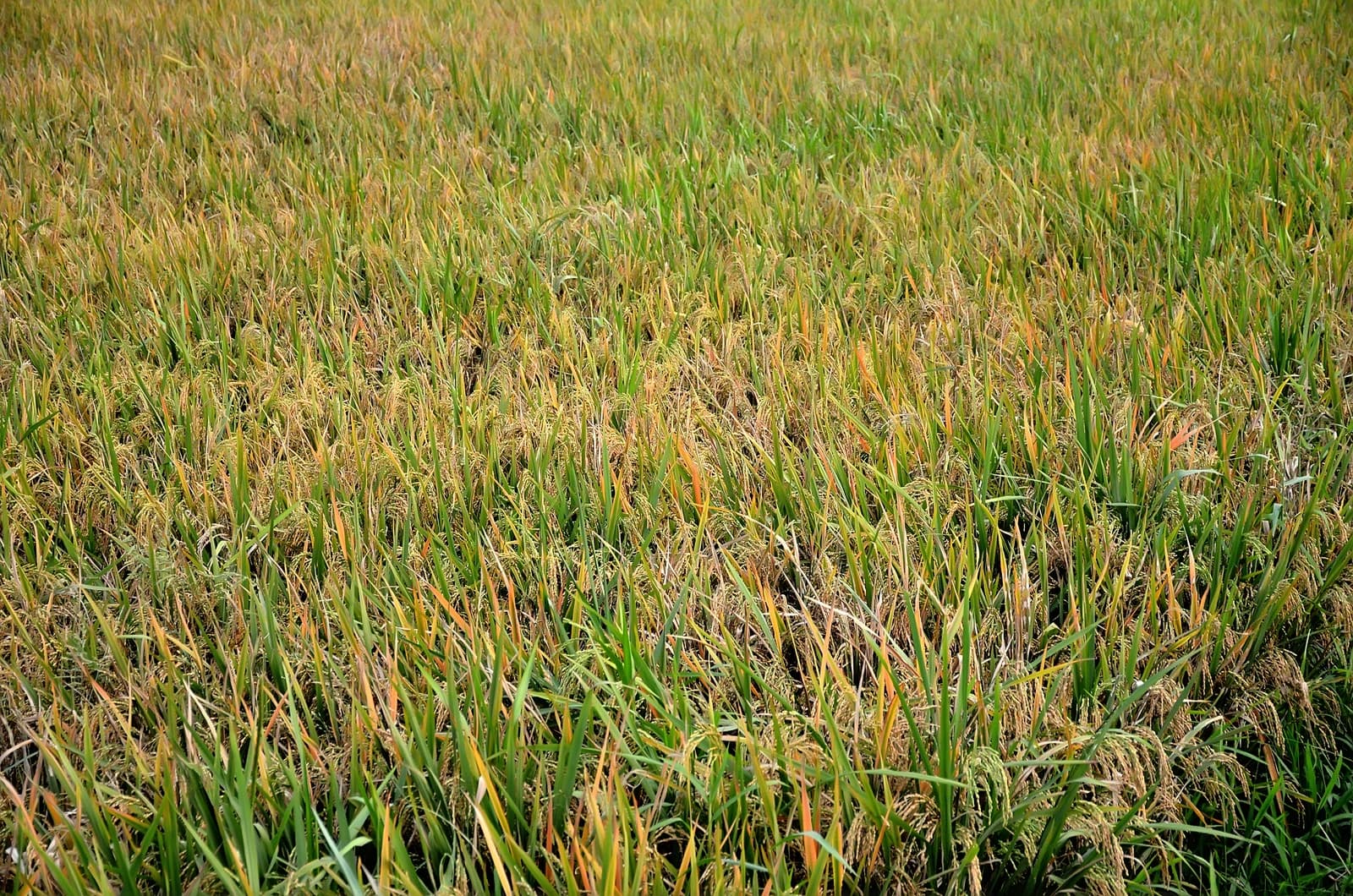
The spread across varieties also highlights a market that is fragmenting by quality and location rather than moving in one direction. In the fresh paddy data, DS1 carried the highest price, while OM34 was the lowest, with a gap of 1,300 dong per kilogram. The raw rice side showed OM5451 holding above other listed varieties, suggesting buyers are still paying for specific grades even as overall turnover stays thin. The retail rice line for Dai Thom 8 had risen 500 dong per kilogram in the Nov. 21 reference set, but that increase was tied to the prior day and does not yet imply a broader acceleration.
For investors and market participants, the significance lies in what weak purchasing power can mean for margins and price transmission. If warehouses and businesses do not step up procurement, rice values are likely to remain uneven, with stronger grades holding up better than lower-quality lots. That would pressure farmers with weaker bargaining power while limiting upside for traders who need volume to justify higher bids.
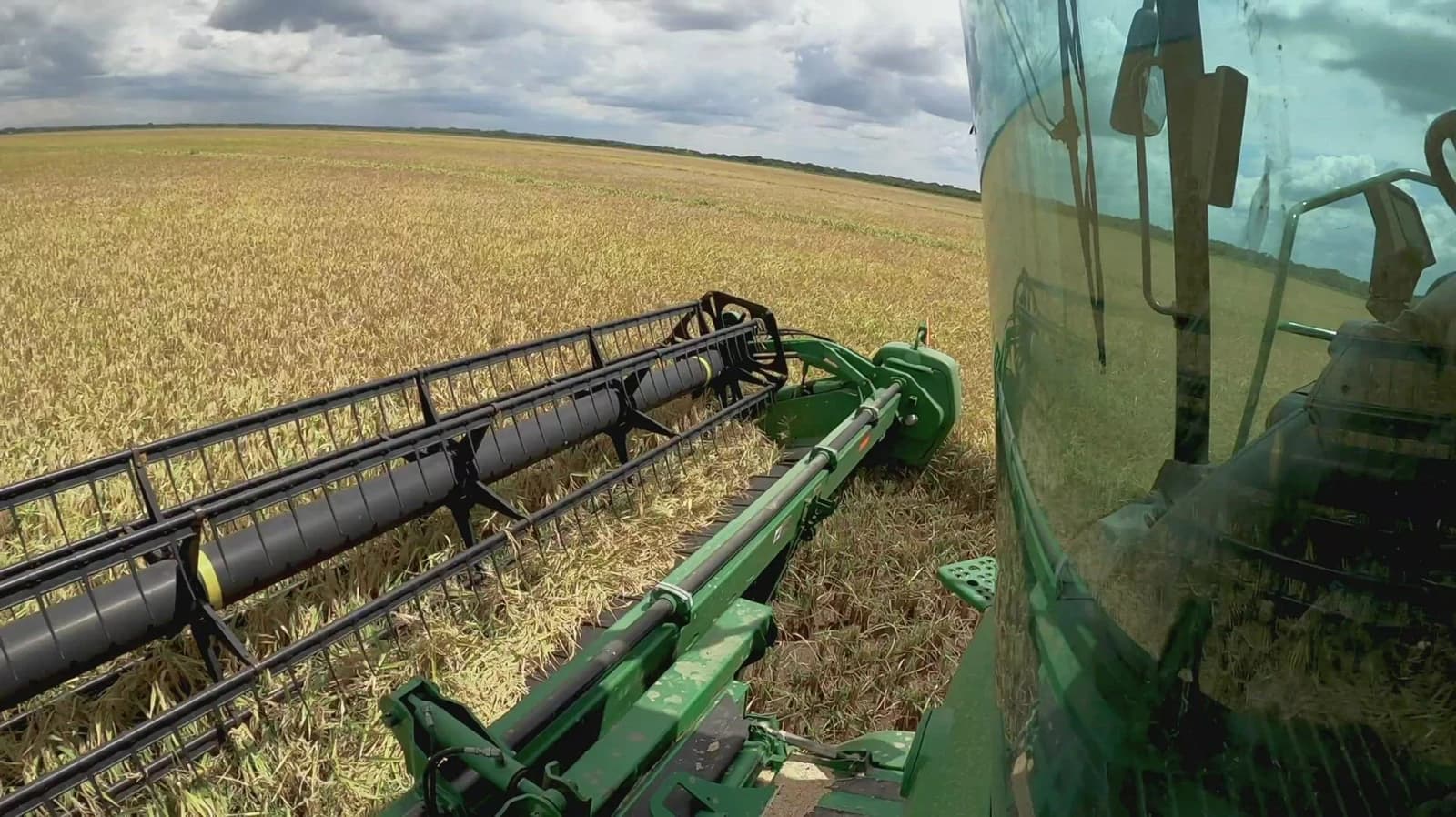
The supply side remains the main risk to that view. If harvest arrivals increase faster than buyers absorb them, negotiations could shift further in favor of purchasers and put additional pressure on farm-gate prices. But the available data do not yet show enough evidence of a broad jump in regional supply, meaning the market’s next move will likely hinge on whether demand improves rather than on a single decisive harvest shock.
The broader backdrop remains one of volatility across Asian rice markets, with export prices and regional policy still capable of changing sentiment quickly. For now, though, the clearest message from the Mekong Delta is that rice prices are being capped by muted buying rather than by a collapse in fundamentals, making purchasing power the central variable to watch into late November.
| Entity | Gains | Losses |
|---|---|---|
| Buyers and mills | ▲Lower procurement costs | ▼Less incentive to stock up |
| Farmers | ▲Limited near-term support | ▼Weaker bargaining power |
| Traders and warehouses | ▲Can wait for clearer demand | ▼Squeezed by thin turnover |
| Higher-grade rice varieties | ▲Better price resilience | ▼Lower-grade lots face pressure |