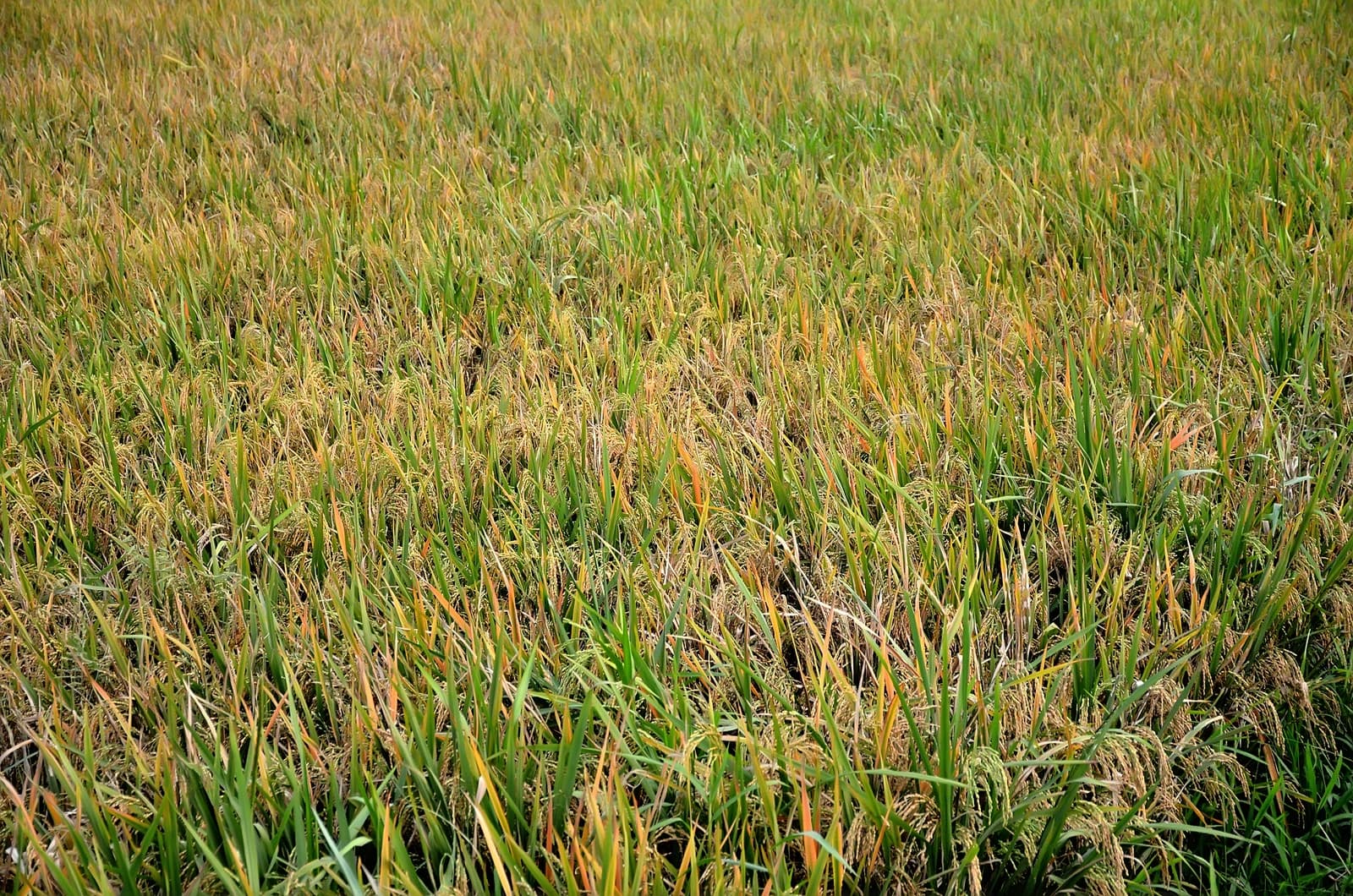
Rice export prices across Asia are climbing to their highest level in 19 months, a move that matters because it points to firmer import costs for buyers and better pricing power for producers in a market that has been unusually sensitive to policy shocks and weather-related supply swings.
Asia Rice Export Prices Rise to 19-Month High
Fresh quotations from Vietnam’s Mekong Delta, a key benchmark for regional trade, rose sharply this week and extended gains from the previous week, reflecting steady overseas demand and tightly managed supply. The rally comes even as domestic rice markets in parts of Asia remain uneven, underscoring how export flows are being driven less by local retail conditions and more by external buying and policy decisions in major producing countries.
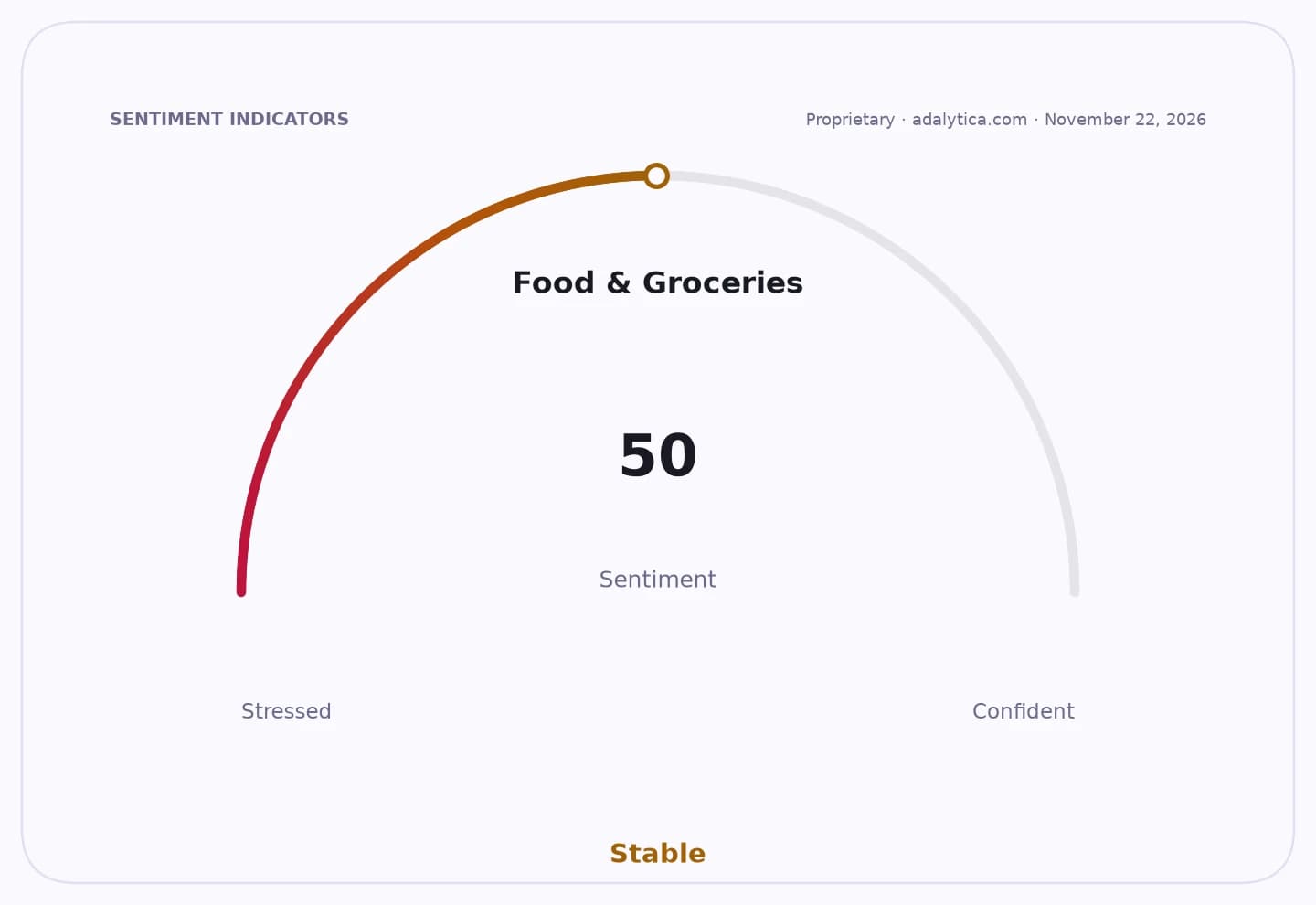
Sentiment Indicators
For investors, the significance is twofold. First, higher rice export prices can improve revenues for exporters, millers and shipping-linked agribusinesses, particularly in countries with surplus supplies. Second, they raise the risk of inflation spillover in importing economies, where rice is a politically sensitive staple and a large part of household food budgets. In markets such as India, where authorities have weighed export curbs on non-basmati rice to contain domestic prices, the latest price strength suggests policymakers may stay cautious about loosening supply.
The broader backdrop is a grain market still dealing with fragmented supply chains and active state intervention. Unlike globally traded crops that are priced mainly by futures markets, rice remains heavily shaped by government controls, procurement programs and export restrictions. That makes any sustained increase in export quotations especially important: it can quickly alter trade routes, support margins for Asian exporters and force importing governments to rebuild inventories sooner than planned.
Vietnam’s role is particularly relevant because it often competes with Thailand and India for regional and African buyers. If export prices keep rising, smaller importers could face higher procurement bills, while larger state buyers may delay tenders or shift purchases between origins. That could tighten trade volumes even if demand remains steady, especially if more governments move to shield domestic markets from food inflation.
The bull case is that firmer export demand and controlled supply can sustain pricing through year-end, benefiting growers and traders. The bear case is that the rally proves short-lived if India eases restrictions, if harvest conditions improve, or if buyers push back against higher offers. For investors, the key watchpoint is whether the current move becomes a durable pricing cycle or merely a brief response to policy caution and near-term stocking demand.
| Entity | Gains | Losses |
|---|---|---|
| Vietnam rice exporters | ▲Higher export revenue | ▼Buyer resistance |
| Importing countries | ▲— | ▼Higher food bills |
| Indian policymakers | ▲Domestic price control | ▼Lower export flexibility |
| Asian millers/traders | ▲Better margins | ▼Volatile procurement costs |