Vietnam’s push to tighten rules for commodity derivatives is aimed at a problem that has long hurt its farms more than its markets: volatile crop prices that can wipe out income even after a strong harvest.
Vietnam Derivatives Law Targets Farm Price Risk

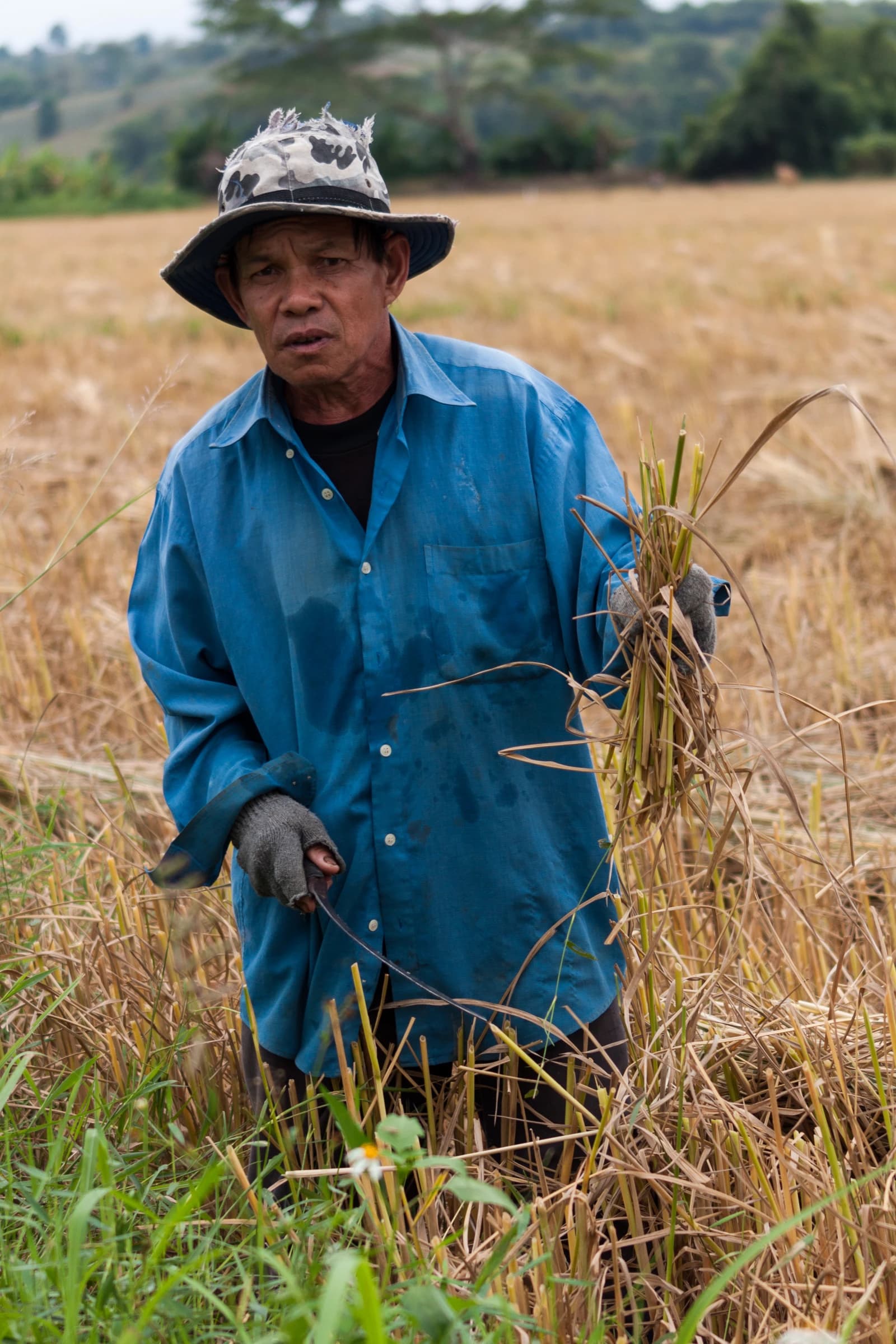
Lawmakers on Thursday argued that the proposed derivatives law should be designed less as a trading platform for individual farmers and more as a risk-management tool for cooperatives, traders, processors and exporters that buy from them. That shift matters because in agriculture the party taking the price risk is often not the farmer alone, but the wider supply chain that finances, stores and ships the crop.
Sentiment Indicators
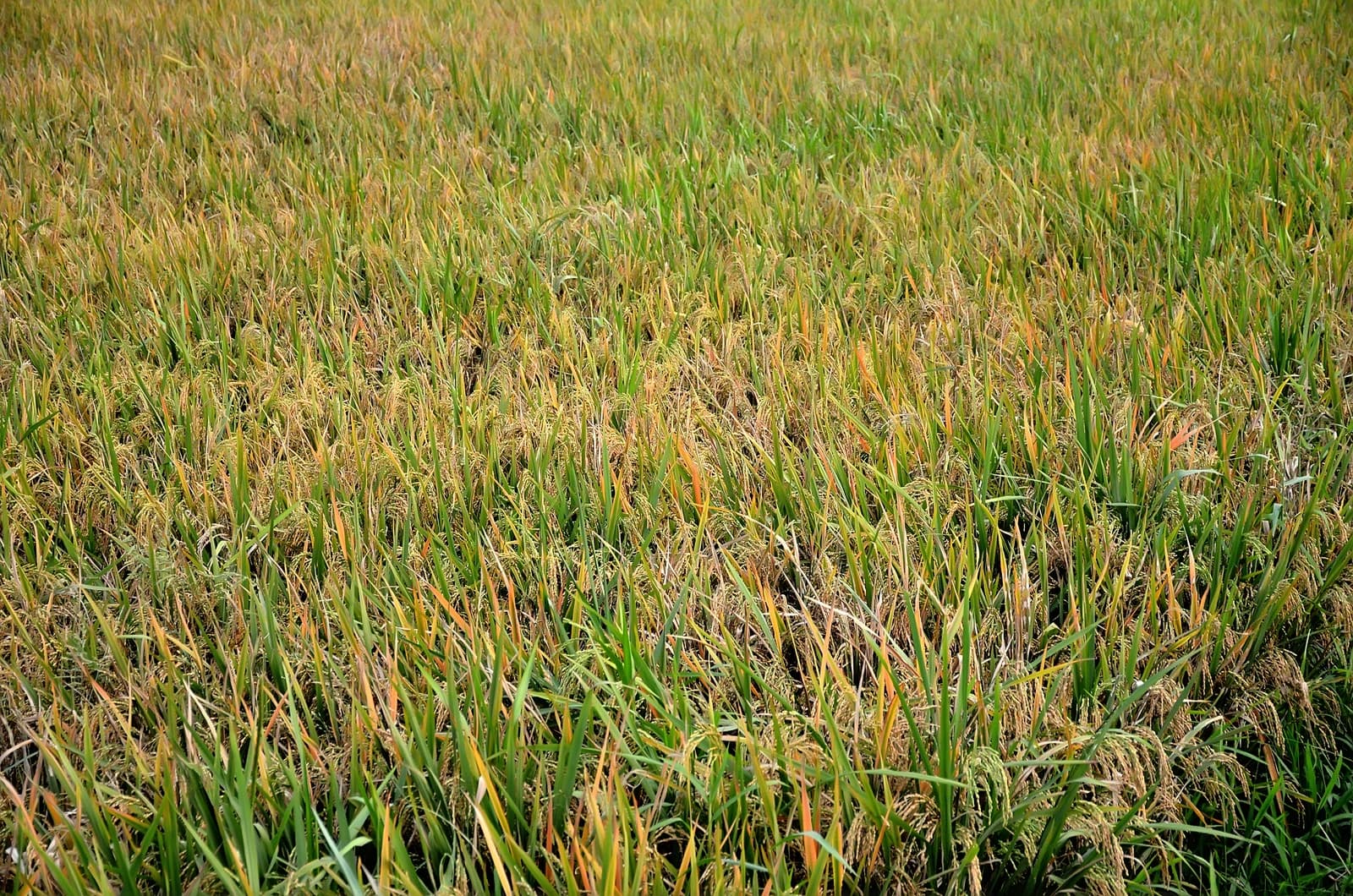
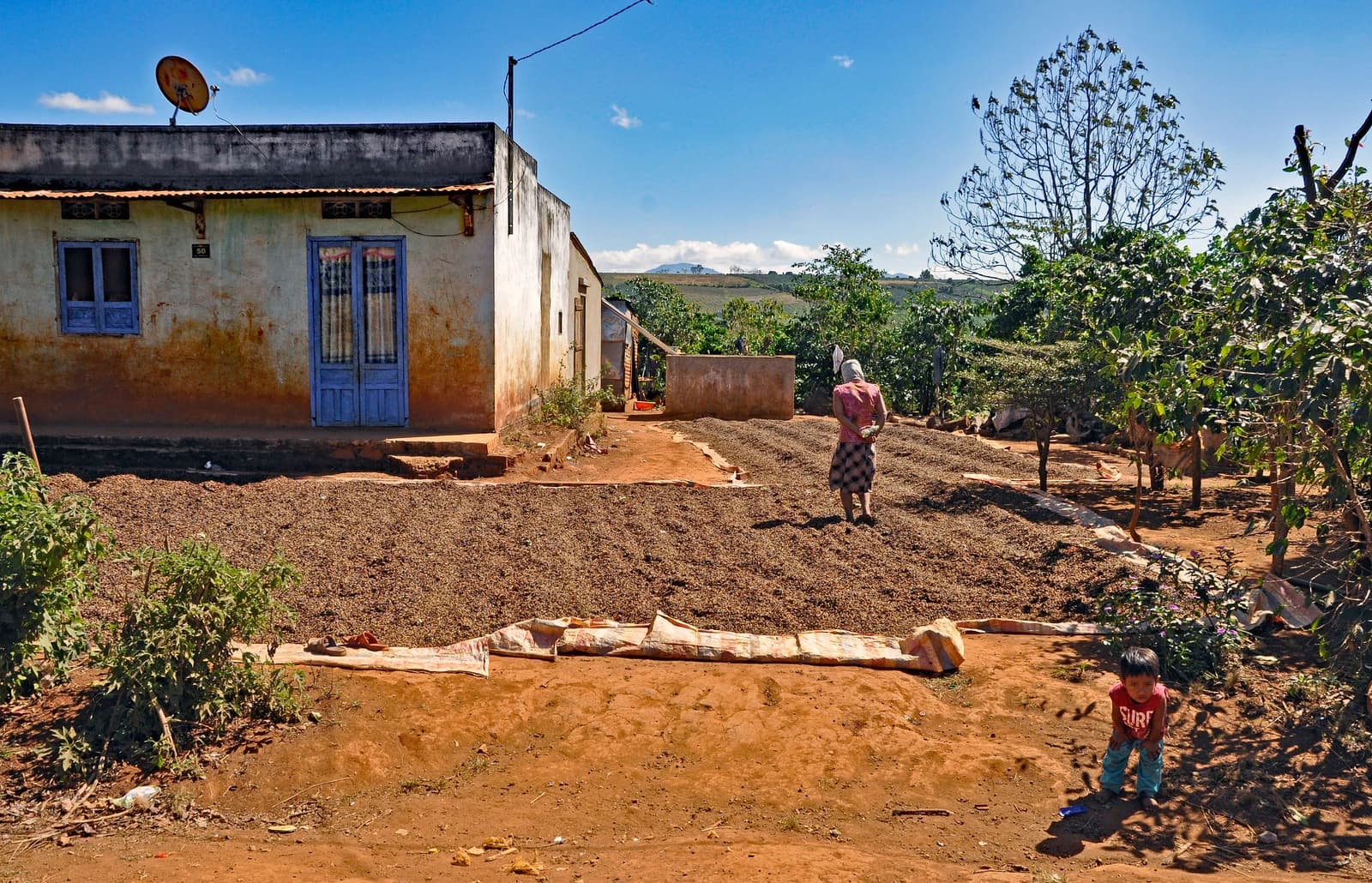
The debate comes as farmers in Vietnam continue to face sharp price swings between planting and sale. A lawmaker from Vinh Long said rice futures and related contracts would only work if benchmark prices reflected farmgate conditions in places such as the Mekong Delta, where transport, milling and delivery costs can leave domestic paddy prices far below international rice quotes. Another lawmaker highlighted coffee prices in the Central Highlands falling from around 100,000 dong to below 80,000 dong per kilogram within a few months, a drop that would compress margins for thousands of households, including ethnic minority growers.
For investors, the significance is twofold. First, a functioning hedging framework could reduce volatility in agricultural supply chains and improve cash flow visibility for exporters, food processors and lenders. Second, if the market is poorly designed, it risks becoming a narrow financial product with little practical use for producers, limiting adoption and leaving price risk where it already sits — on small farmers with little bargaining power.
The proposal also points to an important structural constraint in Vietnamese agriculture: weak storage, limited post-harvest financing and uneven market information force many farmers to sell into weak prices after harvest. Lawmakers said the law should expand certified warehouses and electronic warehouse receipts, giving producers more room to delay sales and use stored crops as collateral for credit. That would not only support incomes, but also help smooth supply, a key issue for export-oriented commodities such as rice, coffee and seafood.
A separate concern is market plumbing. Legislators said the exchange and the clearing house should be legally and operationally distinct, with clear rules on margin management, settlement and insolvency handling. That distinction matters for confidence in a derivatives market because clearing failures can quickly spread stress across counterparties, especially in a system that is still developing its risk controls and supervision.
The broader narrative is that Vietnam is trying to move from ad hoc state support for farmers toward a more market-based safety net built around hedging, warehousing and better price discovery. If the law is executed well, it could lower income swings for growers and improve supply stability for exporters. If it is too rigid or disconnected from real farmgate prices, it may add another layer of regulation without giving farmers the protection lawmakers are promising.
| Entity | Gains | Losses |
|---|---|---|
| Farmers | ▲Less price volatility | ▼Forced distress sales |
| Cooperatives/exporters | ▲Better hedging tools | ▼Higher compliance burden |
| Banks/warehouses | ▲New collateral use | ▼Greater oversight risk |
| Speculators/poorly designed products | ▲More limited opportunities | ▼Less practical market relevance |