Gasoline prices in Vietnam have been cut five times in about three weeks, yet many bowls of pho, plates of rice and other street-food staples in Ho Chi Minh City still have not become cheaper, leaving consumers frustrated and pointing to a sticky food-cost problem that goes beyond fuel.
Vietnam Food Prices Stay High After Fuel Cuts
The disconnect matters because household food spending is one of the first places consumers feel inflation, and in Vietnam it shows how lower pump prices are not flowing through quickly to retail menus, transport bills or supplier invoices. Even after the latest fuel cuts, many eateries are keeping prices at 40,000 dong to 70,000 dong a serving, roughly 5,000 dong to 8,000 dong above last year, while some vendors say portions have even shrunk.
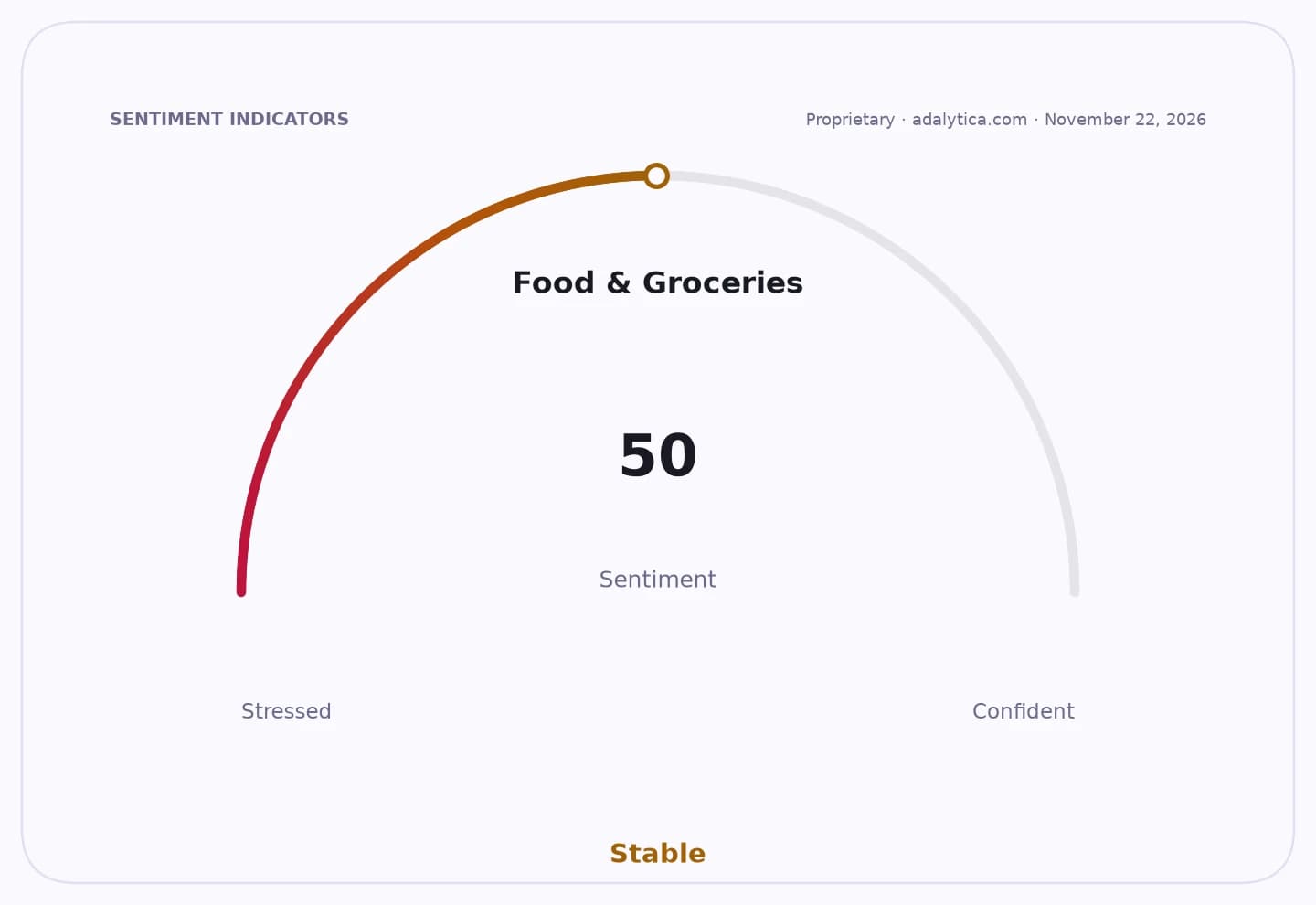
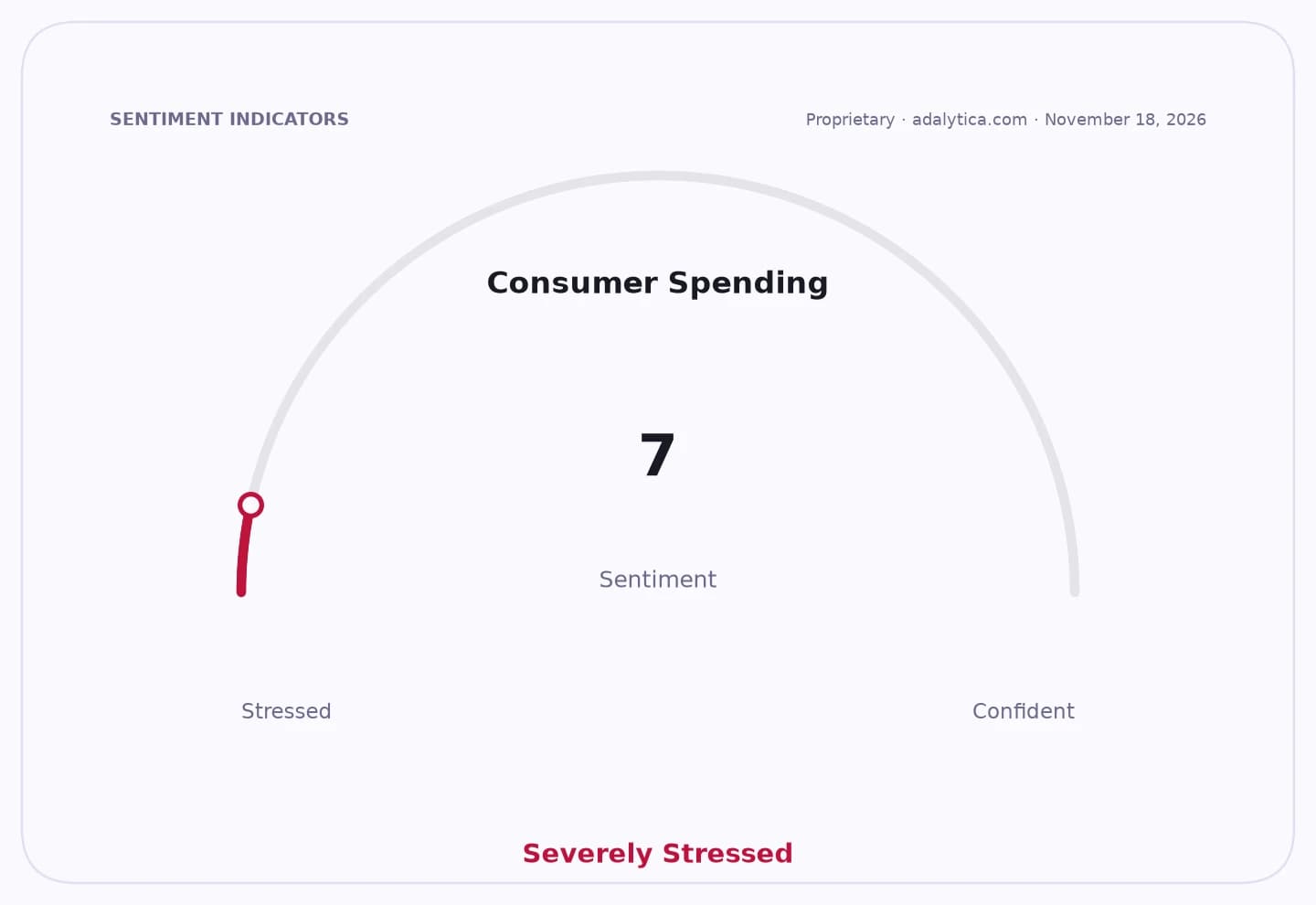
Sentiment Indicators
Consumers argue the delay is hard to justify when fuel has fallen repeatedly and meat, eggs and other inputs are cheaper than a year ago. One resident said a neighborhood rice shop raised prices twice this year, taking a plate to 40,000 dong, but has not lowered them despite the recent drop in gasoline.
Vendors and food businesses say the picture is more complicated. They point to higher ingredient costs, rent, labor, taxes and especially freight, with some suppliers still not reducing delivery charges from Lâm Đồng and Đắk Lắk to Ho Chi Minh City. A café owner said coffee bean costs have climbed from just over 100,000-200,000 dong per batch to nearly 300,000 dong, while transport and overhead costs remain elevated.
Truck operators and food distributors say the fuel pass-through problem runs both ways. Several businesses said freight contracts are often annual and price reductions are slow to be approved, even after fuel falls, because current diesel prices of about 25,000-28,000 dong a liter are still well above the levels used when contracts were signed. That keeps many carriers operating at thin margins, or at a loss, and gives little room to cut fees quickly.
For investors, the story is a reminder that food inflation can stay stubborn even when one headline cost falls, because pricing power in fragmented consumer supply chains is uneven. Suppliers, shippers and small restaurants are protecting margins, which can keep menu prices elevated and pressure consumer purchasing power, even if fuel markets are easing.
The broader risk is that this rigidity keeps inflation expectations sticky and delays relief for households. If freight rates and supplier markups do not ease, consumers are likely to keep paying more for everyday meals, and food businesses will continue to face pressure to defend margins rather than pass on savings.
| Entity | Gains | Losses |
|---|---|---|
| Restaurants and street vendors | ▲Protect margins | ▼Face consumer backlash |
| Consumers | ▲Potential future relief | ▼Still pay higher meal prices |
| Trucking and suppliers | ▲Keep pricing leverage | ▼Draw scrutiny over slow cuts |
| Household budgets | ▲Little immediate gain | ▼Continued food inflation |