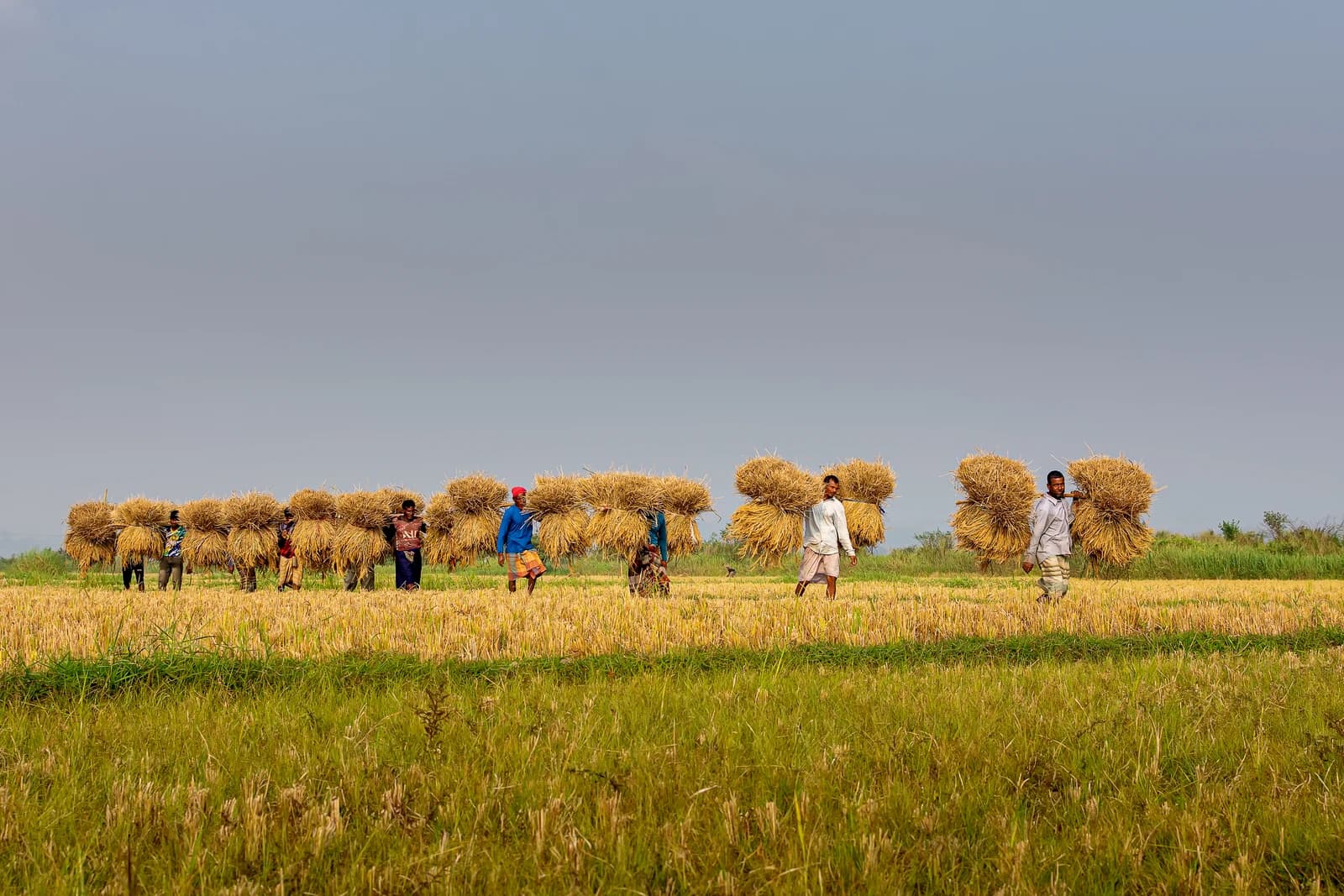
Mae Sai rice farmers are back selling their crop after safety tests cleared local paddy of arsenic contamination concerns, allowing the cooperative to reopen purchases at more than 9 baht a kilogram and easing a shock that had threatened household income in Thailand’s northern border district.
Mae Sai rice farmers resume sales after tests clear arsenic fears
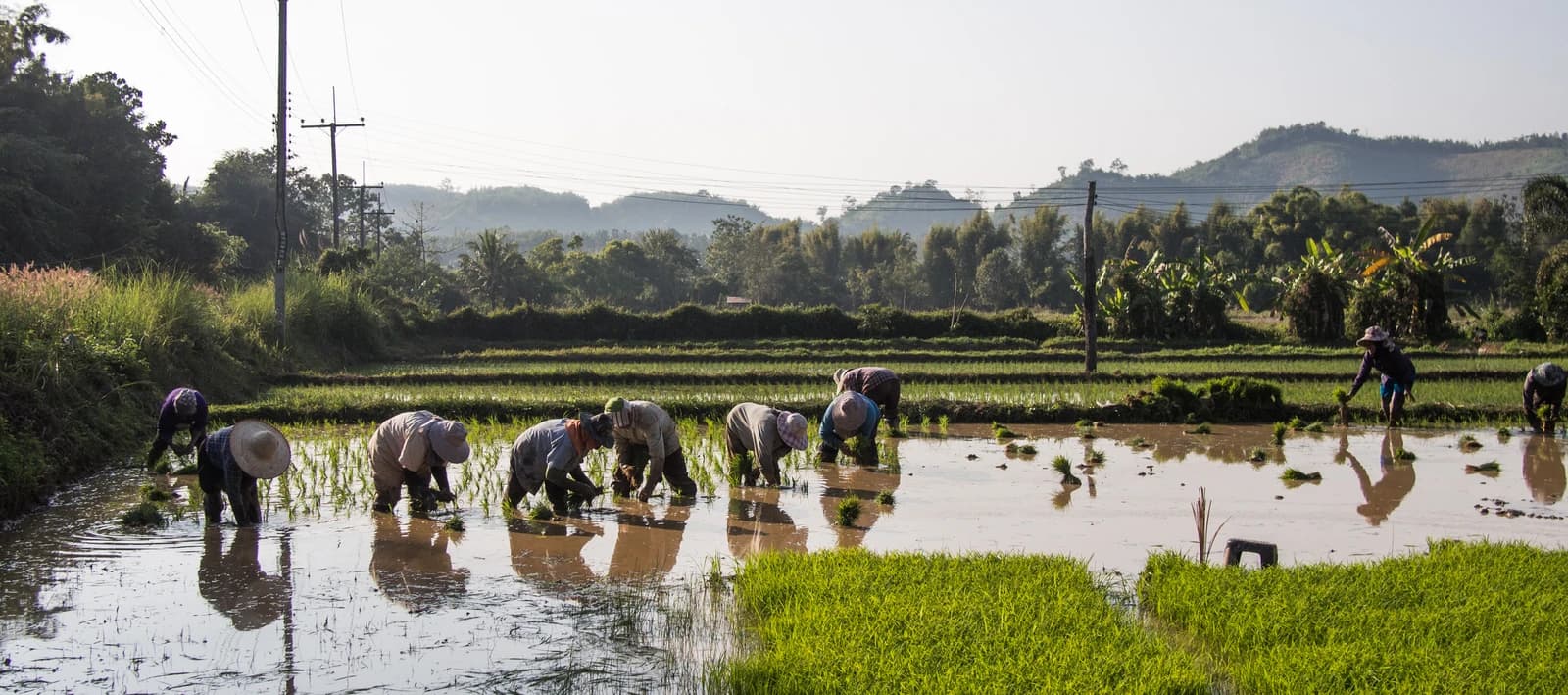
The development matters because the issue was not just about one harvest, but about whether farmers in Mae Sai could monetize their crop at all. When local mills and buyers paused purchases over contamination fears linked to the Sai River area, the immediate risk was a liquidity squeeze for households already carrying debt, seed costs and living expenses. The latest test results restored a market outlet and, for now, prevented a localized food-safety scare from becoming an agricultural income crisis.
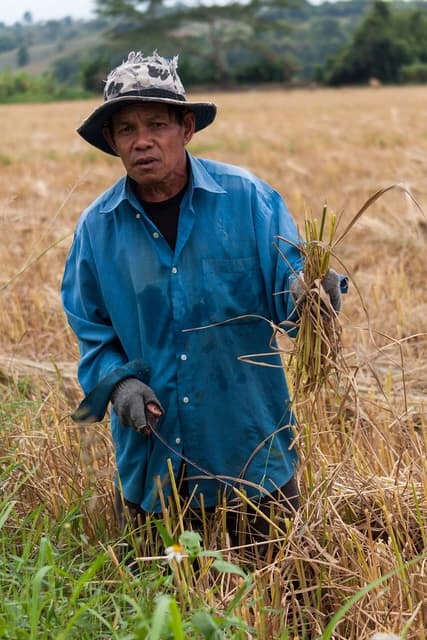
Farmers said the cooperative at Srimueang Chum subdistrict has resumed buying rice after laboratory results showed the grain passed safety standards. One grower selling Kor 6 rice from about 20 rai said she received just over 9 baht per kilogram, while another reported prices of 9.20 baht for the first lot and 9.40 baht for better-dried rice on subsequent deliveries.
Those levels are lower than last year for some growers, but they are materially better than the uncertainty they faced when buyers hesitated. For smallholders, the difference between a functioning market and a stalled one often matters more than the precise price: it determines whether they can service debt, cover transport and household expenses, and keep harvesting without being forced into distressed sales.
The episode also highlights how quickly agricultural supply chains can be disrupted by a contamination rumor, even before any broad scientific conclusion is reached. Farmers in Mae Sai argued that early reporting lumped together all of Chiang Rai province, creating reputational damage for areas that were not affected. Their call for area-by-area testing reflects a broader economic reality in food markets: trust is part of the price mechanism, and when it breaks, buyers step back before officials have time to repair confidence.
For investors and agribusiness watchers, the immediate implications are local rather than market-wide. The concern is less about Thai rice prices as a whole than about operational risk in border farming districts, the sensitivity of miller procurement to environmental headlines, and the potential for temporary supply interruptions if testing or communications lag. Any extended loss of confidence would hit farm incomes first, then rural spending, and eventually local credit conditions.
For now, the return of buying suggests the worst-case scenario has been avoided. The next question is whether officials can keep confidence intact through transparent, site-specific testing and prevent a similar scare from disrupting the next planting cycle.
| Entity | Gains | Losses |
|---|---|---|
| Mae Sai farmers | ▲Crop sales resume | ▼Earlier income uncertainty |
| Local cooperative | ▲Restocked purchases | ▼Reputational pressure |
| Buyers and mills | ▲Clearer safety signals | ▼Short-term procurement disruption |
| Chiang Rai agricultural sector | ▲Confidence in safe areas | ▼Spillover from contamination rumors |