Vietnam’s consumer economy is still running hot, with retail sales and service revenue up 13.3% in the first eight months of 2026, a pace that supports the country’s broader services-led growth story even as global growth remains uneven.
Vietnam retail sales and services rise 13.3%

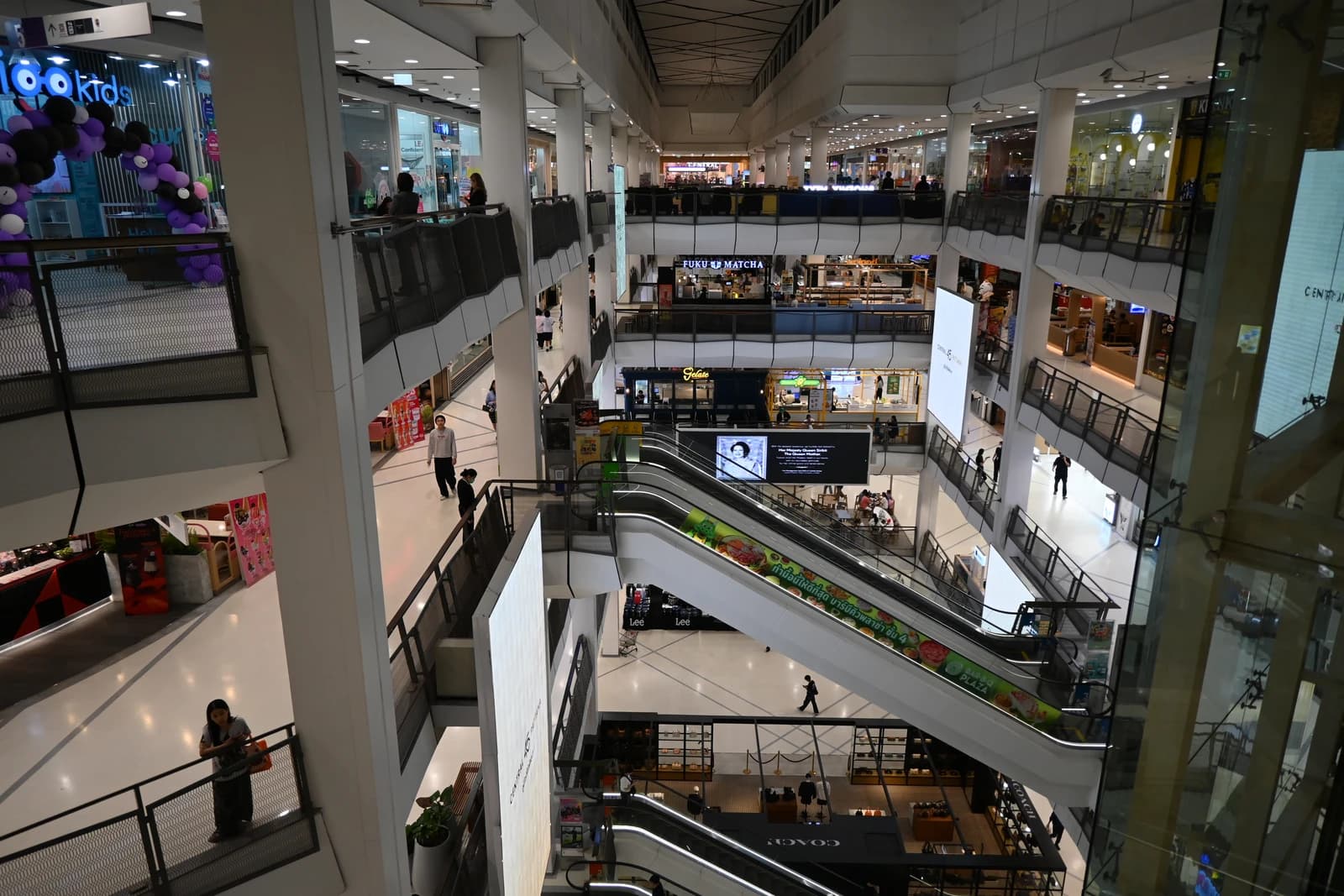
That matters because domestic demand is becoming an increasingly important buffer for Vietnam. When households keep spending on food, clothing, household goods, transport and travel, the economy gets a steadier source of growth that is less dependent on exports. In August alone, total retail sales and consumer service revenue reached 679.8 trillion dong, up 14.9% from a year earlier, while excluding price effects, the eight-month gain was still a healthy 7.6%.
Sentiment IndicatorsⓘProprietary · adalytica.com · September 3, 2026
This is a snapshot — live sentiment, awareness and momentum for 130+ markets update continuously in the dashboard.Open AlphaPulse

The composition of the growth suggests this is not just a one-off bump. Retail sales of goods rose 12.8% in the eight-month period, with food and groceries up 12.9%, garments up 11.9% and household equipment up 9.2%. Services tied to everyday life and travel are also expanding fast: accommodation and food services climbed 16.4%, travel service revenue rose 17.1% and other services increased 13.2%. Tourism-heavy provinces such as Da Nang, Khanh Hoa and Hue posted some of the strongest gains, underscoring how spending is spreading beyond the biggest cities.
For investors, that is good news for the parts of the market tied to the consumer and mobility cycle. Exchange-traded funds such as the Consumer Discretionary Select Sector SPDR Fund, or XLY, may not track Vietnam directly, but the same long-term theme applies: resilient household spending tends to reward retailers, restaurants, travel operators, logistics firms and payment companies. Transportation data reinforce the picture, with passenger volume up 18.6% and freight volume up 16.7% in the first eight months, pointing to more people moving, more goods circulating and more commerce flowing through the economy.
The longer-term narrative is straightforward. Vietnam is showing the kind of broad-based consumption growth that can help offset volatility in external demand, and that usually matters for earnings more than for headlines. Stronger retail turnover and service receipts can support employment, tax revenue and private-sector investment, especially if the trend persists into the holiday season and year-end shopping period.
There are risks, of course. Consumer strength can fade if inflation bites, credit conditions tighten or tourism slows. But for now the data argue that domestic demand remains a genuine growth engine, not just a hope. For long-term investors, that makes Vietnam’s consumer and services economy worth watching, and the companies positioned to benefit from it worth keeping on the watchlist.
| Entity | Gains | Losses |
|---|---|---|
| Vietnamese retailers and service firms | ▲Higher sales growth | ▼Margin pressure from costs |
| Consumers and households | ▲More choices and activity | ▼Risk of higher prices |
| Transport and logistics operators | ▲More passenger and freight demand | ▼Capacity strain |
| Export-dependent growth model | ▲Less reliance on it | ▼Smaller share of growth |