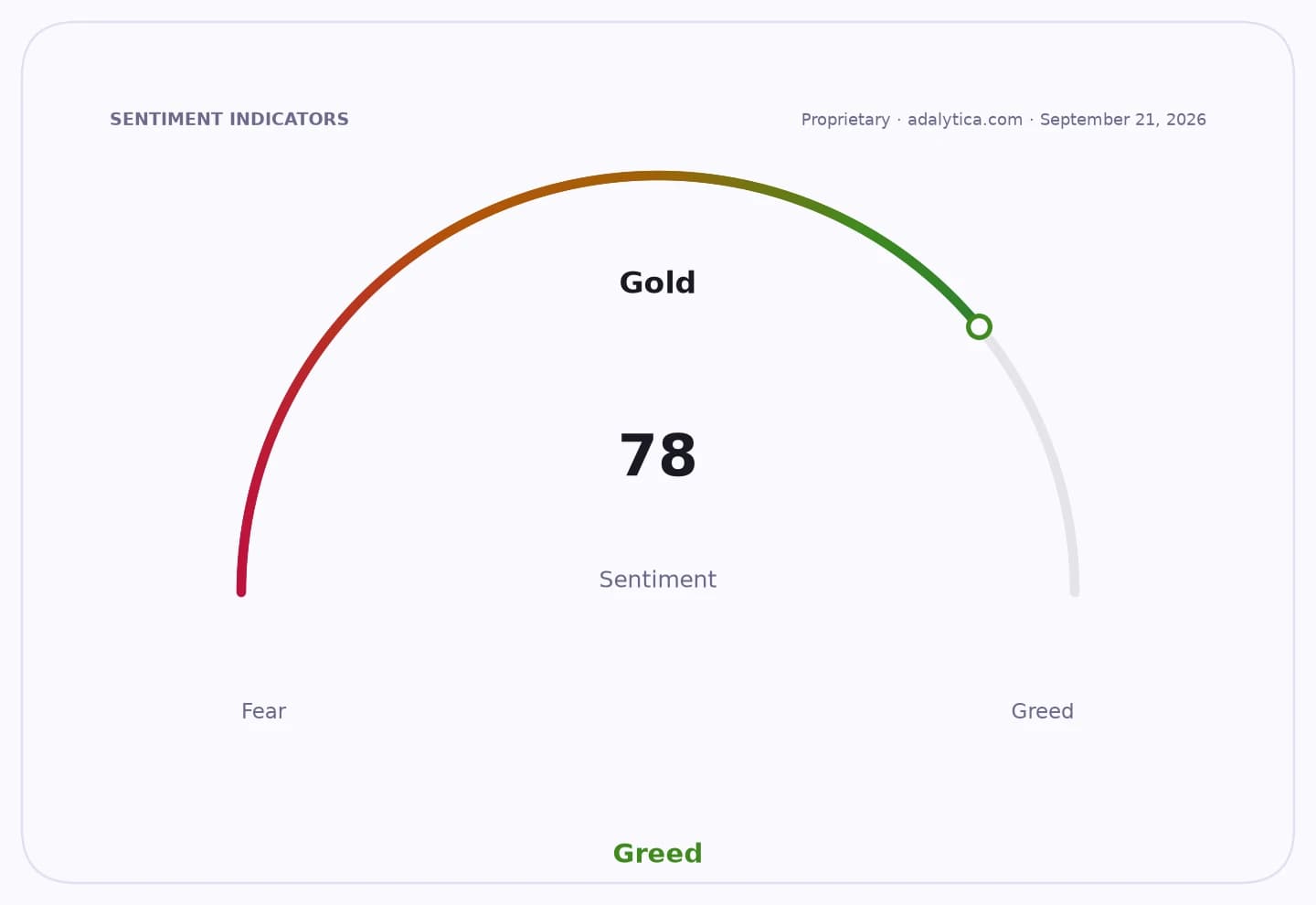
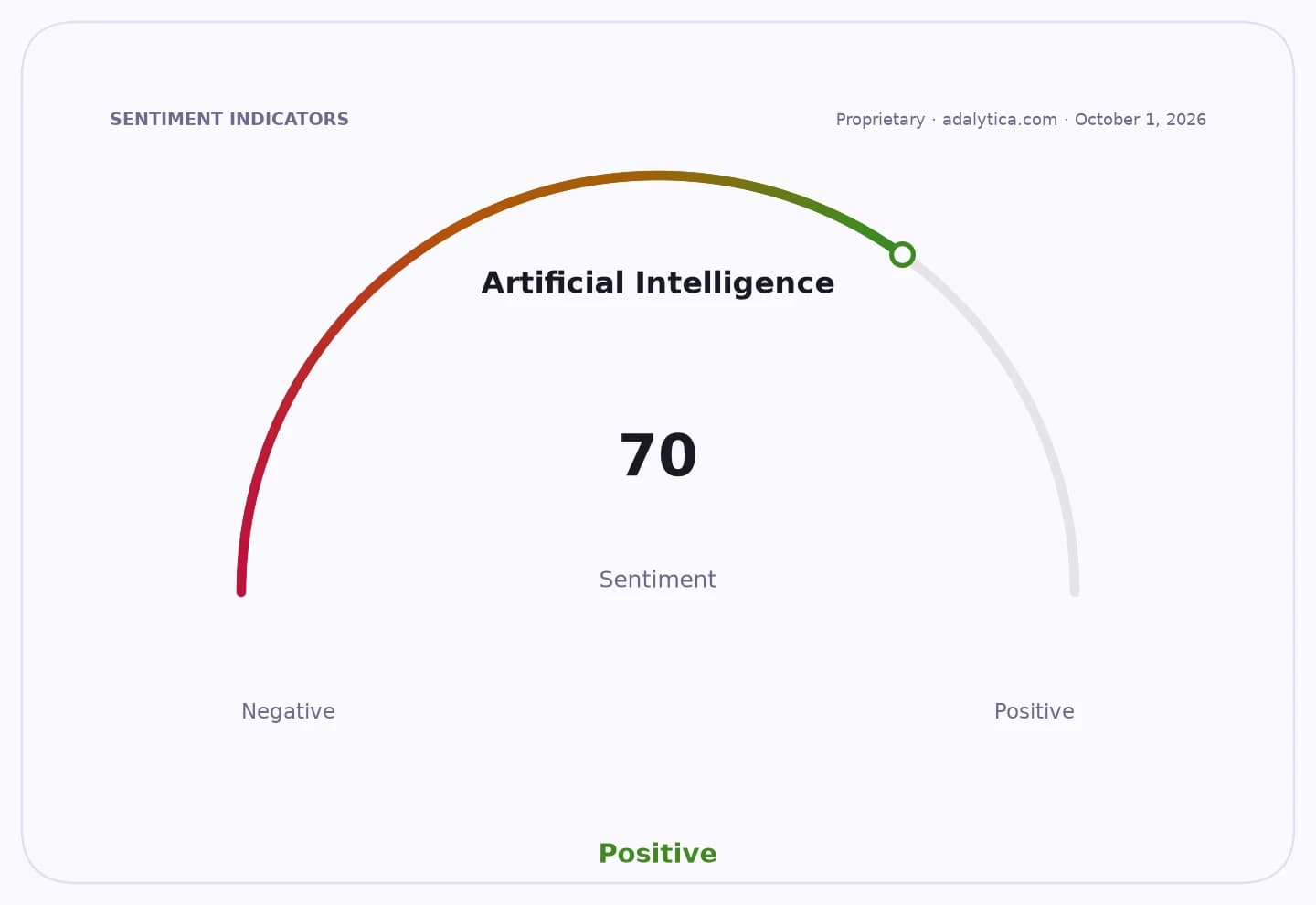
SJC gold bars in Vietnam were quoted at 144.4 million dong per tael on Sept. 25, underscoring how steep dealer spreads are leaving short-term buyers exposed even as domestic prices ease.
Vietnam SJC gold bars trade at 144.4 million dong
At 8:32 a.m. local time, SJC listed bullion at 141.4 million dong on the buy side and 144.4 million dong on the sell side, a 3 million dong gap that means anyone purchasing one tael would need prices to rise just to break even on a quick resale. The same 141.4 million-144.4 million dong range was posted by several major names, including DOJI, Phu Quy, Bao Tin Minh Chau, PNJ and Asean Gold.
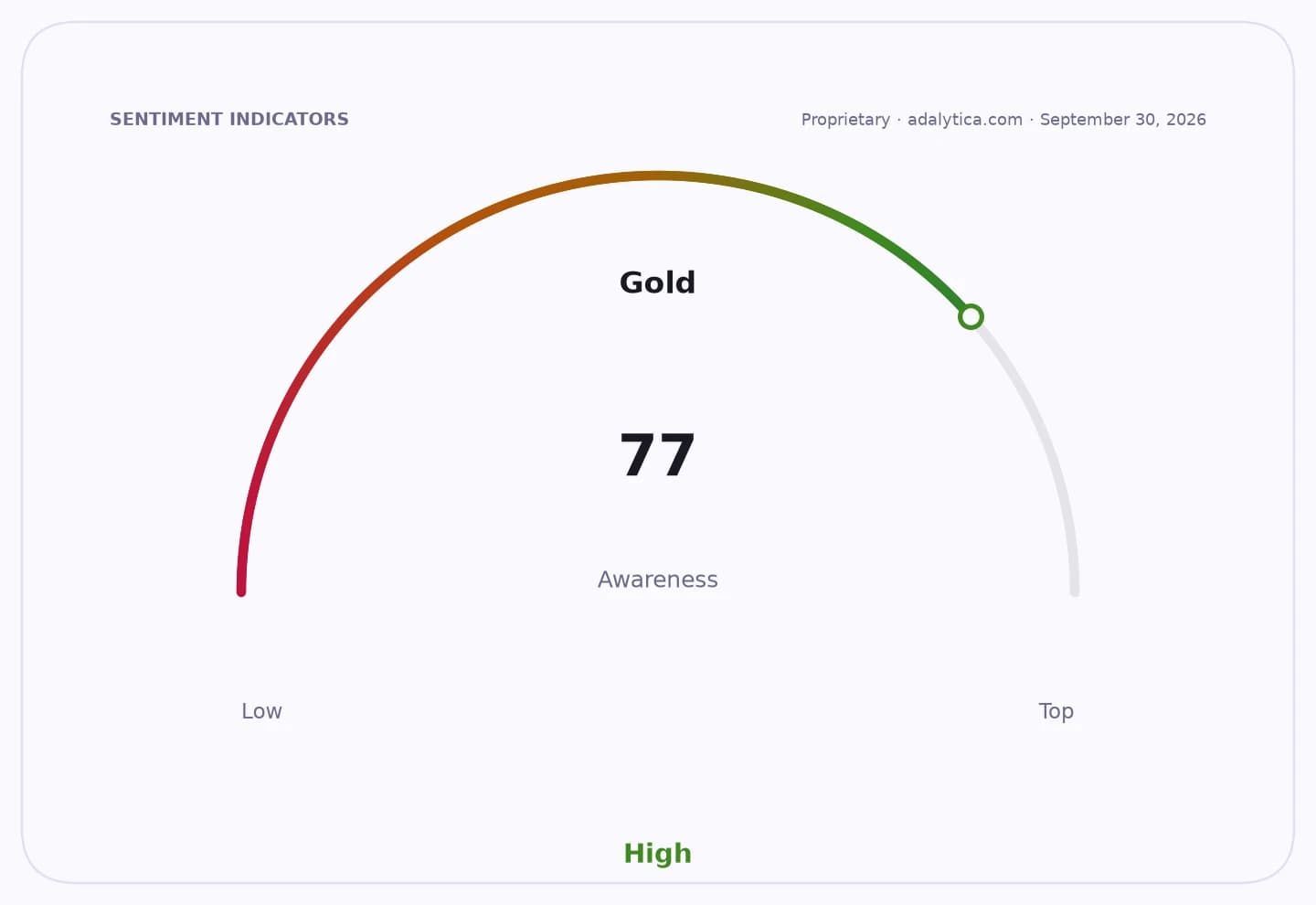
Sentiment IndicatorsⓘProprietary · adalytica.com · September 30, 2026
This is a snapshot — live sentiment, awareness and momentum for 130+ markets update continuously in the dashboard.Open AlphaPulse
The spread matters because Vietnam’s gold market is heavily driven by hoarding demand, and wide buy-sell gaps make rapid trading expensive. That raises the risk for households chasing price swings and helps explain why local demand can cool quickly when volatility spikes.
Ring-gold pricing was even more uneven. SJC’s 99.99% rings were quoted at 140.9 million-143.9 million dong a tael, while some 24K and 9999 ring products from Bao Tin Minh Chau, Bao Tin Manh Hai and DOJI carried 4 million-dong spreads, a fuller margin than bullion. For 99.99% jewelry, SJC showed a 4.5 million-dong gap, reinforcing the need for buyers to check the exact product and repurchase terms rather than assume all gold prices move together.
The domestic pullback comes against a firmer global backdrop. Spot gold was at $4,277 an ounce late on Sept. 24 in New York, up 0.09%, as the metal rebounded but remained capped by a strong dollar and US 10-year Treasury yields near 5.1%.
Markets are still pricing a roughly two-thirds to 70% chance of another Federal Reserve rate hike in October after a run of US data showed the economy holding up better than expected, including stronger-than-forecast private-sector growth, lower jobless claims and a 6.4% rise in new home sales in August. That keeps the dollar supported and limits gold’s upside, even as geopolitical risks in the Strait of Hormuz and US-Iran tensions continue to offer some haven demand.
For investors, the key issue is not just the level of gold but the cost of entry and exit. Wide spreads can erode returns quickly, particularly for retail buyers who treat bullion as a short-term trade rather than a store of value.
| Entity | Gains | Losses |
|---|---|---|
| SJC and major dealers | ▲Wider trading margins | ▼Lower speculative turnover |
| Short-term gold buyers | ▲Lower entry levels on pullbacks | ▼Big buy-sell spread |
| Long-term hoarders | ▲Potential lower accumulation cost | ▼Near-term price volatility |
| Gold sellers/traders | ▲Opportunity to lock in gains | ▼Weak resale pricing |