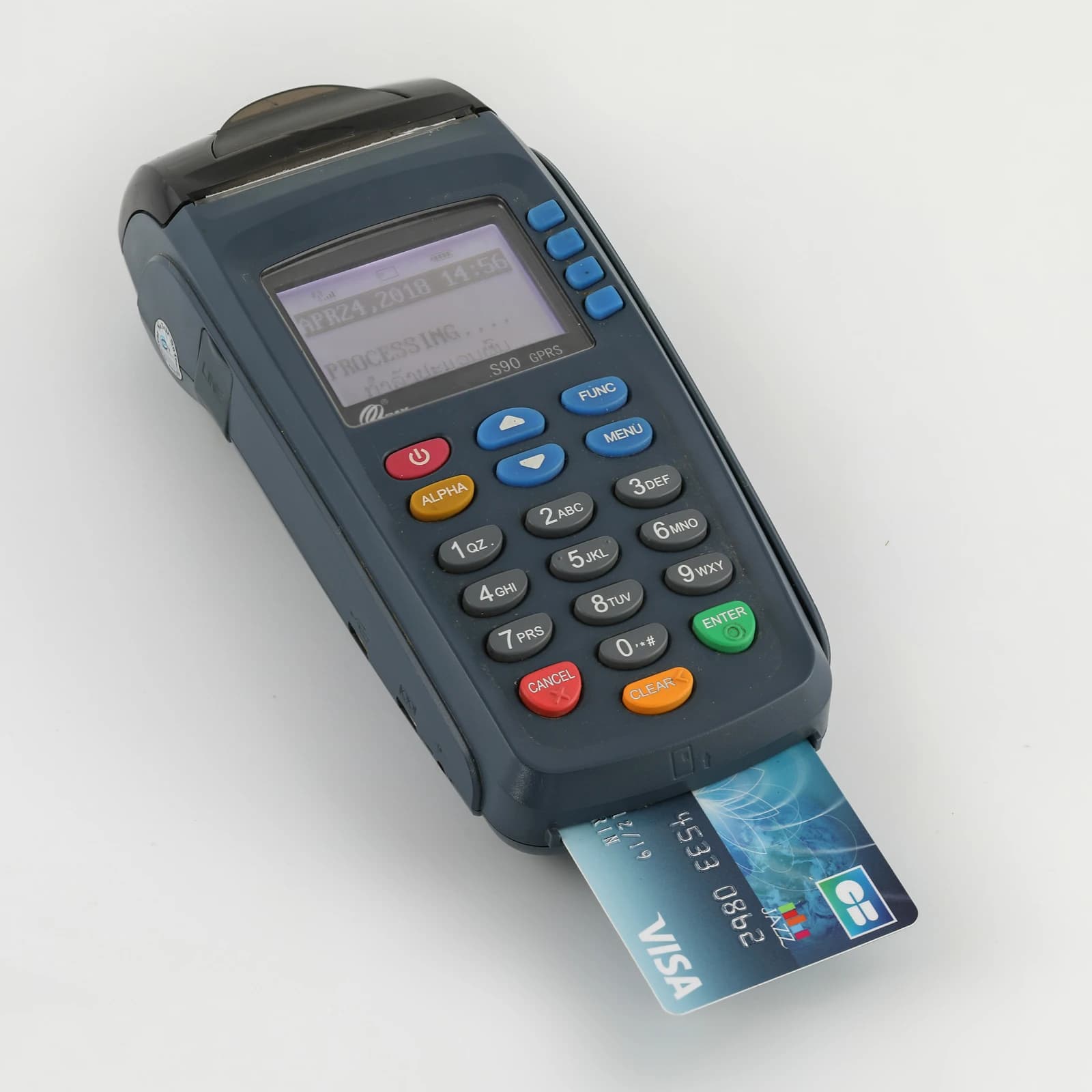
Visa is not ready to put a timetable on stablecoin adoption in the Philippines, underscoring how even as digital dollars gain traction across payments markets, the path from pilot to scale still depends on regulation, banking rails and consumer demand.
Visa has no timeline for Philippines stablecoin rollout

That matters because the Philippines is one of the more obvious test cases for stablecoins in everyday commerce: a large remittance economy, high cross-border payment needs and a population already accustomed to mobile-first financial services. Yet Visa’s cautious stance suggests the near-term economics remain constrained by compliance, settlement and partner readiness rather than by technology alone.
Sentiment Indicators
The broader market backdrop is increasingly supportive but also more volatile. Stablecoins are drawing closer scrutiny after a reported security incident at Binance prompted issuers including Tether, Circle and World Liberty Financial to freeze more than $2.5 billion in assets, highlighting both the operational risk around crypto infrastructure and the growing importance of controls that can satisfy regulators and institutional users. At the same time, Ripple’s RLUSD recently received Moody’s first investment-grade rating for a stablecoin, a sign that parts of the market are moving toward the kind of credit and governance standards that payment networks and banks typically require before committing at scale.
For Visa, the strategic implication is straightforward: stablecoins remain a potential complement to card and bank rails, especially for cross-border transfers, merchant settlement and treasury flows, but they are not yet a near-term substitute for the network’s core business. The company has long argued that digital assets can fit within existing payments infrastructure if they meet standards on reserve quality, redemption, compliance and fraud prevention. A lack of a firm Philippines timeline indicates those conditions have not yet been met in a way that justifies a broad rollout.
Investors should read that as both a delay and a de-risking factor. Visa has little incentive to force adoption before local rules, banking partnerships and merchant use cases are mature enough to support recurring transaction volume. That keeps the company focused on its high-margin core processing business while preserving optionality on stablecoin-linked flows if the market scales. It also suggests competitors such as PayPal, which has been building out its own stablecoin efforts, may have more to prove before digital-dollar products translate into meaningful revenue.
The key question now is whether the Philippines becomes a blueprint for regulated stablecoin payments in Southeast Asia or remains another reminder that crypto’s most practical use cases still need the blessing of financial authorities and incumbents. For investors, the near-term catalyst is not adoption itself, but whether Visa can turn cautious experimentation into a model that extends its network into stablecoin settlement without diluting margins or taking balance-sheet risk.
| Entity | Gains | Losses |
|---|---|---|
| Visa | ▲Optionality without execution risk | ▼Speed of stablecoin rollout |
| Stablecoin issuers | ▲Long-term distribution opportunity | ▼Near-term regulatory certainty |
| Philippine consumers/remitters | ▲Cheaper cross-border potential | ▼Fast rollout of new rails |
| PayPal and crypto payment rivals | ▲Broader market validation | ▼Visa’s continued caution |