Luxury SUV buyers are getting more choice, but also more pressure to justify the spend, as the BMW X5 and Volvo XC90 sit in a market that is increasingly split between performance, comfort and efficiency. The broader SUV segment is still expanding and diversifying, but premium models now have to compete not just on badge appeal, yet on technology, range, ride quality and long-term ownership costs.
Volvo Rallies as Luxury SUV Demand Stays Strong
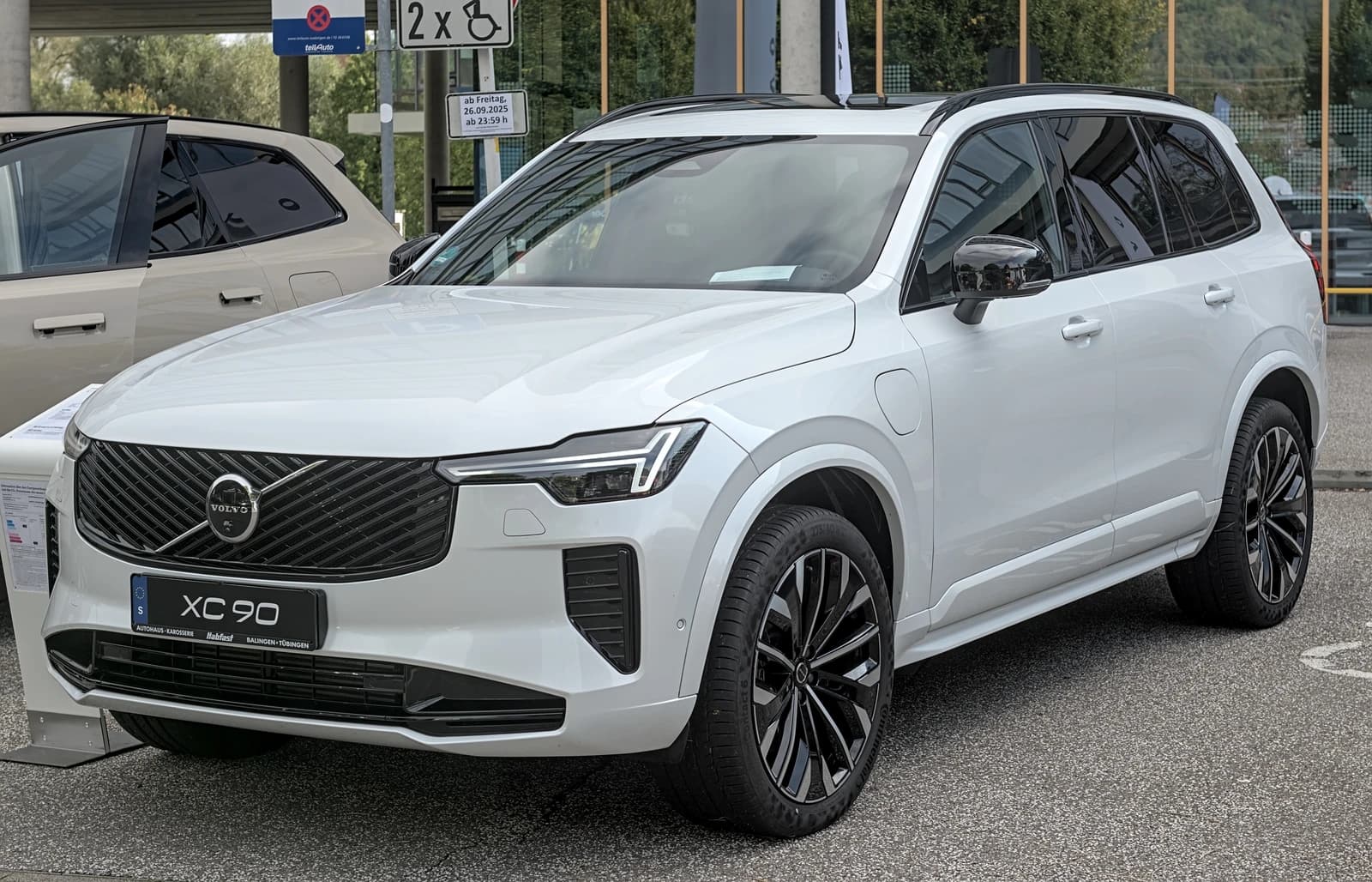
That matters economically because luxury SUVs remain one of the most profitable corners of the auto industry. When buyers trade up into seven-seat crossovers like the XC90 or performance-oriented models like the X5, they are often absorbing higher financing costs, pricier insurance and more expensive maintenance, which makes pricing power and residual values critical for automakers and lenders alike.
Volvo Cars’ U.S.-listed shares underscore how investors are weighing that premium market. VLVLY has climbed to $37.51 from $25.30 on Oct. 17, a gain of nearly 48%, and is now trading above both its 50-day and 200-day moving averages. The stock’s RSI reading of 75.0 suggests it is technically stretched, even as momentum has improved alongside a positive MACD setup.
For investors, that keeps the focus on whether luxury demand can hold up through a more competitive cycle. The XC90’s appeal to families and safety-conscious buyers gives Volvo exposure to a high-value segment, while BMW’s X5 remains a benchmark for performance-led premium utility vehicles; any shift in consumer preference between the two can ripple through showroom traffic, leasing economics and supplier volumes.
The market backdrop also favors product differentiation over broad-based volume growth. As automakers from Mahindra to Hyundai and BAIC push new SUVs into the same global competition for affluent buyers, incumbents are being forced to defend share with more equipment, sharper design and better powertrain offerings, including electrified versions.
The next catalyst is execution: pricing discipline, inventory levels and whether premium SUV demand can stay resilient if rates, incentives or consumer spending weaken. If the segment softens, the brands with the strongest residual values and lowest ownership friction should hold up best; if it stays hot, the luxury SUV trade remains one of the auto industry’s most attractive profit pools.
| Entity | Gains | Losses |
|---|---|---|
| BMW X5 | ▲Performance-led premium buyers | ▼Value-focused family shoppers |
| Volvo XC90 | ▲Safety and comfort-oriented buyers | ▼Buyers seeking sportier handling |
| Automakers with strong SUV lineups | ▲Margin growth and pricing power | ▼Weaker rivals with dated products |
| Investors in premium SUV makers | ▲Higher profit potential | ▼Holders if demand cools or valuations stretch |