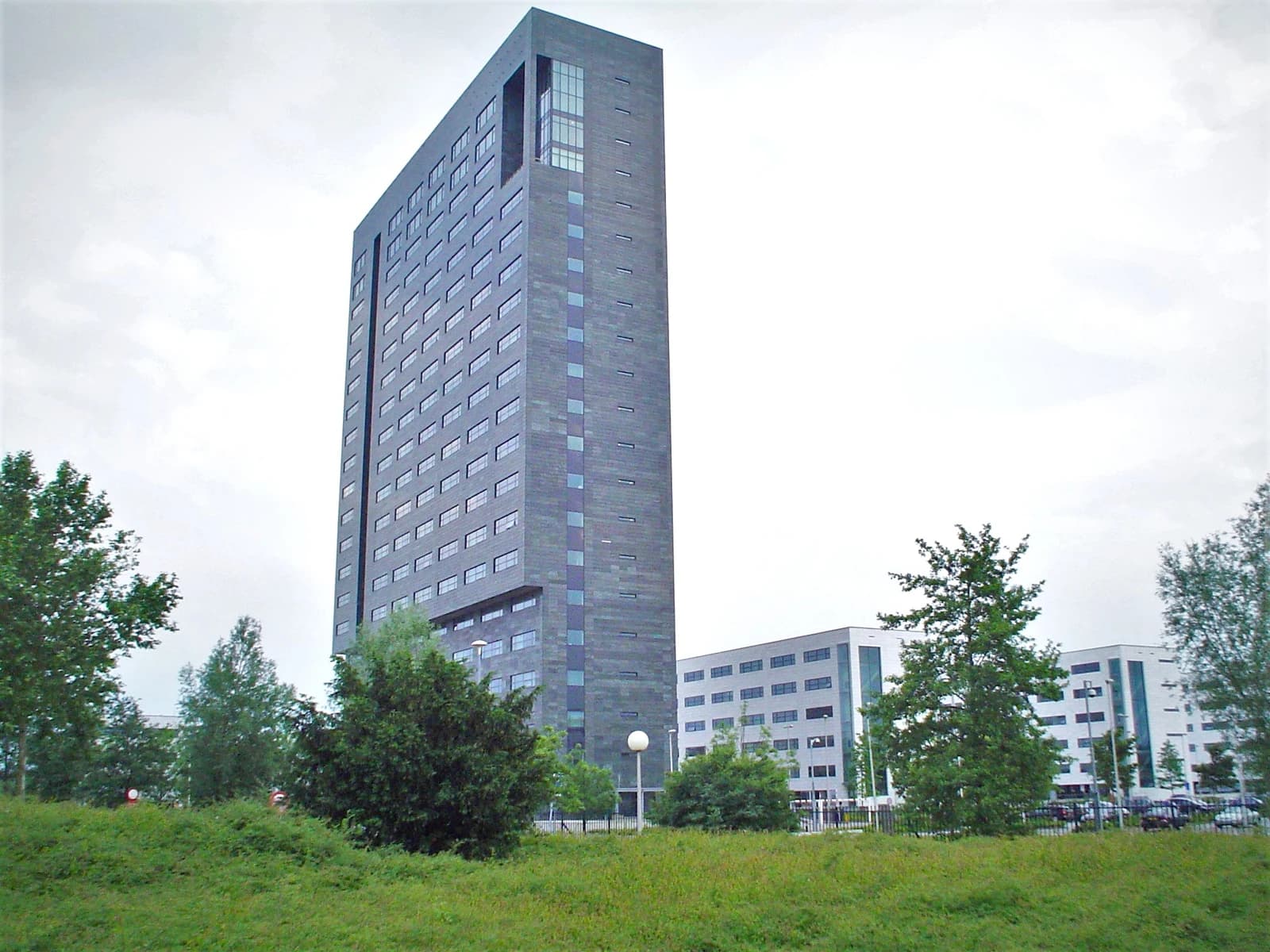
Wacker Chemie is taking another big step toward cashing in on the artificial-intelligence boom, selling a fresh 2.2 million-share block in Siltronic and trimming its stake to about 15%, while the wafer maker remains one of the quieter beneficiaries of the global race to build more data centers.
Wacker Chemie sells 2.2 million Siltronic shares
The deal brought in 171 million euros and was placed with institutional investors at 77.25 euros a share, a 6.6% discount to Tuesday’s Xetra close. For Wacker, the transaction strengthens the balance sheet and creates more room to invest in its own growth, according to Chief Executive Christian Hartel. For investors, the message is simpler: when AI capex keeps rising, even a cyclical German chemicals group can unlock value from an old semiconductor holding.
Sentiment IndicatorsⓘProprietary · adalytica.com · September 27, 2026
This is a snapshot — live sentiment, awareness and momentum for 130+ markets update continuously in the dashboard.Open AlphaPulse
That matters because Siltronic sits at the start of the AI supply chain. The company makes silicon wafers, the foundation for chips used in servers, accelerators and other hardware powering machine learning workloads. As cloud providers, chipmakers and data-center operators keep spending, the market has been willing to reward suppliers that can feed the buildout. Siltronic’s recent share performance reflected exactly that expectation.
Wacker’s reduced stake also changes the investment case for both companies. The sale adds liquidity and financial flexibility at Wacker, which can be useful if management wants to fund new projects, pay down debt or return capital in the future. At the same time, it lowers the strategic overhang on Siltronic by reducing the influence of a former parent that has long held a large position. That can improve the stock’s appeal to institutions looking for a purer semiconductor play.
The broader backdrop still favors the theme. AI spending remains the strongest secular growth story in markets, and it is pulling in everything from chip designers to memory makers, foundries and equipment suppliers. Nvidia and Microsoft, two bellwethers of the trade, continue to show how much capital is being directed toward AI infrastructure. The stronger the buildout, the more demand flows down the chain to materials and wafer producers such as Siltronic.
For long-term investors, the key question is not whether AI enthusiasm cools in the short run. It is whether the underlying need for compute, memory and fabrication inputs keeps expanding over years. On that score, the answer still looks favorable. Wacker’s latest sale shows how a legacy industrial company can benefit from owning an asset tied to one of the market’s most powerful trends.
That makes Siltronic worth watching, not just as a trading name, but as a leveraged way to play the durability of AI capital spending. Wacker, meanwhile, looks better positioned to turn an old investment into future growth capital.
| Entity | Gains | Losses |
|---|---|---|
| Wacker Chemie | ▲Cash, flexibility | ▼Less ownership upside |
| Siltronic | ▲Lower parent overhang | ▼Selling pressure, dilution of control |
| AI infrastructure buyers | ▲More wafer supply focus | ▼Higher capex costs |
| Long-term investors | ▲Cleaner AI exposure | ▼Less immediate value realization |