Walmart is lowering the effective price of its loyalty ecosystem and trying to turn membership into a bigger profit engine with a new $120 annual bundle that combines Walmart+ and Sam’s Club Plus.
Walmart launches $120 Walmart+ and Sam’s Club bundle

The package, announced Wednesday, gives shoppers access to both of Walmart’s main subscription platforms for about $88 less than buying them separately, a discount designed to pull more households into a single paid relationship with the retailer and encourage heavier spending across its stores, clubs and delivery network.
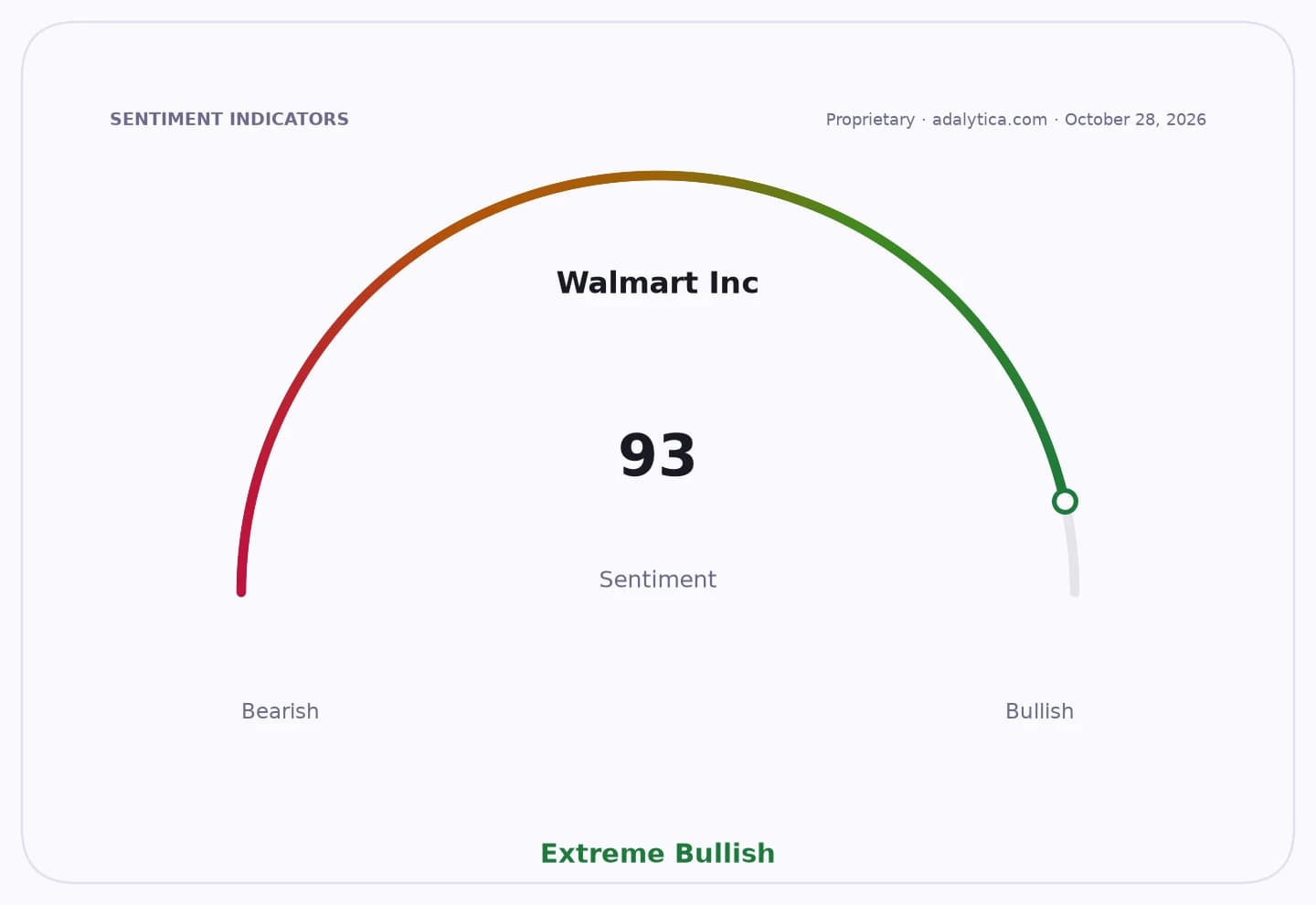
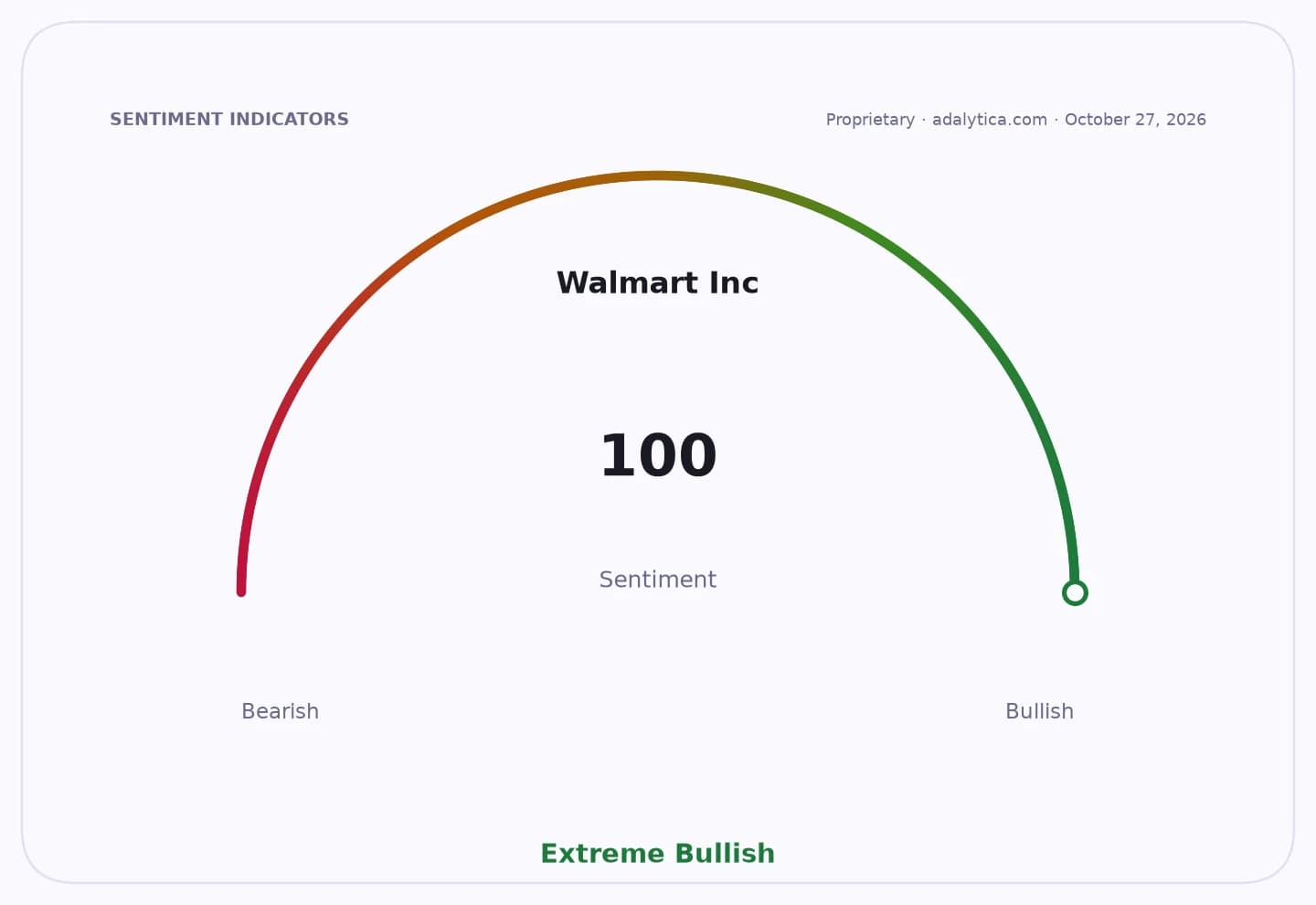
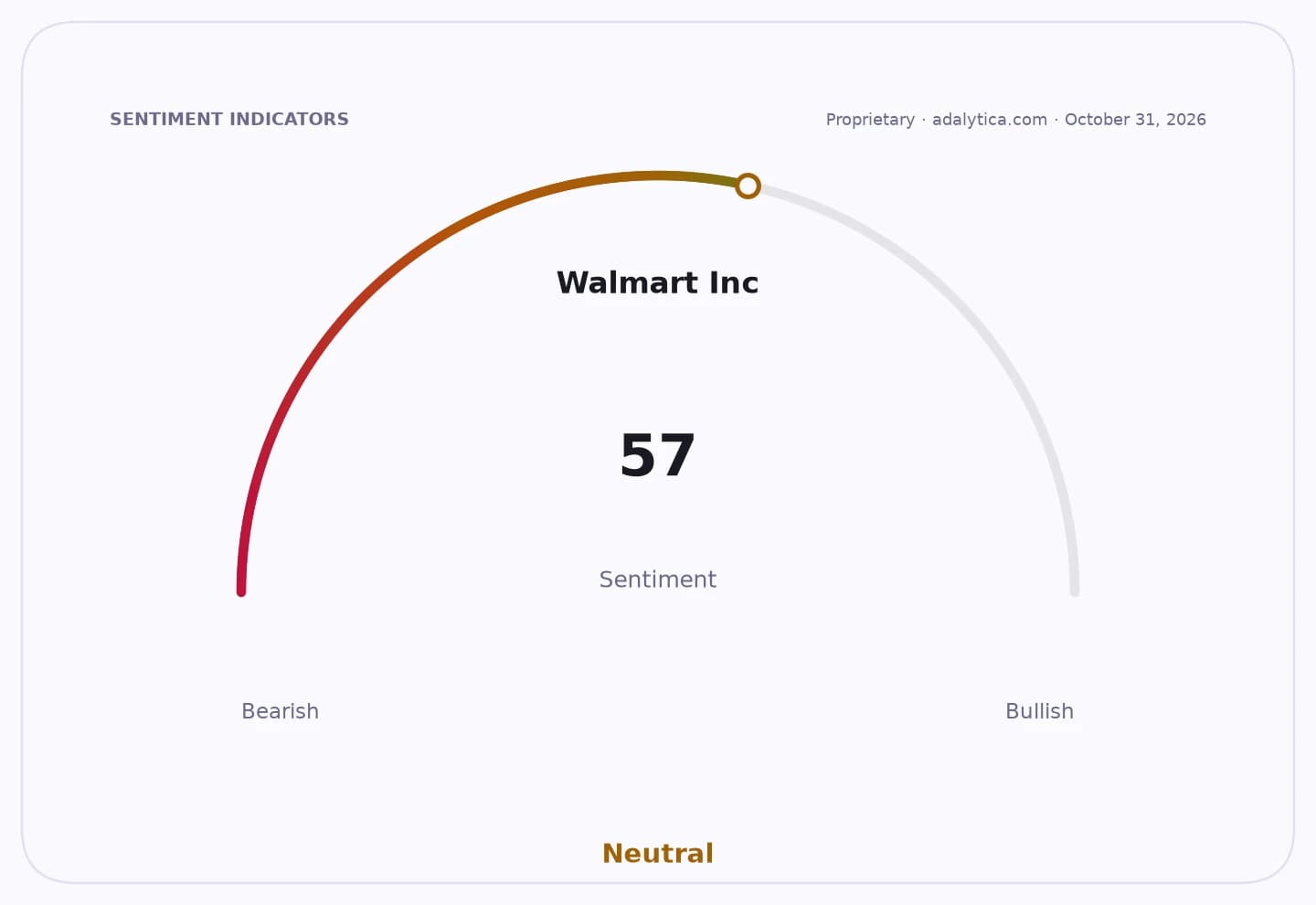
Sentiment Indicators
That matters because membership income has become one of Walmart’s most attractive growth levers. In its latest quarterly filing, Walmart said membership and other income rose 15.6% in the latest quarter and 30.4% over six months, driven mainly by double-digit growth in Walmart+ fee revenue. The company has also said e-commerce sales at both Walmart U.S. and Sam’s Club continued to benefit from member engagement with omnichannel services such as delivery and club-fulfilled pickup.
The new offer also tightens Walmart’s competitive response to warehouse club rivals and online retail platforms that increasingly use subscriptions to lock in repeat purchases. Costco has long used renewal economics to protect traffic and margin, while Amazon has made Prime the anchor of its retail and media ecosystem. By folding Walmart+ and Sam’s Club Plus together, Walmart is effectively asking consumers to view grocery delivery, bulk shopping and streaming as one value proposition rather than separate products.
For investors, the key question is whether the lower headline price expands the membership base enough to offset forgone fee revenue per subscriber. The bull case is that bundled households may shop more frequently, use more delivery services and generate higher lifetime value through cross-channel purchases. The bear case is that Walmart is discounting a premium revenue stream to defend share in a still-price-sensitive consumer environment, which could pressure near-term monetization if uptake is driven mostly by existing members trading down.
The mechanics are straightforward: new customers can buy the bundle for $120 a year, while existing Walmart+ annual members can add Sam’s Club Plus for an additional $22. Sam’s Club Plus members can upgrade to the combined package with Walmart+ included, and customers who already pay for both memberships can link accounts and, in most cases, receive a prorated Walmart+ refund.
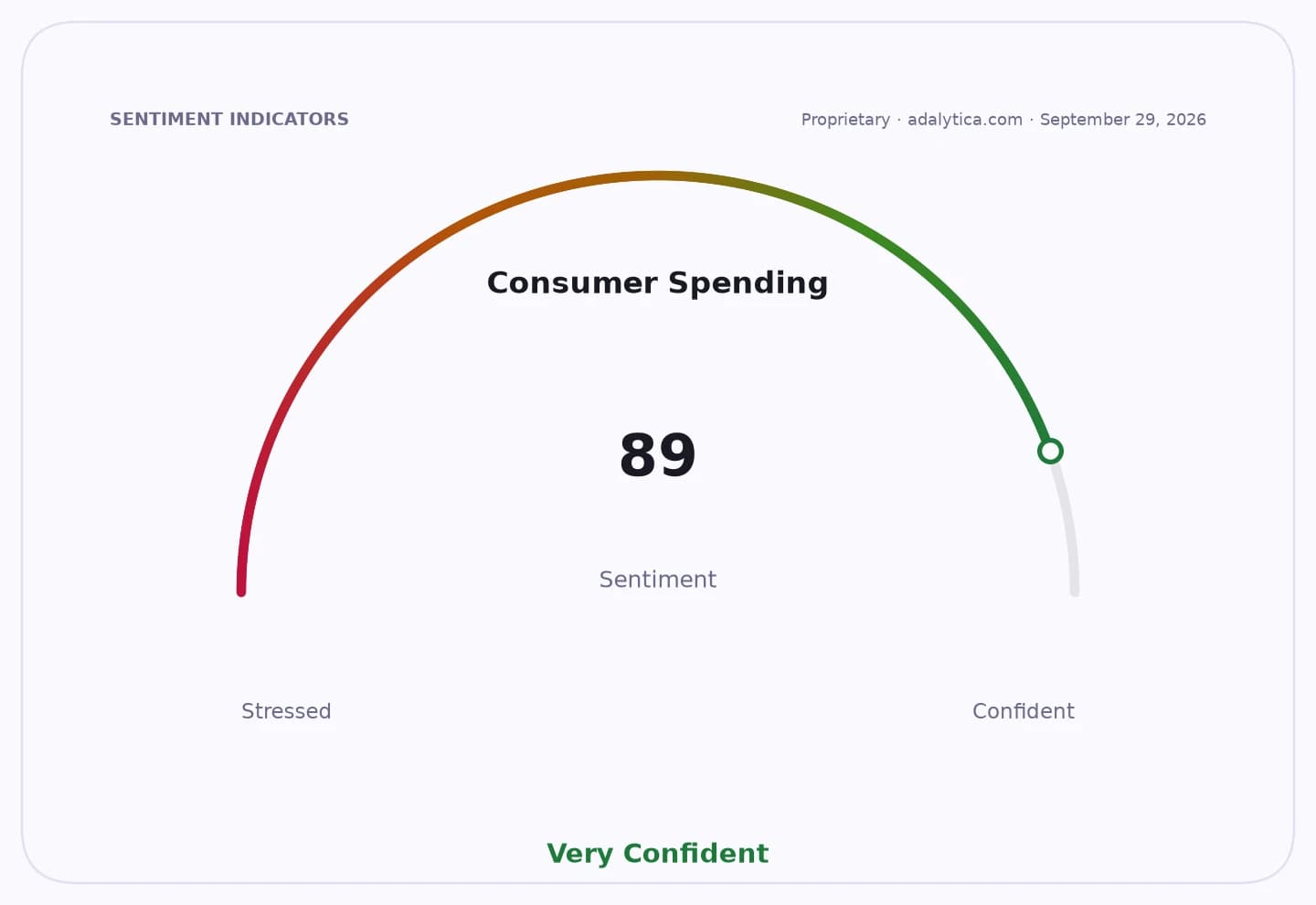
The timing also fits a consumer backdrop in which spending remains resilient but selective. Adalytica’s consumer spending sentiment sits at 100, or “Extreme Greed,” while the U.S. unemployment rate has hovered around 4.1% to 4.2%, suggesting households still have room to pay for convenience and savings if the proposition is clear. That helps Walmart, whose model is built on capturing value-oriented shoppers who want groceries, fuel discounts and delivery in one place.
The stock market has already rewarded Walmart for the membership story. Shares have risen above both the 50-day and 200-day moving averages, even after a recent pullback from higher levels, while momentum readings remain elevated. That suggests investors are still willing to pay for the retailer’s mix of defensive traffic, e-commerce scale and recurring fee income — but they will be watching whether this bundle translates into higher renewal rates, stronger digital engagement and better club utilization rather than simply cheaper access to the same benefits.
If the program works, Walmart could deepen customer stickiness across two formats that have traditionally served different shopping missions: Walmart’s everyday essentials and delivery network on one side, and Sam’s Club’s bulk-value warehouse model on the other. If it does not, the company may have to keep leaning on promotions to preserve growth in a business where membership economics are becoming just as important as merchandise sales.
| Entity | Gains | Losses |
|---|---|---|
| Walmart | ▲Higher member retention | ▼Lower fee yield per bundle |
| Shoppers | ▲Lower combined membership cost | ▼Less flexibility vs separate plans |
| Costco | ▲Premium club positioning | ▼More bundled competition |
| Amazon Prime | ▲Convenience subscriber model holds value | ▼Pressure from Walmart ecosystem |