Walmart’s new purse shaped like one of its best-known deli items is more than a novelty: it is another sign the retailer is turning fashion into a traffic and margin engine, and investors should pay attention.
Walmart fashion push and purse trend
The immediate story is not the bag itself, but what it represents. Walmart is pushing deeper into style-led, low-price apparel and accessories as it tries to win younger shoppers, lift basket sizes and narrow the fashion advantage Target has long enjoyed. In a sector where value alone is no longer enough, the ability to make cheap merchandise feel desirable can pull more customers into stores and online, then convert that attention into higher-margin discretionary sales.
Sentiment IndicatorsⓘProprietary · adalytica.com · August 31, 2026
This is a snapshot — live sentiment, awareness and momentum for 130+ markets update continuously in the dashboard.Open AlphaPulse
That matters economically because apparel and accessories are among the few retail categories where branding, trend and impulse can still move demand meaningfully. For a mass merchant like Walmart, even a small shift in mix toward trendier items can support sales growth without relying entirely on grocery, which remains the company’s core traffic driver. Walmart’s latest filing showed comparable sales rising 3.3% in the quarter, helped by groceries and a higher average ticket, underscoring that the company’s scale still rests on necessities. But the purse launch and the broader fashion push suggest management wants a larger share of the wallet from customers who would otherwise spend discretionary dollars elsewhere.
Investors should see this as part of a bigger strategic trade. Walmart has spent years narrowing the gap with specialty and off-price retailers by improving its online fulfillment, expanding marketplace offerings and upgrading store experience. Fashion is now a high-visibility test of whether Walmart can extend that operating model into categories where taste matters as much as price. If it works, the payoff is not just incremental revenue; it is better customer frequency, stronger loyalty and a richer merchandise mix.
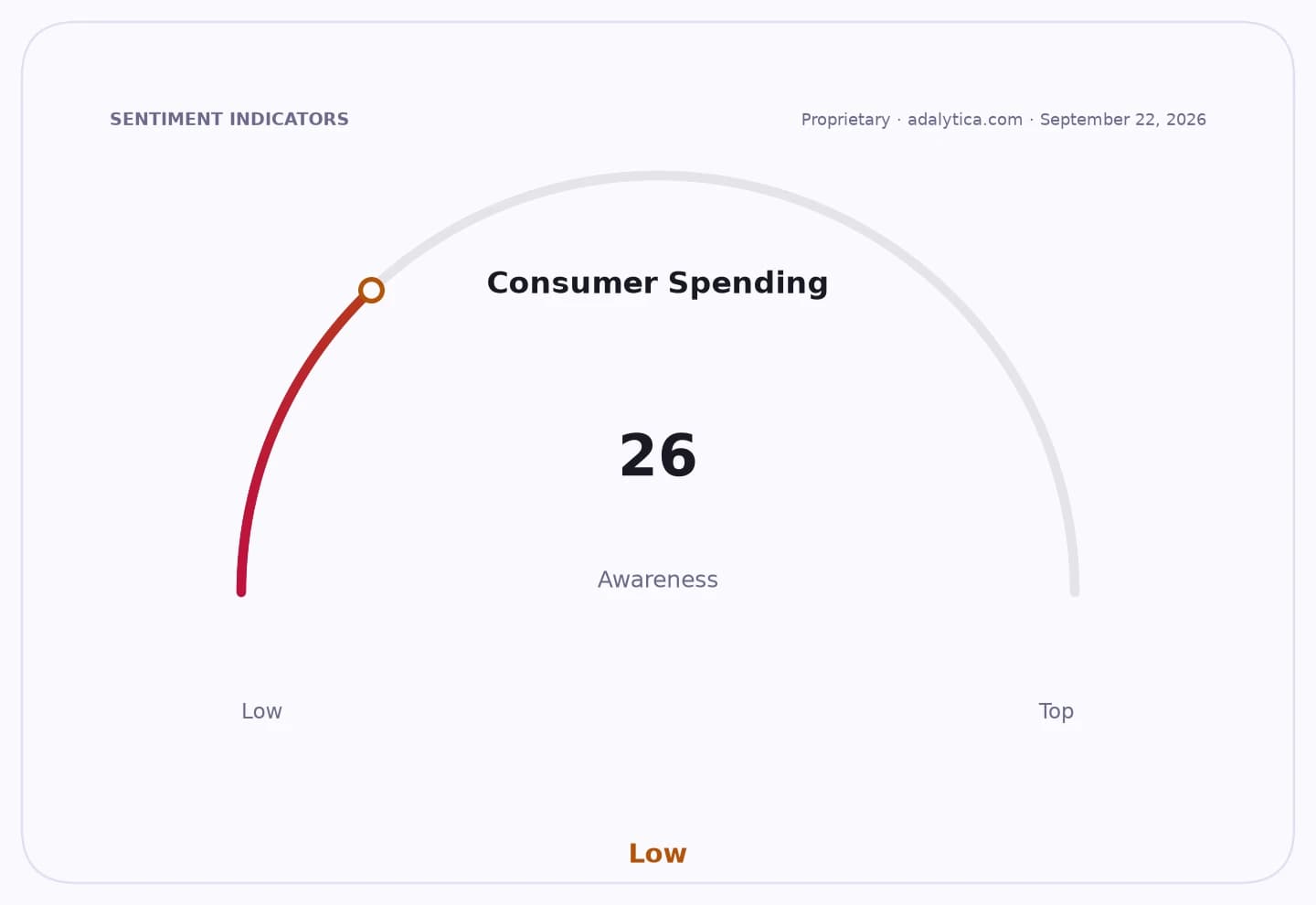
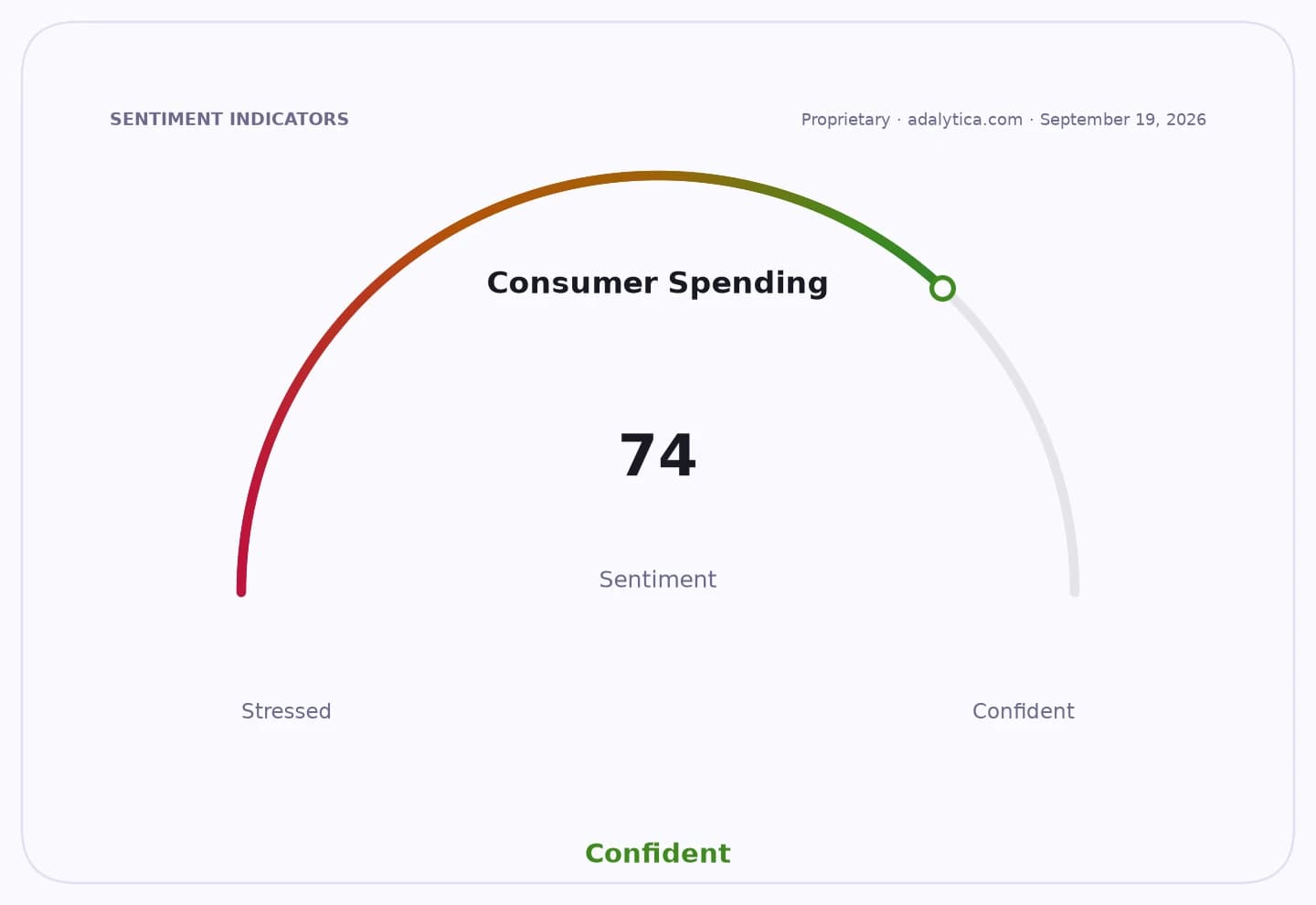
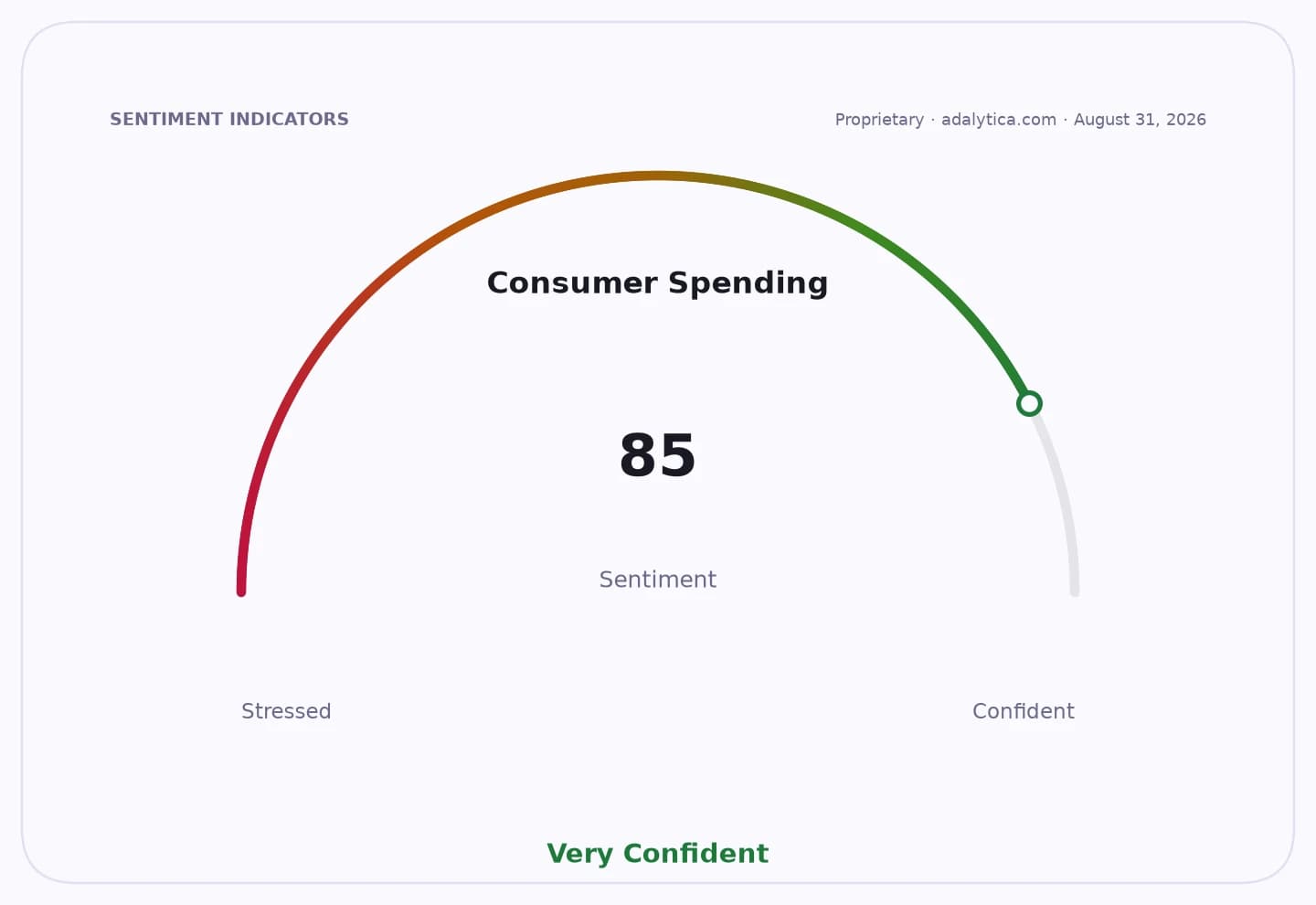
The stock market has already rewarded the idea that Walmart can be more than a defensive grocer. Shares were trading around $104.39 at the latest close, well below a recent high above $130, even as the company’s 50-day moving average sat near $111.5. On conventional technical measures, the stock’s RSI in the low 30s suggests it has cooled sharply after a stronger run, which leaves room for a rerating if the company keeps proving it can grow beyond basics. Adalytica’s earnings sentiment reading for Walmart has also rebounded to neutral after recent swings, while consumer spending sentiment remains elevated, a combination that favors retailers able to capture discretionary demand without sacrificing value.
The competitive angle is just as important. Target has long used trendier private-label fashion and accessories to build cultural relevance with younger shoppers. Walmart’s answer is to weaponize affordability and scale, using viral, low-cost items to make its fashion aisle feel more current. That can pressure Target if Walmart keeps translating online buzz into traffic, especially at a time when shoppers remain selective and promotional.
The broader lesson is that Walmart is not just selling a purse. It is trying to sell relevance, and relevance is often the cheapest way to drive market share. If the company can keep turning playful launches into repeat buying, the upside runs well beyond one quirky accessory. Investors looking for durable retail winners should watch whether Walmart’s fashion push becomes a real profit lever — because that would be a much bigger story than a handbag shaped like deli food.
| Entity | Gains | Losses |
|---|---|---|
| Walmart | ▲More traffic and richer mix | ▼Commodity-only perception |
| Target | ▲Less if trend edge holds | ▼Fashion differentiation |
| Younger shoppers | ▲Cheap, stylish novelty | ▼Higher-price alternatives |
| Short sellers | ▲Slower thesis if fashion works | ▼Re-rating risk |