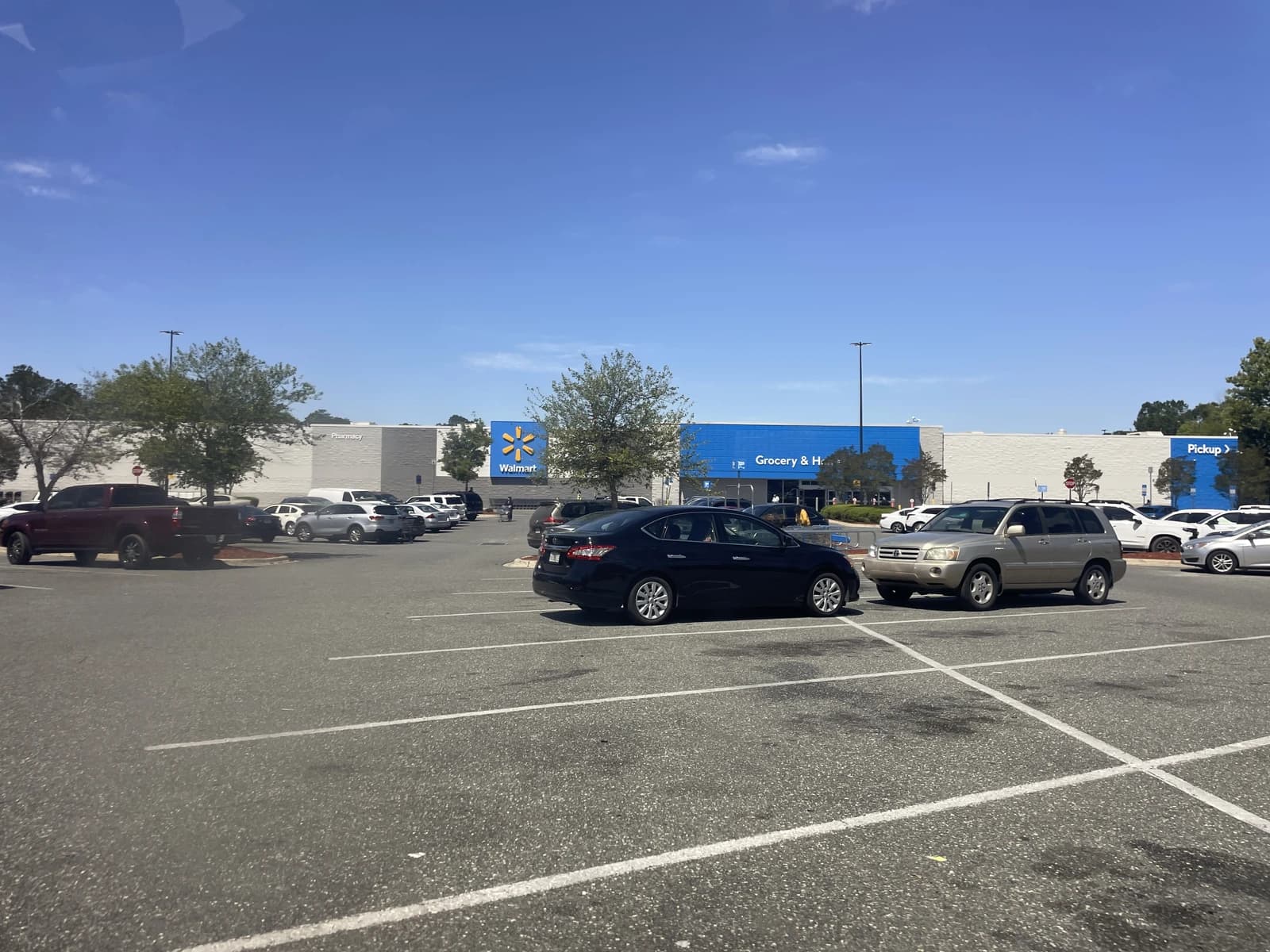
Walmart is doubling down on the infrastructure that now matters most in retail: speed, scale and control of fulfillment.
Walmart plans $1.3B Georgia fulfillment center

The world’s biggest retailer said it will build a $1.3 billion fulfillment center in Georgia, a move that underscores how aggressively Walmart is investing to shrink delivery times and lock in online demand even as consumer spending remains uneven. For investors, the message is bigger than one warehouse. It is a signal that the battle for e-commerce margins is shifting further into distribution networks, where the winners are the companies with the deepest logistics footprints and the ability to absorb rising shipping and fulfillment costs.
Sentiment IndicatorsⓘProprietary · adalytica.com · August 31, 2026
This is a snapshot — live sentiment, awareness and momentum for 130+ markets update continuously in the dashboard.Open AlphaPulse

That matters because fulfillment is no longer a back-office expense. It is the competitive moat. Walmart has already been telling investors that e-commerce shipping and fulfillment costs are weighing on operating expenses, even as revenue grows. Building another large automated node in the Southeast should help the company route inventory more efficiently, cut delivery distances and improve unit economics over time. In a business where pennies per order determine whether digital sales scale profitably, that can be worth far more than the headline cost of the project.
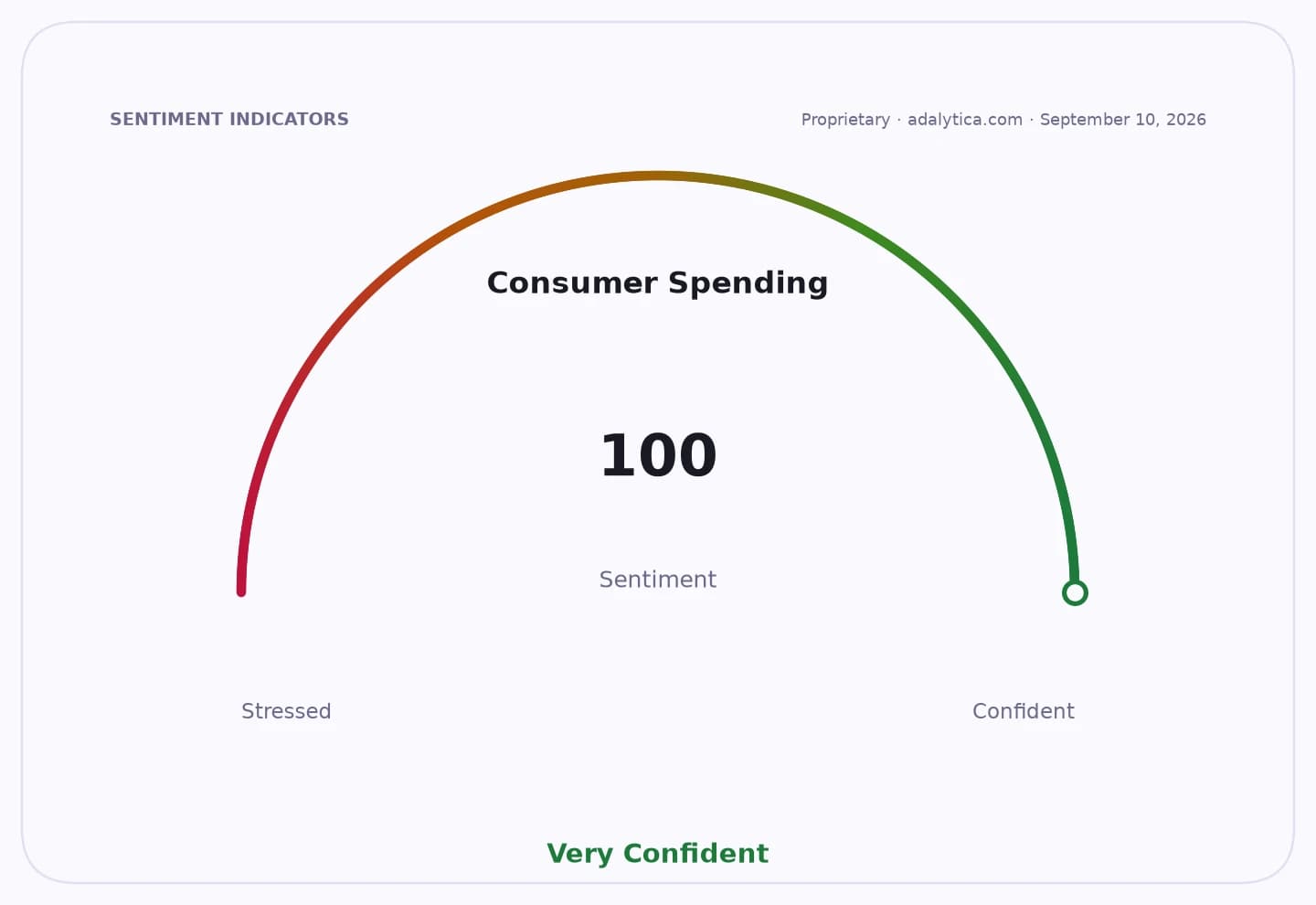
The timing also matters. U.S. industrial output is still expanding modestly, and consumer spending sentiment has stayed elevated in Adalytica.com’s Consumer Spending Sentiment snapshot, suggesting demand has not collapsed despite pockets of weakness in discretionary categories. Walmart is acting as if the next phase of retail growth will be won by whoever can make omnichannel distribution cheaper and faster, not by whoever simply has the most stores. That is a secular thesis, not a cyclical trade.

The market has already rewarded the stock for that strategy. Walmart shares have traded well above their 200-day moving average this year, reflecting investor confidence that its scale, grocery mix and logistics investments can protect margins better than most retailers. But the Georgia project also highlights a second-order trade: every major fulfillment buildout strengthens Walmart’s position against Amazon and pressures peers such as Target, which do not have the same balance-sheet flexibility or network density to match that pace of capex.
Amazon remains the clearest benchmark here. It also spends heavily to optimize fulfillment, and the competition between the two is increasingly a contest over logistics throughput rather than just merchandise. For suppliers, real estate owners and industrial developers, Walmart’s expansion is another validation of the warehouse and transportation buildout still underway across the U.S. For rivals, it is another reminder that scale in physical infrastructure is becoming even more valuable in the AI and automation era, when software can only go as far as the network behind it.
The investment takeaway is straightforward: Walmart’s Georgia fulfillment center is not just a capital project, it is a compounding advantage. I believe the market still underestimates how much value sits in the company’s logistics platform, and that makes Walmart a long-term winner in the retail infrastructure trade. The same capex that looks costly today can widen the moat tomorrow.
| Entity | Gains | Losses |
|---|---|---|
| Walmart | ▲Faster delivery; lower unit costs | ▼Higher near-term capex |
| Amazon | ▲Sector fulfillment discipline | ▼More logistics pressure |
| Target | ▲Benchmark for investment urgency | ▼Wider scale gap |
| Industrial/warehouse developers | ▲More buildout demand | ▼Less scarcity pricing |