Walmart is moving to remodel 650 stores across the US while pulling back from self-service checkout in a broader reset aimed at improving the in-store experience, protecting traffic and lifting conversion at a time when consumers remain cautious and retail competition is intensifying.
Walmart remodels 650 US stores, trims self-checkout

The overhaul matters because Walmart is the biggest US grocer and the country’s most influential mass merchant: when it changes how customers pay, pick up and move through stores, suppliers, rivals and landlords feel it. The remodeling push points to a strategy that favors service, speed and omnichannel convenience over pure labor savings, suggesting management sees enough demand to justify investing in physical stores even as e-commerce and digital payments become more central.
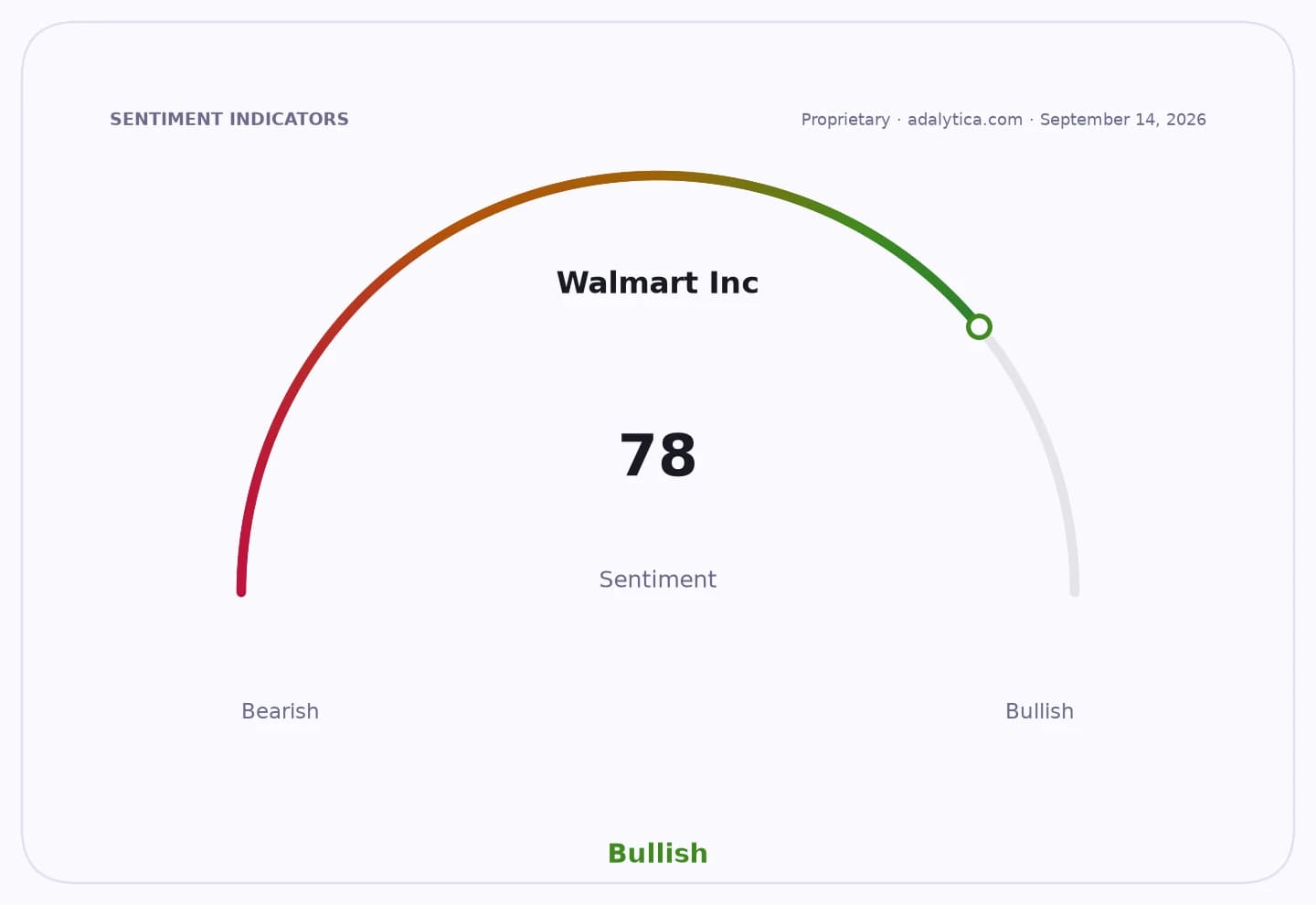
Sentiment IndicatorsⓘProprietary · adalytica.com · September 1, 2026
This is a snapshot — live sentiment, awareness and momentum for 130+ markets update continuously in the dashboard.Open AlphaPulse
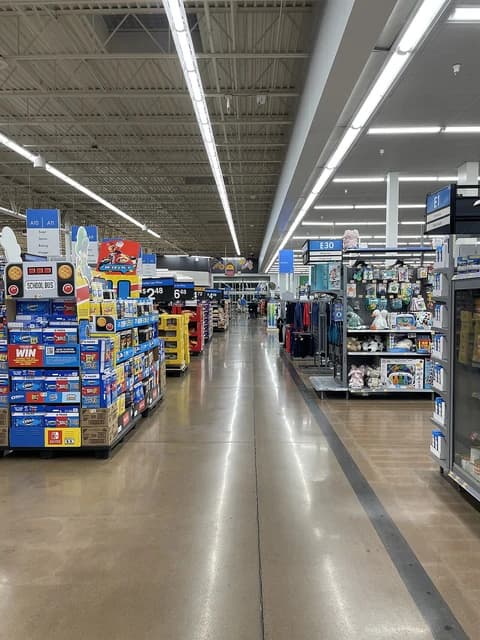
That shift fits a wider pattern in Walmart’s recent execution. The company has been leaning into digital capabilities, with contactless payments now being added to US stores and plans to extend them further, including gas stations. It also has been using store investments to support its online business, which has grown faster than core traffic in recent quarters. For Walmart, the logic is straightforward: if more shoppers are using stores as fulfillment hubs as well as shopping destinations, the quality of the store experience becomes a competitive advantage rather than a cost center.
The move away from self-checkout is also a tacit acknowledgement that automation is not always the cheapest answer when shrink, friction and customer dissatisfaction are taken into account. Self-checkout can reduce staffing costs, but it can also increase queue management issues and create pressure on basket size if shoppers abandon trips. By contrast, staffed lanes and better-designed stores can support higher conversion, more basket attachment and stronger loyalty — especially for a value-focused chain serving budget-conscious households.

For investors, the question is whether the spending improves sales productivity faster than it weighs on margins. Bulls will argue that store modernization can reinforce Walmart’s price leadership, keep it ahead of Target and other general merchandisers, and sustain grocery share gains as consumers continue trading down. Bears may see another sign that the retailer is accepting higher operating costs to defend service levels, at a moment when the stock has already run hard and valuation leaves less room for execution slips. The recent technical picture also suggests the shares have been volatile, with momentum cooling from earlier highs even as the longer-term trend remains firmer than at peers.
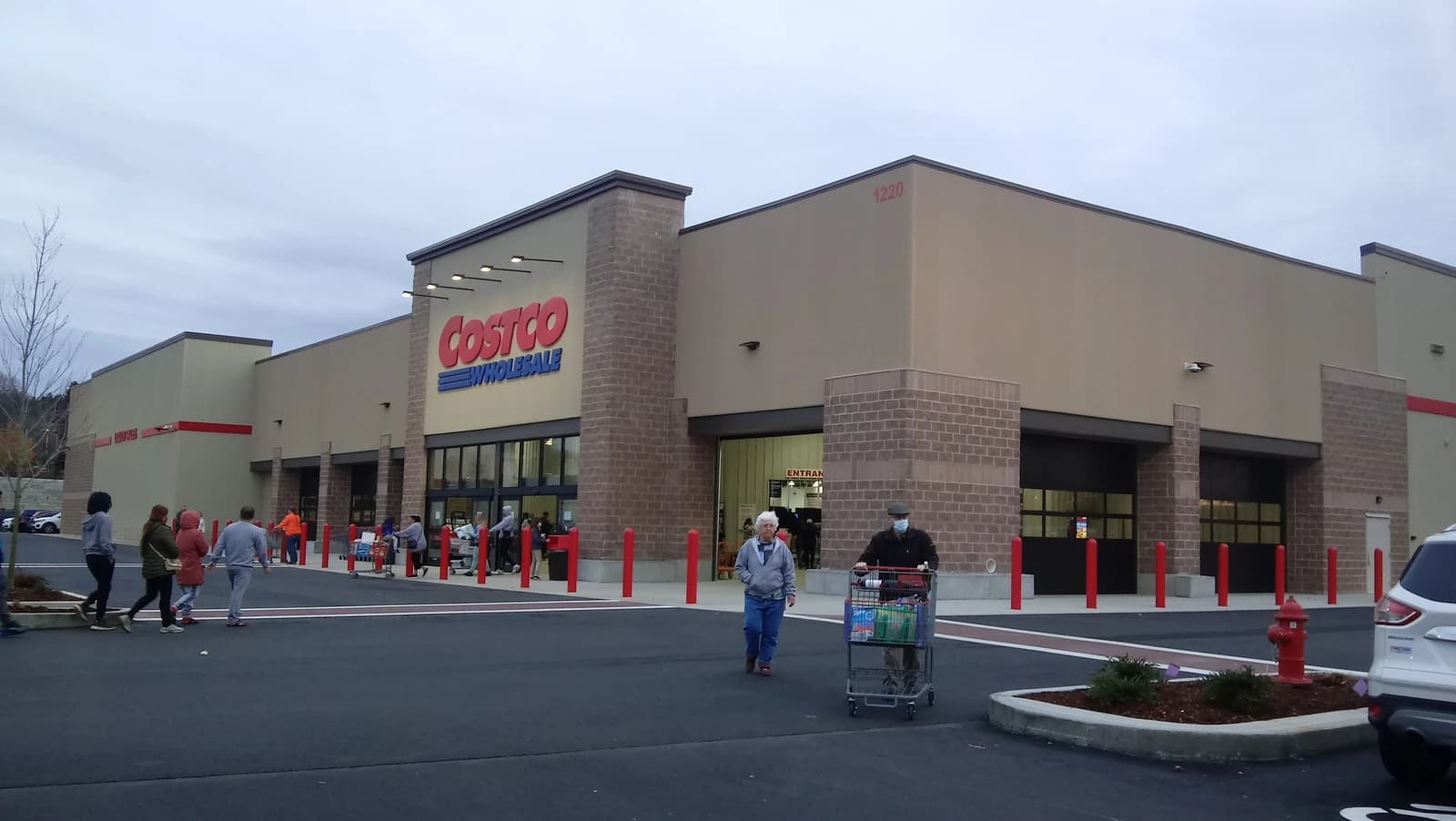
The competitive backdrop reinforces why the remodel matters. Target is still working through weaker traffic and more uneven demand, while Costco continues to draw shoppers with a membership model that rewards frequency and scale. Walmart’s advantage has been its ability to combine low prices with convenience. If the remodeling plan and payment upgrades make the chain easier to shop, it could widen that gap. If they simply add cost without improving throughput, margins could come under pressure.
The key catalyst now is whether Walmart can show that the capital program improves comparable sales, labor efficiency and digital engagement without eroding profitability. For a retailer that relies on razor-thin margins and high volume, small operational gains can move earnings materially. That makes the next updates on store productivity, customer adoption and same-store performance more important than the headline itself.
| Entity | Gains | Losses |
|---|---|---|
| Walmart | ▲Better traffic and loyalty | ▼Higher remodeling costs |
| Shoppers | ▲Easier checkout and service | ▼Fewer self-service options |
| Target | ▲Potentially faces tougher competition | ▼Risk of share loss |
| Costco | ▲Membership model looks stronger | ▼Less advantage from convenience |