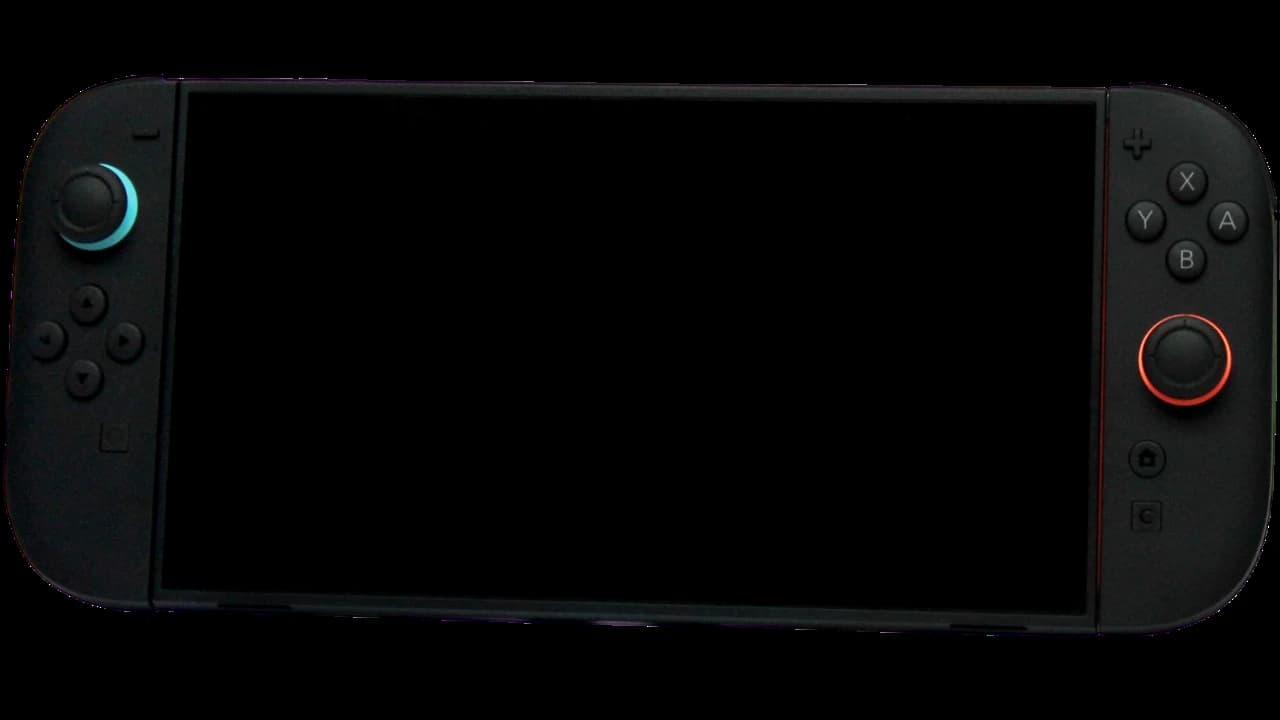
Walmart is turning the Nintendo Switch 2’s storage problem into an easy accessory sale, and that matters because consoles rarely stop at the sticker price. A 512GB Onn microSD Express card is listed at $84.77, or as low as $74.77 with an unadvertised coupon, giving Switch 2 owners a cheap way to expand beyond the console’s built-in 256GB of storage.
Walmart lists Switch 2 microSD card deal
That may sound like a minor promotion, but it highlights an important part of the gaming business: once a new console gains traction, the ecosystem around it can become just as valuable as the hardware itself. For Nintendo, the Switch 2’s limited onboard storage is creating a natural market for higher-capacity memory cards. For Walmart, it is a way to capture margin on an add-on product that shoppers are likely to need sooner rather than later.
The case for buying storage early is getting stronger as the Switch 2 library grows. Games such as Final Fantasy XIV, which reportedly takes about 117GB, can fill nearly half the system’s internal memory on their own. Other large downloads like Final Fantasy VII Remake Intergrade, Cyberpunk 2077 and Hyrule Warriors: Age of Imprisonment quickly eat through space as well. If you plan to build a serious Switch 2 library, the stock storage will not last long.
That is where the economics get interesting for long-term investors. Accessories are often a hidden profit engine in consumer electronics, because they are recurring, high-frequency purchases attached to a sticky platform. Nintendo benefits when its ecosystem stays active. Retailers like Walmart benefit when customers come back for memory cards, controllers, cases and game downloads. In other words, a $75 storage card is not just a convenience purchase — it is evidence that the Switch 2 can support a broader spending cycle.
The fine print on Walmart’s coupon also shows how retailers are still using promotions to pull in new online customers and drive basket size. The code works on pickup or delivery orders over $35, which makes the memory card easier to cross-sell with other items. For Walmart, that is exactly the kind of behavior it wants: a shopper who comes for one gaming accessory and leaves with a larger order.
For investors, the bigger takeaway is that Nintendo’s hardware launch is creating a durable aftermarket, and Walmart is positioning itself to benefit from it. That is the sort of slow-burn opportunity patient investors should watch in consumer tech retail — not because a single memory card will move earnings, but because these small purchases add up across millions of console owners.
If the Switch 2 continues to sell well and its game sizes keep climbing, storage accessories should remain in demand. For shoppers, the message is simple: if you are buying a Switch 2, plan for extra memory. For investors, Walmart’s deal is another reminder that the best businesses often make money well beyond the headline product. Worth watching.
| Entity | Gains | Losses |
|---|---|---|
| Walmart | ▲accessory sales | ▼price-sensitive rivals |
| Nintendo Switch 2 owners | ▲cheaper storage | ▼limited onboard memory |
| Nintendo | ▲stronger ecosystem spending | ▼buyers frustrated by storage limits |
| Other retailers | ▲none | ▼lost deal traffic |