Walmart’s $269 price tag on Acer’s 27-inch Nitro QD-OLED gaming monitor is a reminder that premium display technology is moving out of the luxury aisle and into mainstream shopping carts.
Walmart sells Acer 27-inch QD-OLED monitor for $269
That matters because OLED has long been one of the most desirable upgrades for gamers, combining true blacks, fast response times and richer color with the kind of 240Hz refresh rate that used to command far higher prices. At under $300, this Acer panel is effectively compressing the timeline for adoption: what was once a high-end enthusiast purchase is starting to look like a mass-market upgrade.
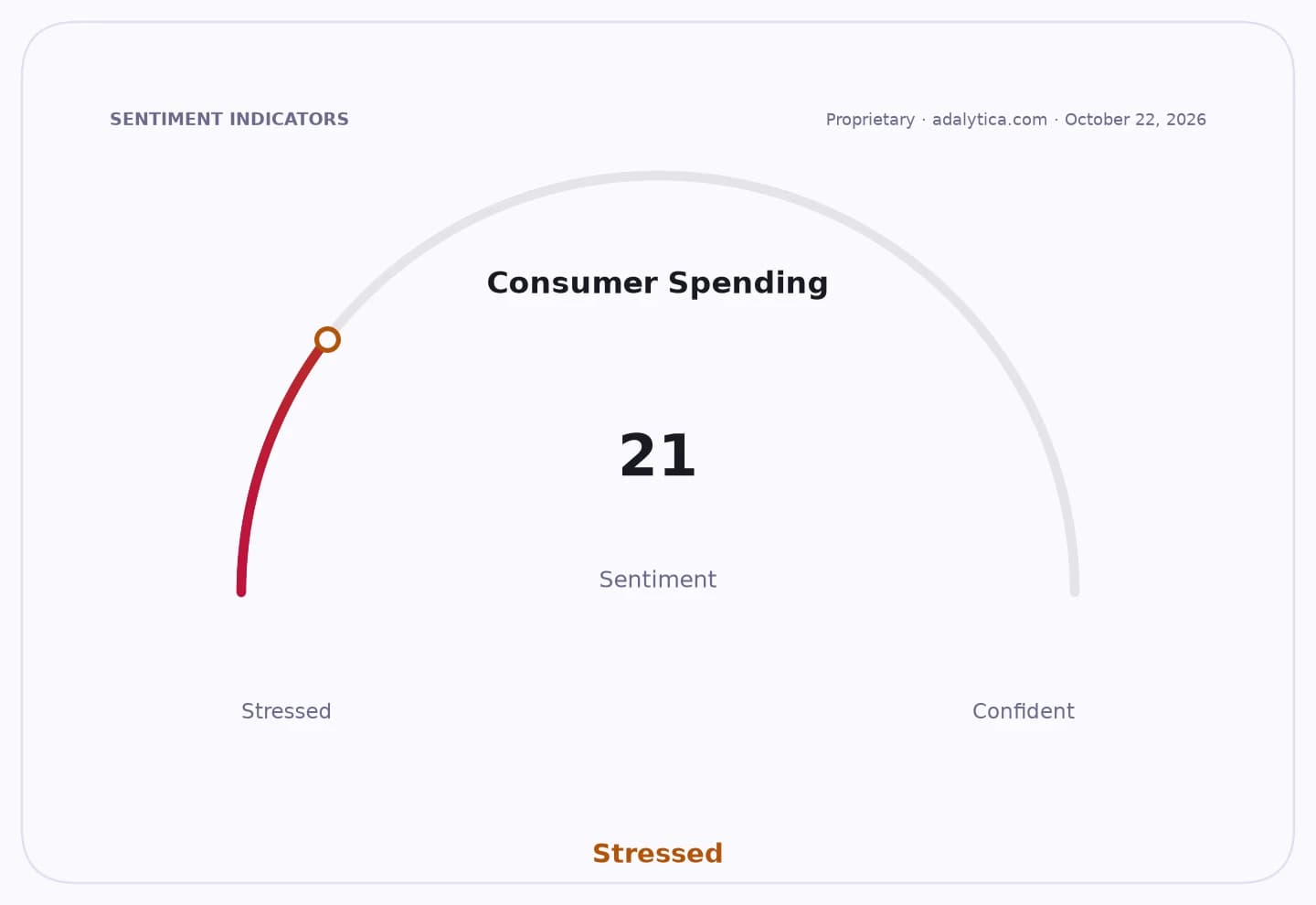
Sentiment IndicatorsⓘProprietary · adalytica.com · October 6, 2026
This is a snapshot — live sentiment, awareness and momentum for 130+ markets update continuously in the dashboard.Open AlphaPulse
For investors, the big takeaway is not just a good deal at Walmart. It is the way competition, inventory pressure and holiday promotions are accelerating price erosion in consumer electronics. When a 27-inch QD-OLED monitor with a 2560x1440 resolution and a 240Hz native refresh rate can show up at this price, it tells you manufacturers and retailers are willing to sacrifice margin to move advanced hardware. That can be good for consumers and for unit volumes, but it tends to be tougher on pricing power across the display supply chain.
The broader gaming hardware market is built on this kind of cycle. As panels get better and cheaper, more buyers move up from ordinary LCD monitors to OLED, especially gamers chasing faster motion handling for first-person shooters and competitive titles. Acer’s three-year warranty and support for FreeSync only make the package more appealing for buyers looking for a long-term setup, not a throwaway bargain.
For Walmart, the deal also reinforces its position as a destination for value-conscious electronics shoppers heading into the holiday season. Retailers that can combine aggressive pricing with free shipping tend to win traffic, even if the margin on a single item is slim. In a market where consumers are still selective, that traffic can spill over into other purchases.
For long-term investors, the monitor itself is less important than the trend it represents: premium gaming gear is becoming more accessible, and that should keep the category growing. The risk is that relentless discounting squeezes suppliers and keeps profits uneven. But for shoppers and patient investors who want exposure to the secular rise of gaming and PC upgrades, this is exactly the kind of product evolution worth watching.
| Entity | Gains | Losses |
|---|---|---|
| Walmart | ▲Traffic and basket size | ▼Margin on the deal |
| Acer | ▲Higher unit sales | ▼Pricing power |
| Gamers | ▲Premium OLED at a lower price | ▼Less room for future discounts |
| Display makers | ▲Faster adoption of OLED | ▼Short-term revenue pressure |