Nintendo is raising repair charges for the Switch 2 in Japan by as much as 9,900 yen, a move that underscores the cost pressure facing one of its most important hardware lines even as the console remains in strong demand.
Nintendo raises Switch 2 repair fees in Japan
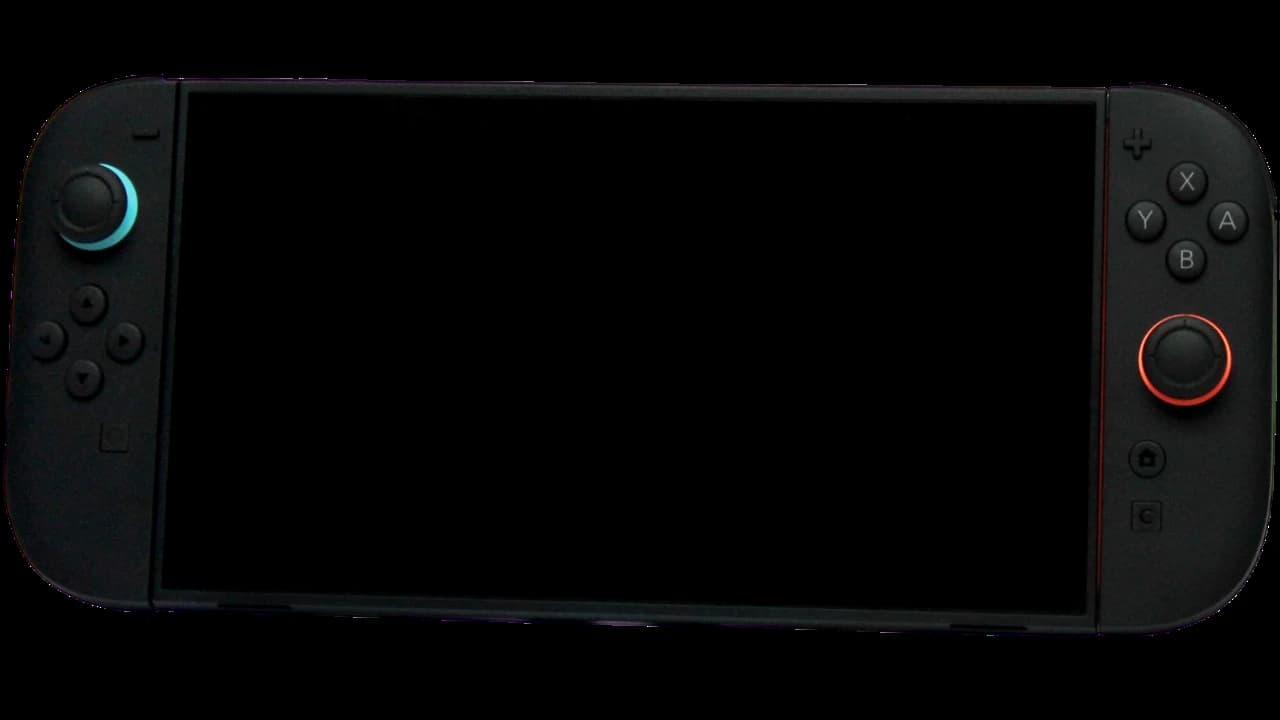
The company said on its Japanese repair page that the new fees reflect higher parts costs, with the revision taking effect for units that arrive at Nintendo after Nov. 15. That means the price change is tied to when the device reaches Nintendo, not when a customer files the request.
Sentiment IndicatorsⓘProprietary · adalytica.com · October 21, 2026
This is a snapshot — live sentiment, awareness and momentum for 130+ markets update continuously in the dashboard.Open AlphaPulse
For the Switch 2, an LCD unit replacement for cracked screens or touch failures rises to 16,500 yen from 15,400 yen. Repairs for damaged game-card slots, faulty USB-C ports and battery replacement increase to 11,000 yen from 9,900 yen, while headphone jack problems or SD card recognition issues climb to 8,250 yen from 7,150 yen. Nintendo also lifted repair fees for the original Switch, including a 1,100 yen increase for LCD-related work and a 9,900 yen charge for CPU board repairs.
The economics matter because repair pricing is part of the post-sale revenue model for console makers, and higher service costs can feed into broader hardware margin pressure when component prices rise. Nintendo did not disclose which parts became more expensive, but the company’s decision suggests it is passing through at least part of the increase rather than absorbing it.
Investors will also read the move alongside the company’s aggressive hardware pricing strategy. Nintendo already raised the Switch 2 launch price in Japan to 59,980 yen from 49,980 yen in May, and Nintendo Korea later lifted the suggested retail price of the Switch 2 to 758,000 won from 648,000 won, about 17% higher. The latest repair increase reinforces the view that the company is defending profitability across the product cycle as supply-chain and component inflation persist.
The stock has also been under pressure, with Nintendo’s Tokyo-listed shares down sharply from earlier highs, even after a recent rebound. Standard technical indicators show the shares have recovered above both the 50-day and 200-day moving averages, while the RSI has moved into overbought territory, suggesting the market is watching closely for signs that pricing actions can offset cost inflation.
Warranty coverage remains unchanged for defects that appear during normal use within the one-year period from initial setup, limiting the impact to out-of-warranty repairs. The next focus for investors will be whether the higher repair fees, alongside console price increases, help protect margins without denting consumer demand for the Switch 2.
| Entity | Gains | Losses |
|---|---|---|
| Nintendo | ▲Higher repair revenue | ▼Customer pushback risk |
| Switch 2 owners | ▲Warranty coverage | ▼Higher out-of-warranty costs |
| Original Switch users | ▲Continued support | ▼More expensive repairs |
| Hardware margins | ▲Partial cost pass-through | ▼Inflation pressure remains |