Israel’s backing of settler-led heritage projects in the West Bank is accelerating a contest over land, water and facts on the ground that deepens Palestinian economic pressure and raises the political risk premium around the occupied territory.
West Bank Settler Heritage Projects and Water Access
At the center is a pattern that goes beyond an isolated pool near Fasayil. Settlers have illegally diverted spring water feeding Palestinian farmland to fill an ancient reservoir they have branded as a tourist site, while the Israeli government is expanding funding for excavations and infrastructure at more than 100 locations it says are tied to Jewish history. For Palestinians in the Jordan Valley, where agriculture and low-cost water access are essential to local incomes, the result is lost irrigation, shrinking tourism and faster displacement.
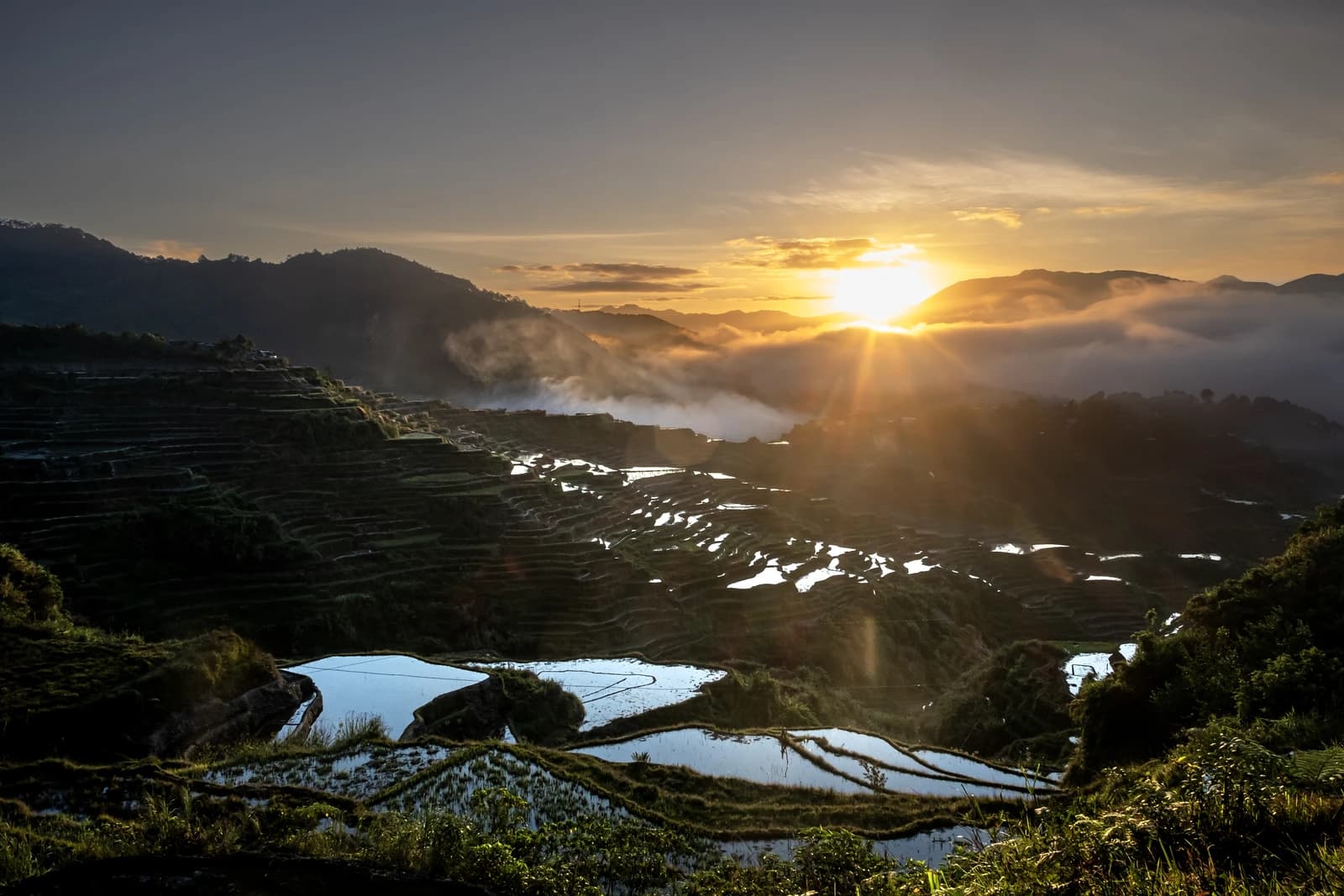
The stakes are economic as much as territorial. Water is the binding constraint in one of the West Bank’s most fertile strips of land, and any loss of spring access quickly translates into abandoned fields, lower output and weaker household cash flow. Palestinian farmer Saad Nemer said the cutoff from the Fasayil spring has devastated his land, while in Al Auja farmers say orchards and vegetable plots have been left idle after settlers took control of local springs. In a region where interim peace accords preserved a system that still leaves about 80% of aquifer water for Israeli use, the growing seizure of shared water infrastructure compounds an already unequal allocation.
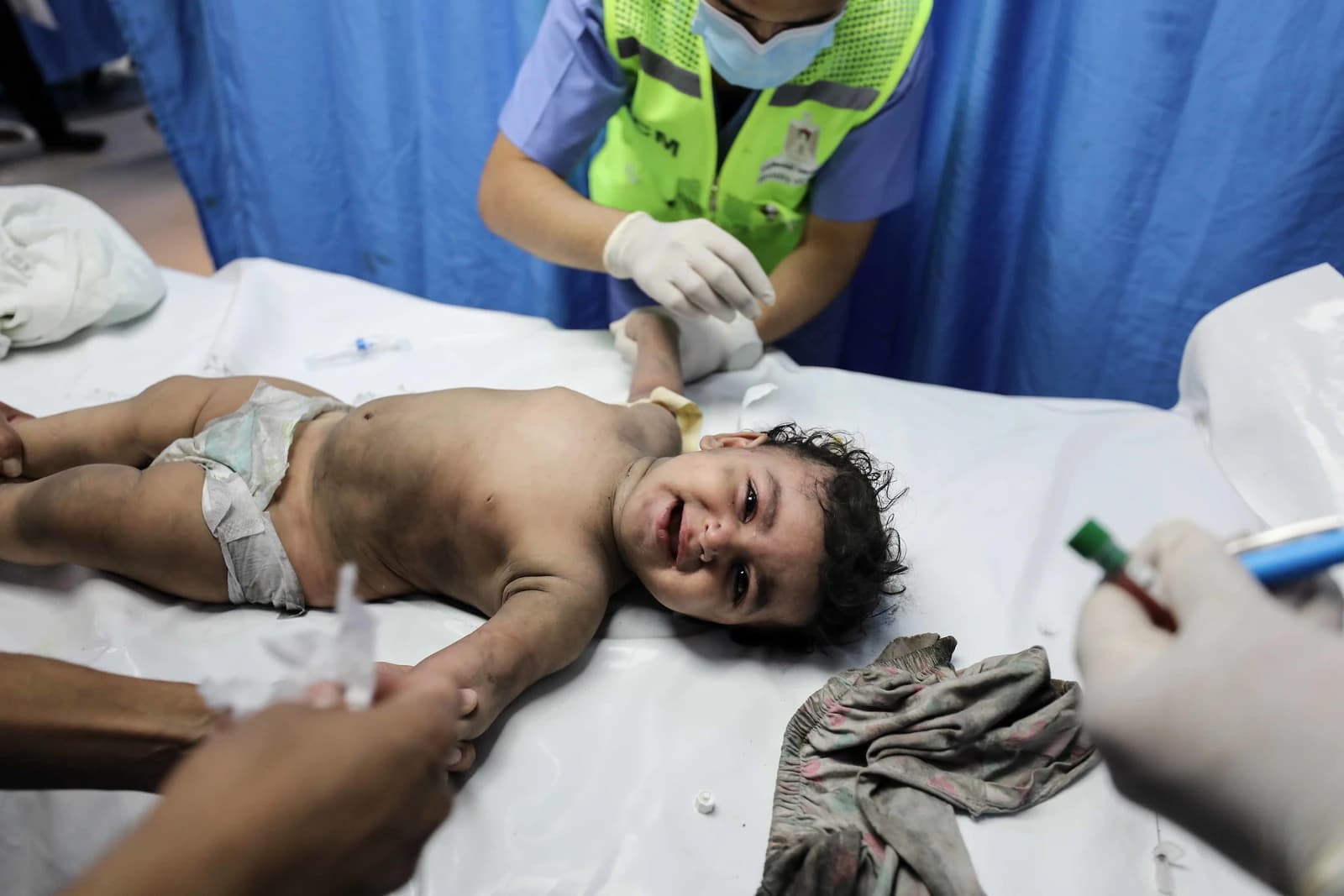
The humanitarian tally is worsening. The UN Office for the Coordination of Humanitarian Affairs said settlers damaged, destroyed or seized about 160 water and sanitation structures in Palestinian communities this year, including pipelines and cisterns, and that attacks are increasingly disrupting supply to whole communities. That matters for investors and policymakers because it signals rising operational risk in a territory where agriculture, infrastructure spending and security conditions are tightly linked. It also increases the chance of further diplomatic friction, which can spill into regional risk assets through headlines rather than fundamentals.
The Israeli government’s role makes the issue more than fringe settler activism. Heritage Minister Amichai Eliyahu said about $1 million has been earmarked to rehabilitate the Fasayil site and that at least $166 million is being allocated for archaeological work and infrastructure at sites he described as linked to Jewish heritage in the West Bank. His comments, and the broader funding push, reinforce what rights groups describe as an effort to recast contested land through archaeology and tourism rather than formal annexation. For supporters, the investments strengthen historical claims and build visitor infrastructure. For critics, they normalize land appropriation under the cover of preservation.
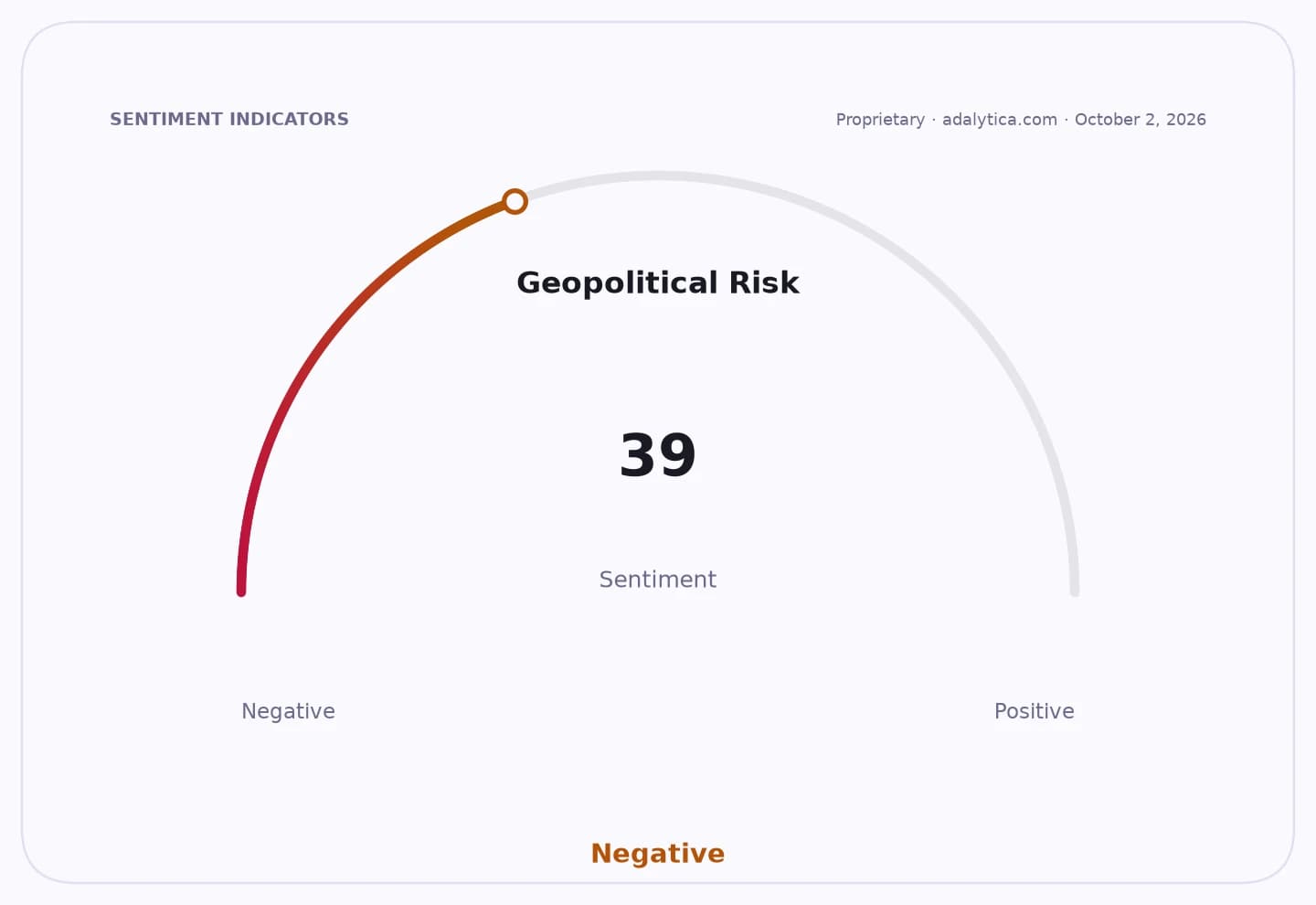
That split helps explain why the issue matters to markets even though it is not a tradable event in the usual sense. Persistent instability in the West Bank can weigh on Israeli risk sentiment, complicate relations with the U.K. and other allies, and keep pressure on already fragile regional confidence. Adalytica’s Global Stability Sentiment gauge is at 39, with awareness at 4, indicating extreme fear and a sharp one-day drop, underscoring how quickly geopolitical developments can darken the broader backdrop.
For investors, the immediate implications are indirect but real: higher political noise, greater scrutiny of Israel-linked assets, and continued stress on Palestinian economic activity in sectors that depend on water, land access and tourism. The next catalysts are whether COGAT’s investigation into the unauthorized diversion leads to enforcement, whether the October survey at the Fasayil pool turns into a formal heritage project, and whether settler pressure spreads further across the Jordan Valley.
| Entity | Gains | Losses |
|---|---|---|
| Israeli settlers | ▲More control of sites | ▼Legal and diplomatic scrutiny |
| Palestinian farmers | ▲None | ▼Water access and crop output |
| Israeli government | ▲Heritage narrative | ▼International criticism |
| Jordan Valley communities | ▲Limited tourism spillover | ▼Farmland, jobs and water supply |