West Java’s inflation remained contained in October even as sharp gains in chilies and tomatoes pushed consumer prices up 0.2% from the previous month, underscoring how volatile food supplies are still driving the province’s price pressures.
West Java inflation stays at 2.90% in October
The province’s annual inflation rate held at 2.90% in October, with year-to-date inflation at 2.31% and the consumer price index at 112.69, according to the West Java statistics office, BPS. Officials said the reading is still within the controlled target range, even after food, beverages and tobacco added the biggest monthly contribution to inflation.
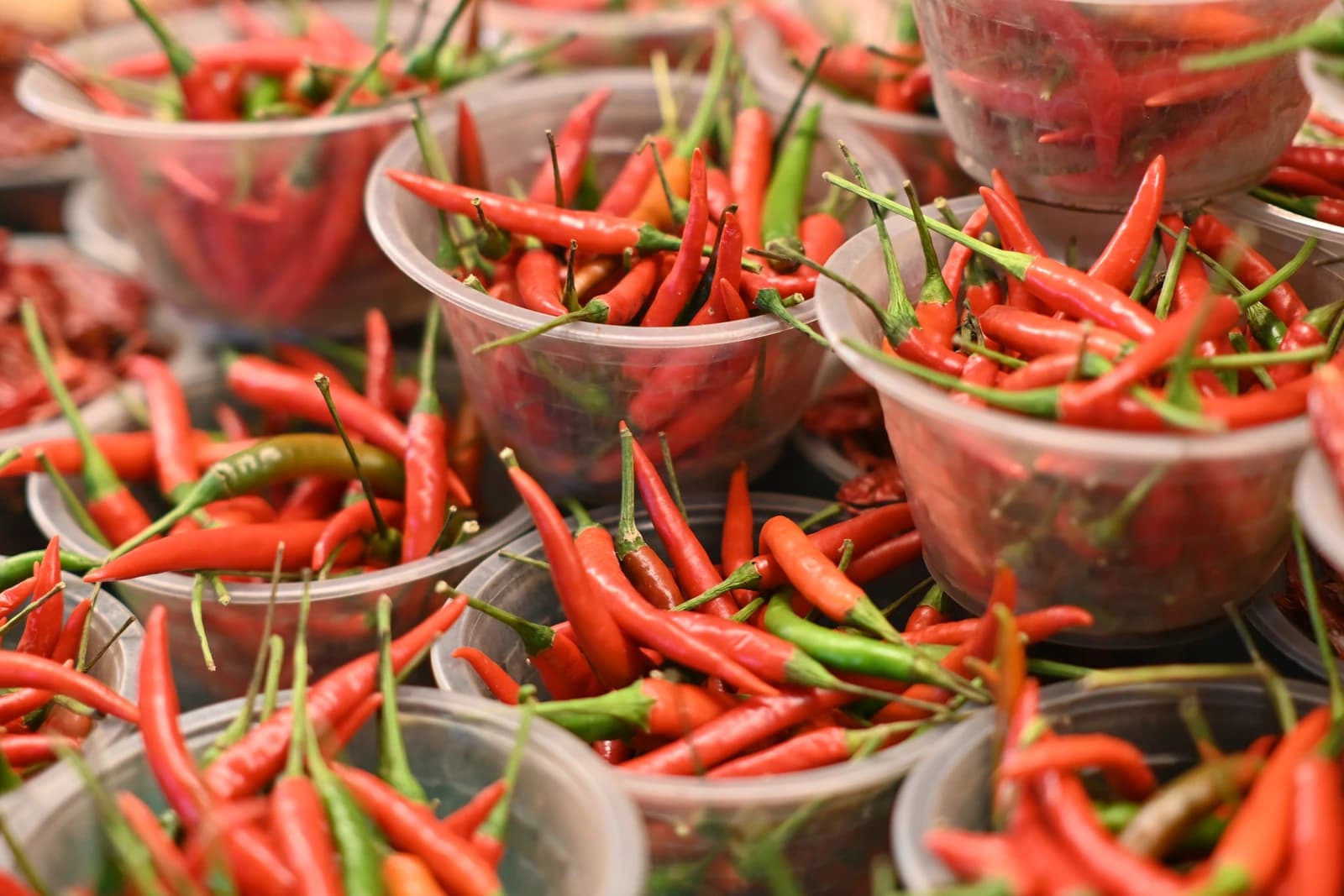
Cabai rawit, cabai merah and tomatoes led the increase as prolonged dry weather and a patek fungal outbreak constrained supply of horticultural crops. BPS said the food, beverage and tobacco group rose 0.41% on the month, contributing 0.12 percentage point to headline inflation.
The inflation print matters for Indonesia because food prices remain the most immediate pressure point for households and a key test of regional price stability. West Java is one of the country’s largest consumer markets, so even modest moves in vegetables and staples can feed into broader inflation expectations and influence policy responses from local authorities.
There were some offsets. Prices for broiler chicken and eggs fell on ample supply, while jewelry prices eased with global gold. Rice, which had been a major inflation driver in earlier months, also began to trend lower in October, helping prevent a larger increase.
Across the province, annual inflation was highest in Cirebon at 3.02% and lowest in Majalengka at 2.62%. On a monthly basis, Bogor posted the strongest inflation at 0.35%, while Bandung recorded the weakest at 0.08%.
BPS said the regional inflation control team should stay alert ahead of year-end holidays, when demand usually rises and can put fresh pressure on horticultural prices during the seasonal transition.
| Entity | Gains | Losses |
|---|---|---|
| West Java consumers | ▲Stable overall inflation | ▼Higher vegetable bills |
| Chili and tomato farmers | ▲Better pricing power | ▼Supply disruptions and crop damage |
| TPID West Java | ▲Lower risk of runaway inflation | ▼Pressure to intervene before year-end |
| Poultry and rice buyers | ▲Cheaper essentials | ▼Producers facing softer prices |