Bangka Belitung’s inflation cooled in October, but Bank Indonesia is warning the respite may be temporary as seasonal demand and food-price swings loom into year-end.
Bangka Belitung Inflation Cools as Year-End Risks Remain
The province’s year-on-year inflation eased to 3.36% from 4.30% in September, while consumer prices actually fell 0.41% month on month, according to the local statistics agency. The reading is still within Indonesia’s 2.5% plus/minus 1 percentage point target, giving policymakers some room to argue that price stability remains intact even as households continue to face higher living costs than a year ago.
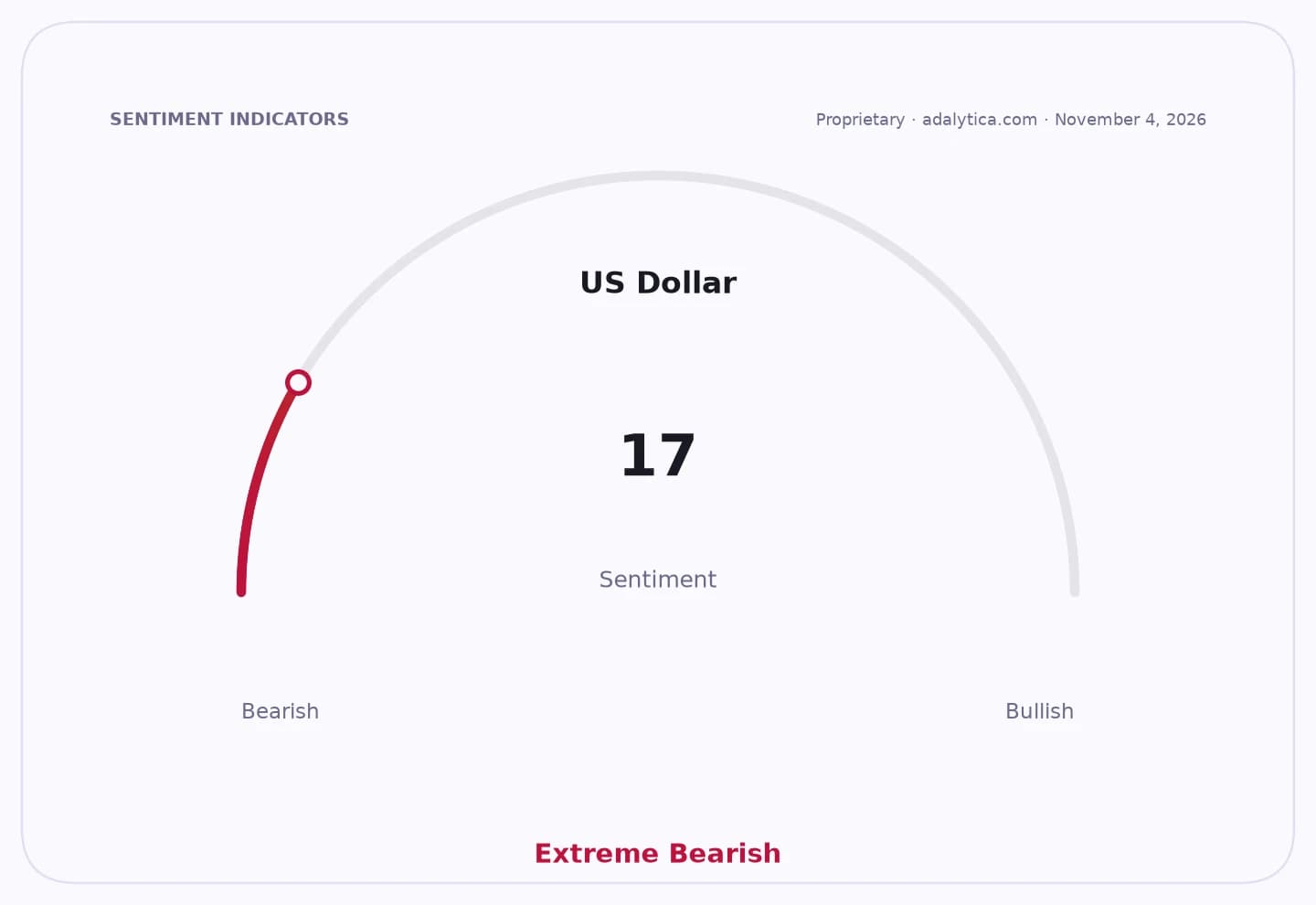
Sentiment Indicators
The drop was driven mainly by food, beverages and tobacco, with chicken prices leading the decline after several months of gains. Fish prices also fell as calmer weather improved catch conditions, helping ease pressure on a category that tends to move sharply in a maritime economy such as Bangka Belitung. Bank Indonesia’s provincial office said those movements were the main reason October registered deflation.
For investors and policymakers, the key point is not just that inflation softened, but that it did so from a still-elevated annual rate. That leaves the province vulnerable to renewed spikes as the year-end period approaches, when household spending typically rises and food supply disruptions can quickly feed into retail prices. BI’s caution reflects that risk: a single month of deflation does not necessarily mark a durable disinflation trend.
The regional split also matters. Deflation was deepest in Belitung’s Tanjungpandan district at 1.31%, followed by Pangkalpinang at 0.55% and East Belitung at 0.27%, while West Bangka still recorded inflation of 0.33%. That divergence suggests local supply and demand conditions remain uneven, limiting how quickly the broader province can rely on lower prices to support real purchasing power.
The narrative for markets is one of modest relief, not victory. Lower food inflation should help household consumption at the margin and support the policy case for keeping interest rates steady, but year-end pricing pressure remains the risk to watch. If food costs turn up again in November and December, the current easing could prove short-lived.
| Entity | Gains | Losses |
|---|---|---|
| Households in Babel | ▲Slightly lower food prices | ▼Higher year-end price risk |
| Bank Indonesia | ▲Evidence inflation is easing | ▼Need to guard against renewed spikes |
| Food consumers | ▲Relief from cheaper chicken and fish | ▼Exposure to seasonal volatility |
| West Bangka | ▲Mild inflation momentum | ▼Benefit from province-wide disinflation |