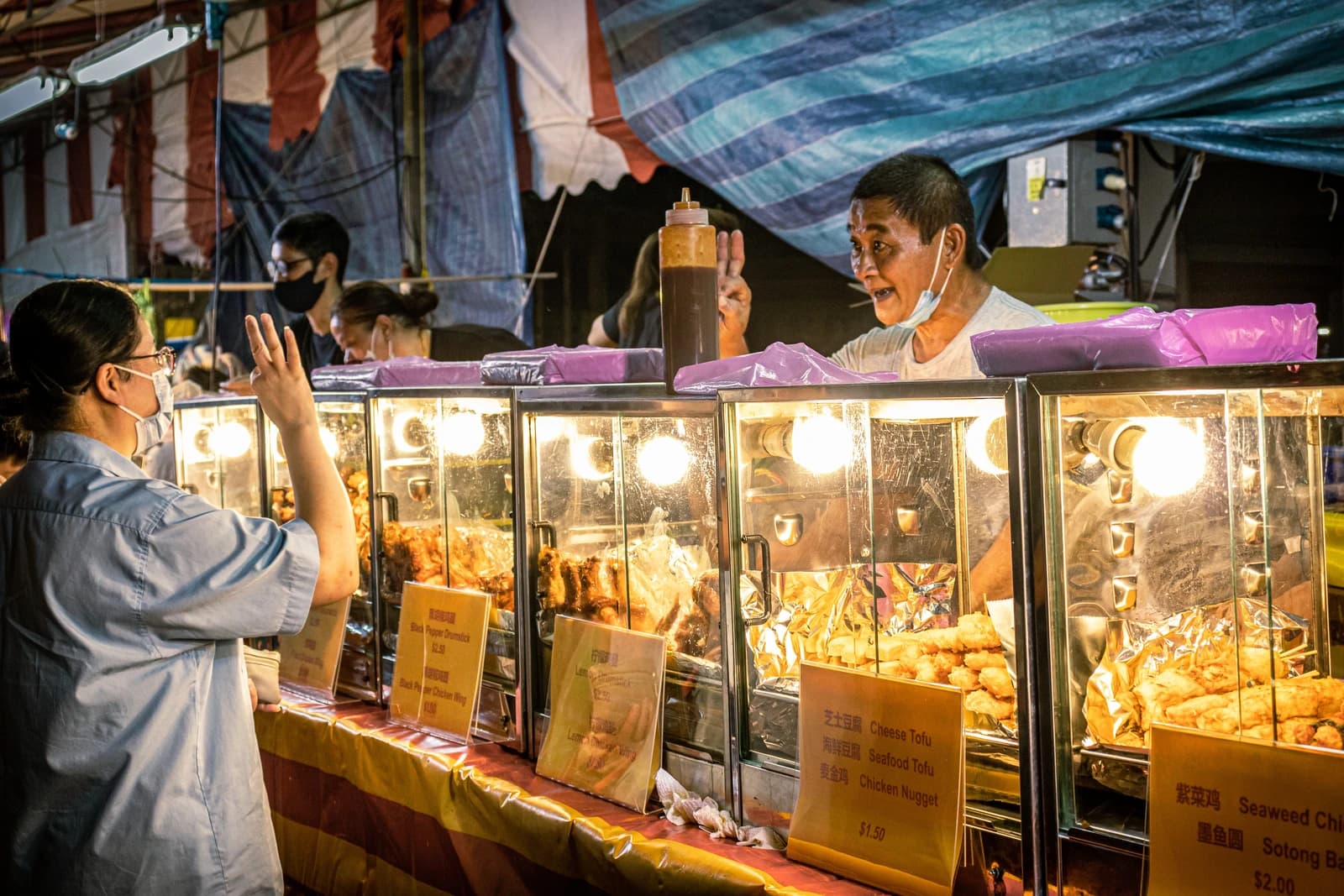
Inflation for the poorest households in Western Visayas accelerated sharply in July, deepening pressure on families already spending a larger share of their income on food and other essentials.
Western Visayas Poor-Household Inflation Hits 9.8%
Government data showed price growth for the bottom 30 percent of households in the region rose to 9.8 percent from a year earlier, up from negative 1.1 percent in the same month last year and well above the 8.2 percent national rate for the same income group. In Iloilo province, the region’s biggest price hotspot, poor-household inflation climbed to 12.5 percent from 9.3 percent in June, underscoring how quickly living costs are rising in some provincial markets.
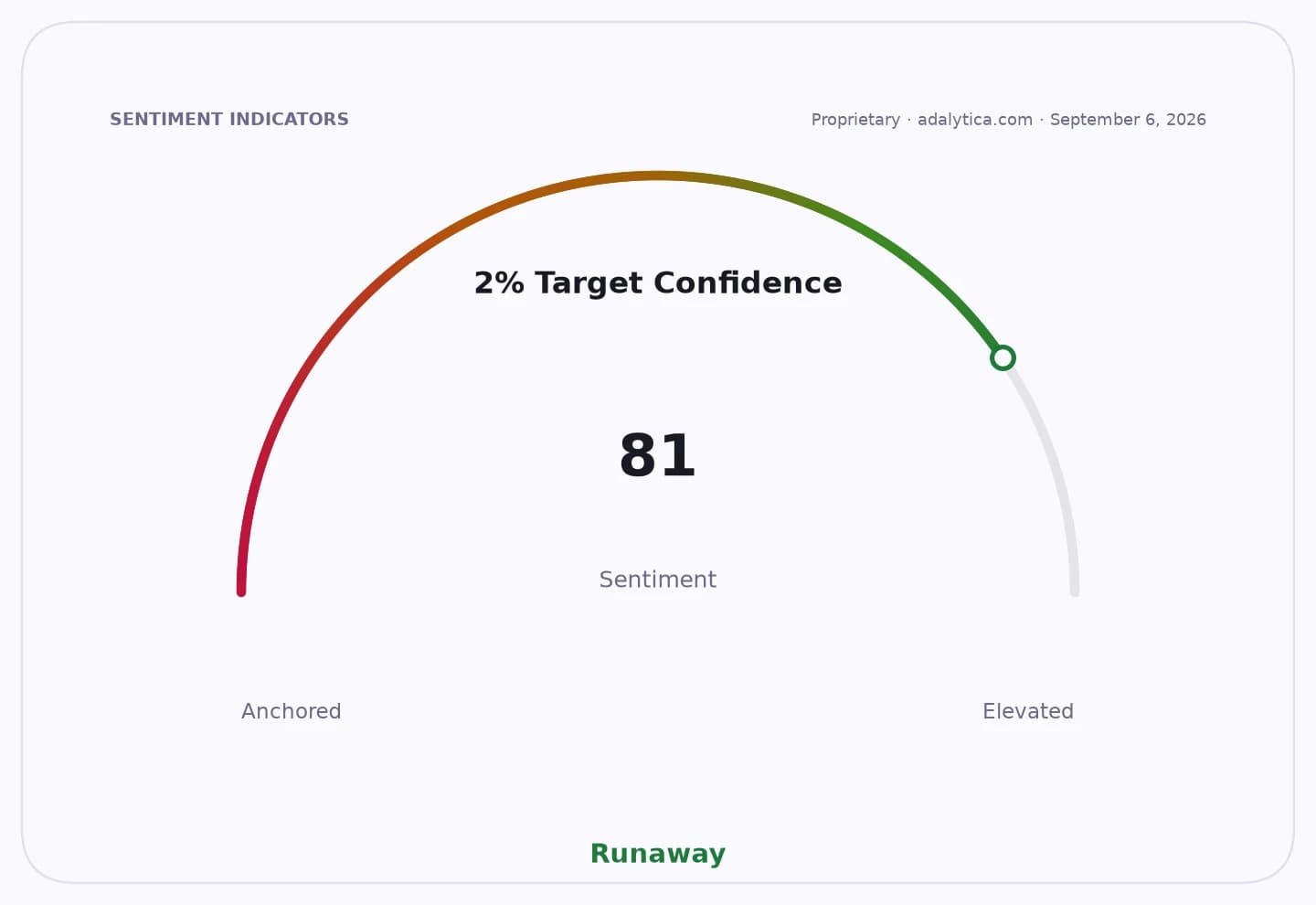
Sentiment IndicatorsⓘProprietary · adalytica.com · September 6, 2026
This is a snapshot — live sentiment, awareness and momentum for 130+ markets update continuously in the dashboard.Open AlphaPulse
The surge matters because lower-income households have the least room to absorb higher prices, especially when food dominates spending. The Philippine Statistics Authority said it measures inflation for the bottom 30 percent separately because those households devote a bigger share of their budgets to basic necessities. In August, food and non-alcoholic beverages accounted for 52.5 percent of overall inflation among poor households nationwide, while rice remained the single biggest driver, with rice inflation for the bottom 30 percent rising to 22.5 percent from 19.3 percent in July.
That puts the policy challenge in sharper focus. Even as headline inflation can look manageable, the burden on poorer consumers is materially heavier in Western Visayas, where Aklan recorded 11.3 percent inflation for poor households and Antique 10.2 percent. Iloilo City posted 9.3 percent, while Guimaras and Capiz were lower at 5.7 percent and 3.9 percent. The regional figure’s swing from negative 1.1 percent a year ago to nearly 10 percent now points to a broad-based deterioration in purchasing power rather than a one-off spike.
For investors, the main relevance is second-order but important: persistent food inflation can weigh on consumer demand, support defensive spending patterns, and complicate the policy backdrop for rates and credit. Consumer staples and discount retailers tend to hold up better when lower-income households are squeezed, while discretionary spending usually weakens. A prolonged squeeze can also feed wage demands and keep inflation expectations elevated, a risk that central banks and policymakers watch closely.
The broader picture is that inflation is no longer just a macro headline; it is increasingly a distributional story. Poor households outside Metro Manila have been facing inflation close to twice the capital’s pace, and Western Visayas is among the clearest examples of how uneven price shocks can be across regions and income groups. The next provincial release for August will show whether July was an outlier or part of a deeper cost-of-living cycle that could keep pressure on consumption and poverty reduction efforts into the second half of the year.
| Entity | Gains | Losses |
|---|---|---|
| Food retailers | ▲Higher nominal sales | ▼Price-sensitive demand |
| Low-income households | ▲None | ▼Purchasing power |
| Staples and discount chains | ▲Defensive traffic | ▼Margins if costs rise |
| Policymakers | ▲Clearer inflation visibility | ▼Greater pressure to respond |