A fungus found inside wheat seeds may offer farmers a cheaper, more resilient way to fight septoria tritici blotch, a disease that can halve yields in severe outbreaks and is becoming harder to control with conventional fungicides.
Wheat fungus may help fight septoria tritici blotch
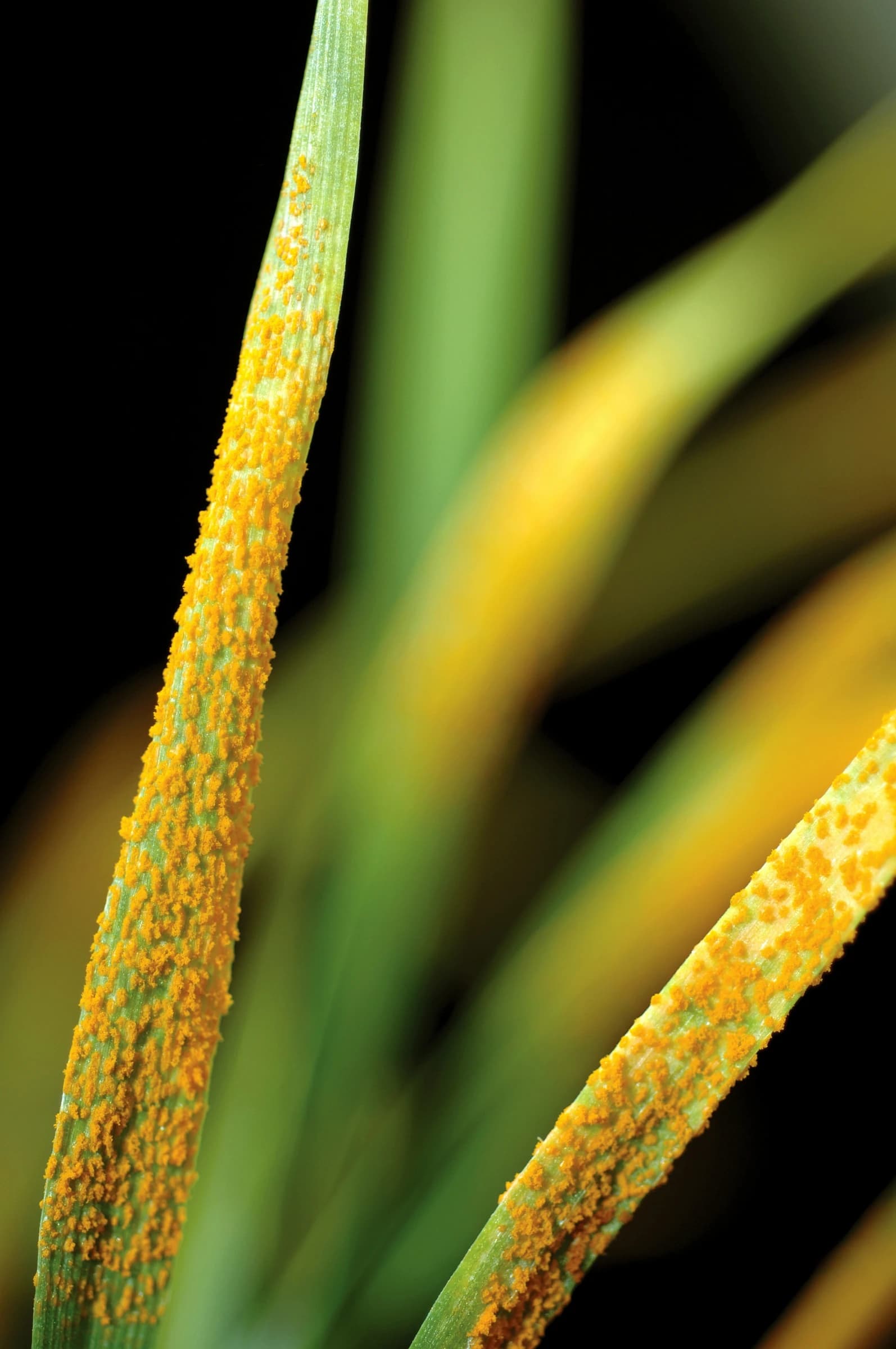
The discovery matters because STB is one of the most damaging wheat diseases worldwide and a persistent problem in wet, humid regions such as the UK, Germany, France and Denmark, where weather creates ideal conditions for infection. If the fungus, Chaetomium globosum, can be turned into a practical seed coating or spray, it could reduce crop losses, ease pressure on pesticide spending and give wheat growers a new tool as resistance to current treatments builds.
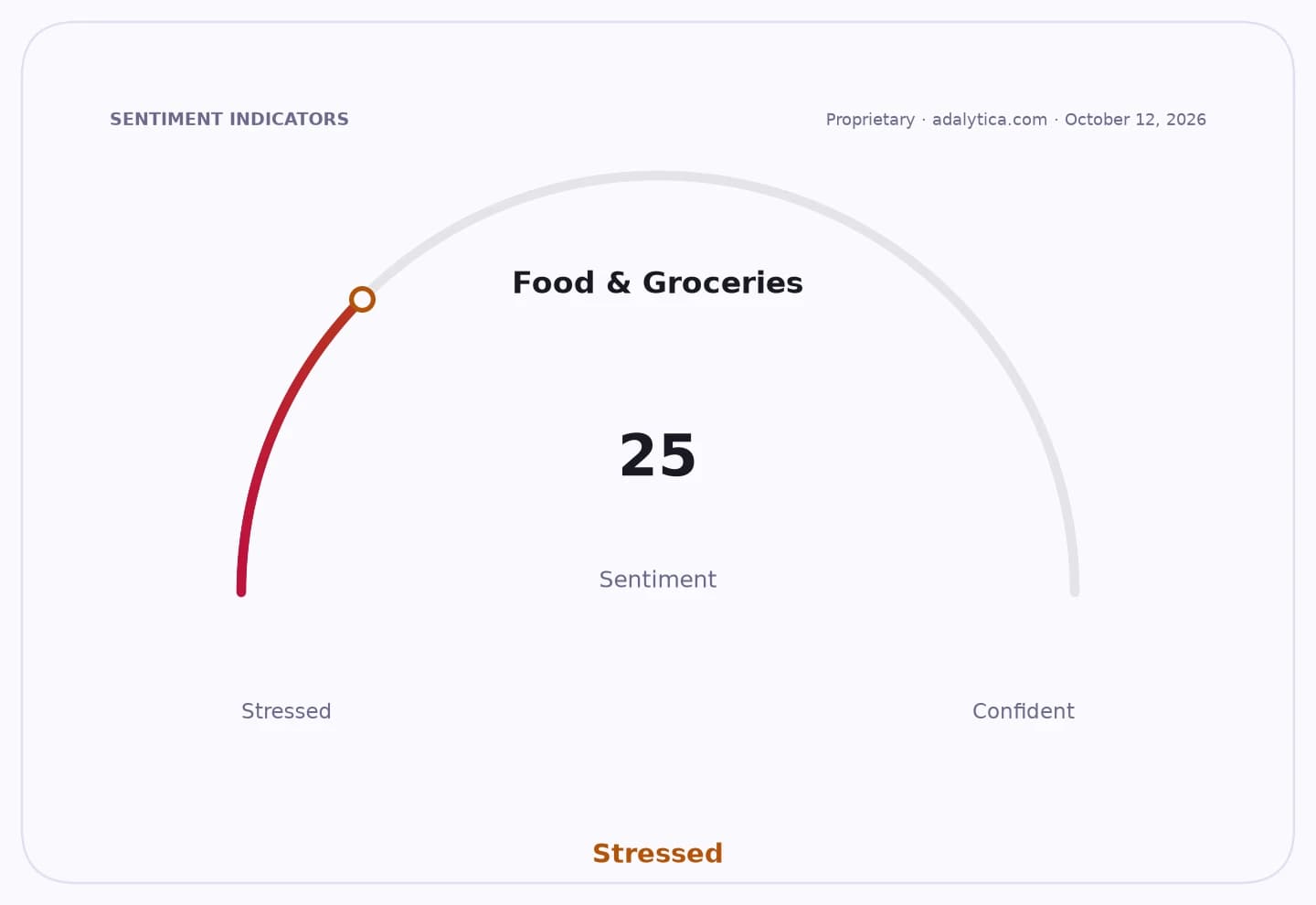
Sentiment IndicatorsⓘProprietary · adalytica.com · October 10, 2026
This is a snapshot — live sentiment, awareness and momentum for 130+ markets update continuously in the dashboard.Open AlphaPulse
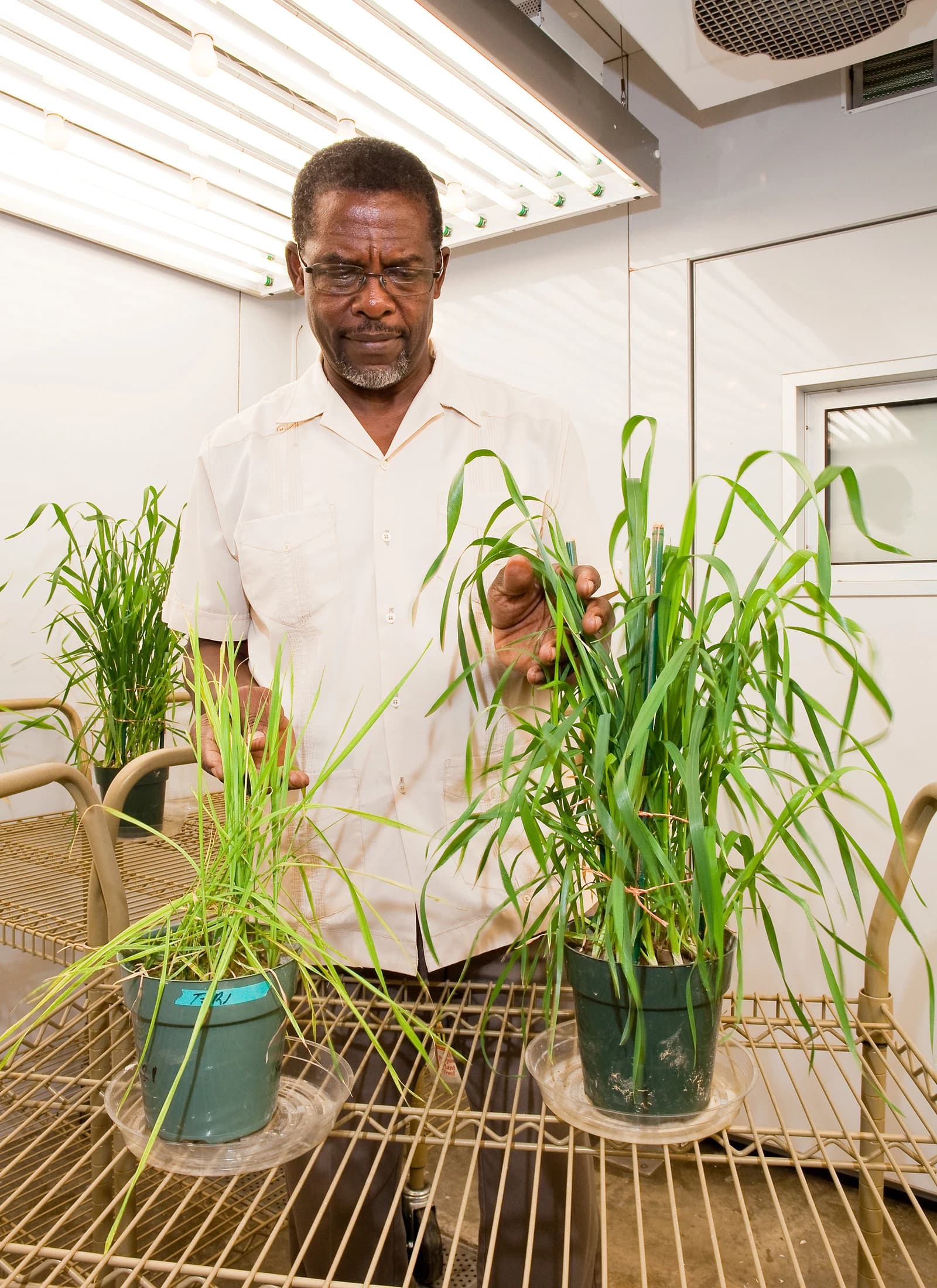
Researchers said the fungus significantly suppressed the disease in greenhouse tests. In the worst-hit wheat variety, lesions covered 74% less leaf area and spore-producing structures fell 82%. Across susceptible varieties, disease severity was cut by more than half. When sprayed onto infected wheat, it inhibited spore germination by more than 80%, suggesting it could work both as a preventative treatment and as a direct biological control.
The result is important for agriculture markets because STB is not a niche issue. Wheat is a staple crop and one of the world’s largest food markets, so even modest gains in disease control can have outsize implications for production, input costs and supply stability. For growers, a successful biological treatment could lower dependence on chemical fungicides, which have become less effective as the pathogen evolves resistance and more expensive as energy, transport and regulatory costs rise.
The finding also fits a broader shift in crop protection toward biologicals and microbiome-based products, a segment attracting investment as regulators and farmers look for alternatives to synthetic chemistry. The challenge is that greenhouse results rarely translate cleanly into commercial field performance. The fungus still needs field trials, safety checks and formulation work before farmers can use it at scale. Researchers are sequencing its genome to identify the antifungal compounds involved and to determine whether seed coating or foliar spraying would be the best delivery method.
For investors, the read-through is less about an immediate product opportunity than the direction of travel in agricultural inputs: more demand for biological disease control, less room for broad-spectrum chemicals alone, and potentially better outcomes for companies able to combine seed treatment, crop protection and biological platforms. The downside case is that efficacy in real-world conditions proves inconsistent, limiting commercial adoption and leaving fungicide demand intact.
The broader narrative is that wheat disease management is moving from chemistry alone toward a mixed toolkit of biology, genomics and precision delivery. If this fungus holds up in field trials, it could become part of that next generation of crop protection, especially in northern Europe, where rainfall and humidity make STB a chronic threat.
| Entity | Gains | Losses |
|---|---|---|
| Wheat growers | ▲Lower disease pressure | ▼Fungicide dependence |
| Biological crop inputs | ▲New adoption case | ▼Slow field validation |
| Fungicide makers | ▲Continued need, if trials fail | ▼Share if biocontrol works |
| Wheat markets | ▲Better supply resilience | ▼Less upside from disease shocks |