Wheat futures jumped as much as 3.1% after optimism over a possible Russia-Ukraine breakthrough evaporated, reviving fears that Black Sea grain shipments will stay under pressure for longer.
Wheat Futures Rise on Black Sea Supply Fears

The move matters because the Black Sea remains one of the most important export corridors for global wheat, corn and other food commodities. When peace hopes fade, traders quickly rebuild a war premium into prices on the assumption that attacks on grain terminals, ports and transport infrastructure will continue to disrupt supplies. That keeps a tight hand on available export volumes and can ripple through food costs well beyond the futures market.
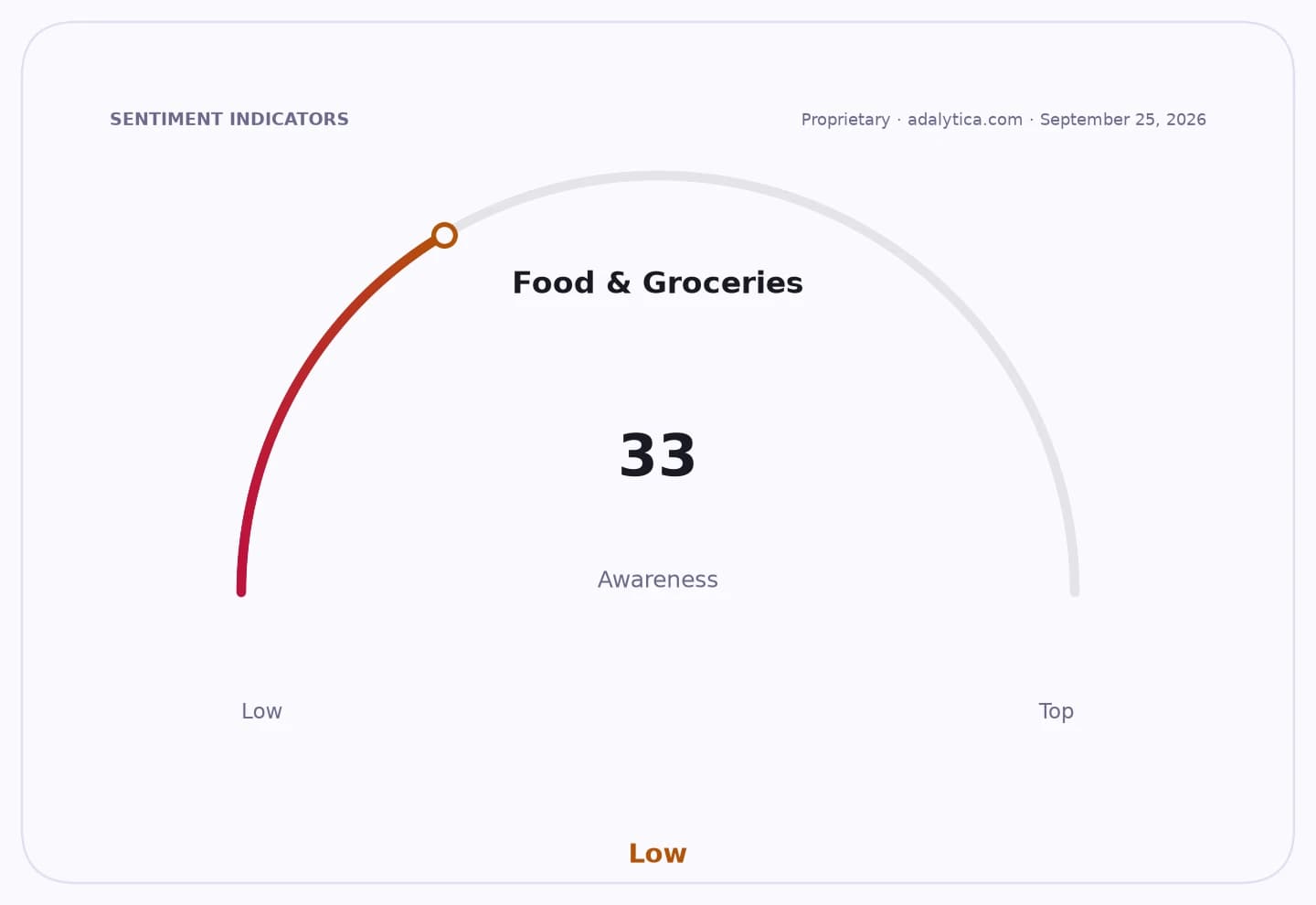
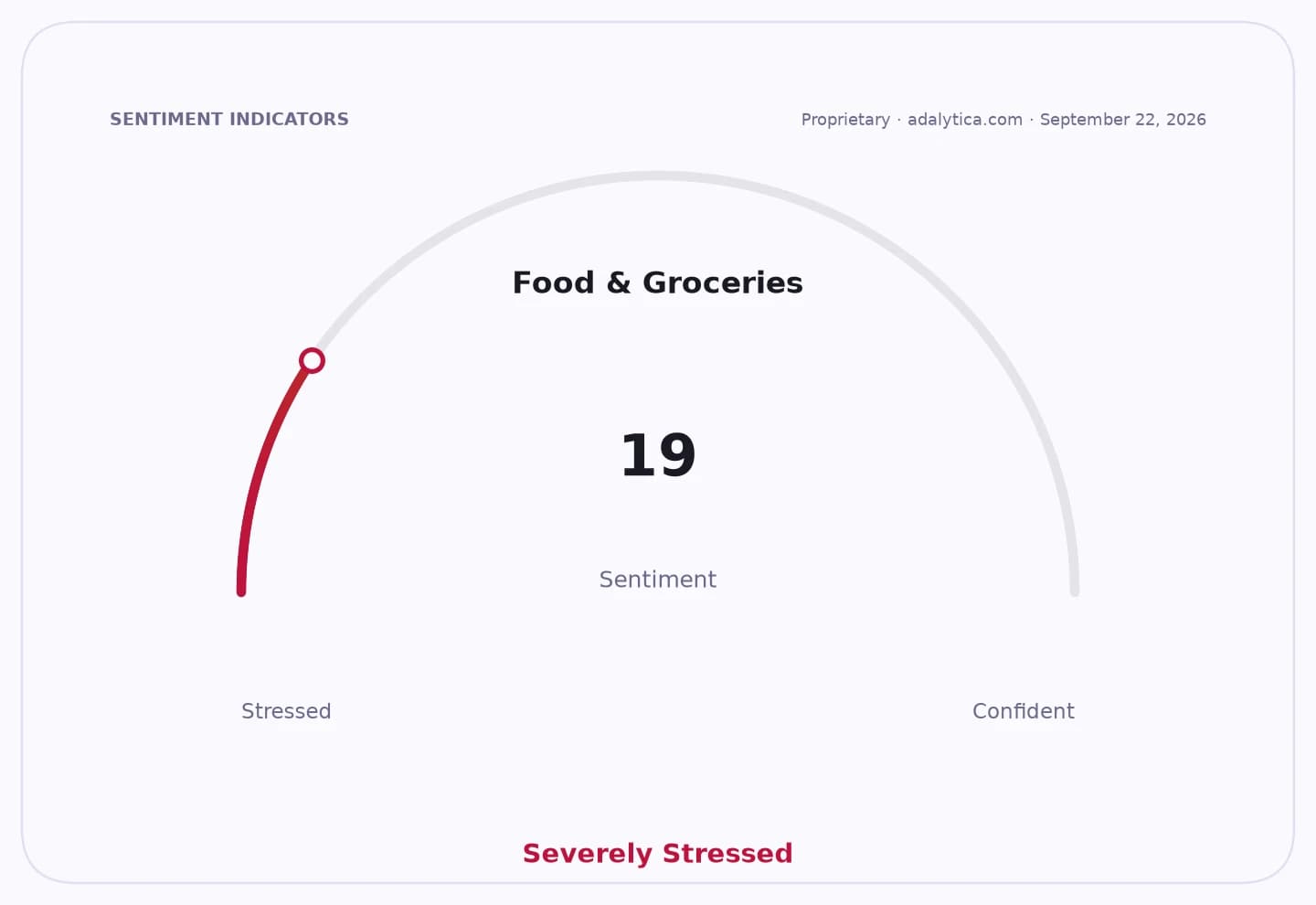
Sentiment IndicatorsⓘProprietary · adalytica.com · September 8, 2026
This is a snapshot — live sentiment, awareness and momentum for 130+ markets update continuously in the dashboard.Open AlphaPulse
Chicago wheat posted its biggest daily gain since Aug. 28 after U.S. markets reopened from the Labor Day holiday. The contract had fallen in the prior week as investors bet that talks between U.S. envoys and Russian President Vladimir Putin might produce some progress. Instead, the meetings ended without a meaningful sign of a deal, while Ukrainian President Volodymyr Zelenskiy said he did not expect a quick end to the war.
According to people familiar with the matter, Putin remains focused on seizing the whole Donetsk region and believes Russian forces could achieve that within six months. Ukraine’s renewed attacks on Russian oil refineries on Monday added another layer of escalation, reinforcing the view that the conflict is not moving toward de-escalation.
That geopolitical backdrop is feeding directly into agricultural markets. The Black Sea is a critical supply hub, and any fresh deterioration tends to tighten physical availability and support prices. Recent technical strength in wheat also points to a market that is vulnerable to sharp swings when headline risk rises: the Chicago contract closed at 740.0 cents a bushel on Sept. 8, well above its 50-day moving average of 666.28 cents and with RSI readings still elevated at 69.4, suggesting bullish momentum remains intact even after a pullback from late-August highs.
The gains are not confined to wheat. Corn and soy-linked food exposure have also stayed firm, reflecting broader concern that geopolitical shocks and climate-related disruptions could keep grain markets tight. Adalytica’s Food and Grocery Spending Sentiment gauge remains in “Extreme Fear,” underscoring how quickly higher staple prices can hit consumer budgets and pressure retailers, food makers and importers.
For investors, the key question is whether this is a short-lived risk premium or the start of a more durable repricing. Bulls will argue that the conflict has become more entrenched, making supply outages and shipping disruption more likely. Bears will point out that grain markets often overshoot on geopolitical headlines and can unwind quickly if exports keep flowing. For now, the market is betting that peace remains remote — and that keeps wheat supported.
| Entity | Gains | Losses |
|---|---|---|
| Wheat bulls | ▲Higher futures prices | ▼Short sellers |
| Black Sea exporters | ▲Price premium on remaining supply | ▼Volume certainty |
| Food makers and importers | ▲— | ▼Higher input costs |
| Consumers | ▲— | ▼Higher bread and staple prices |