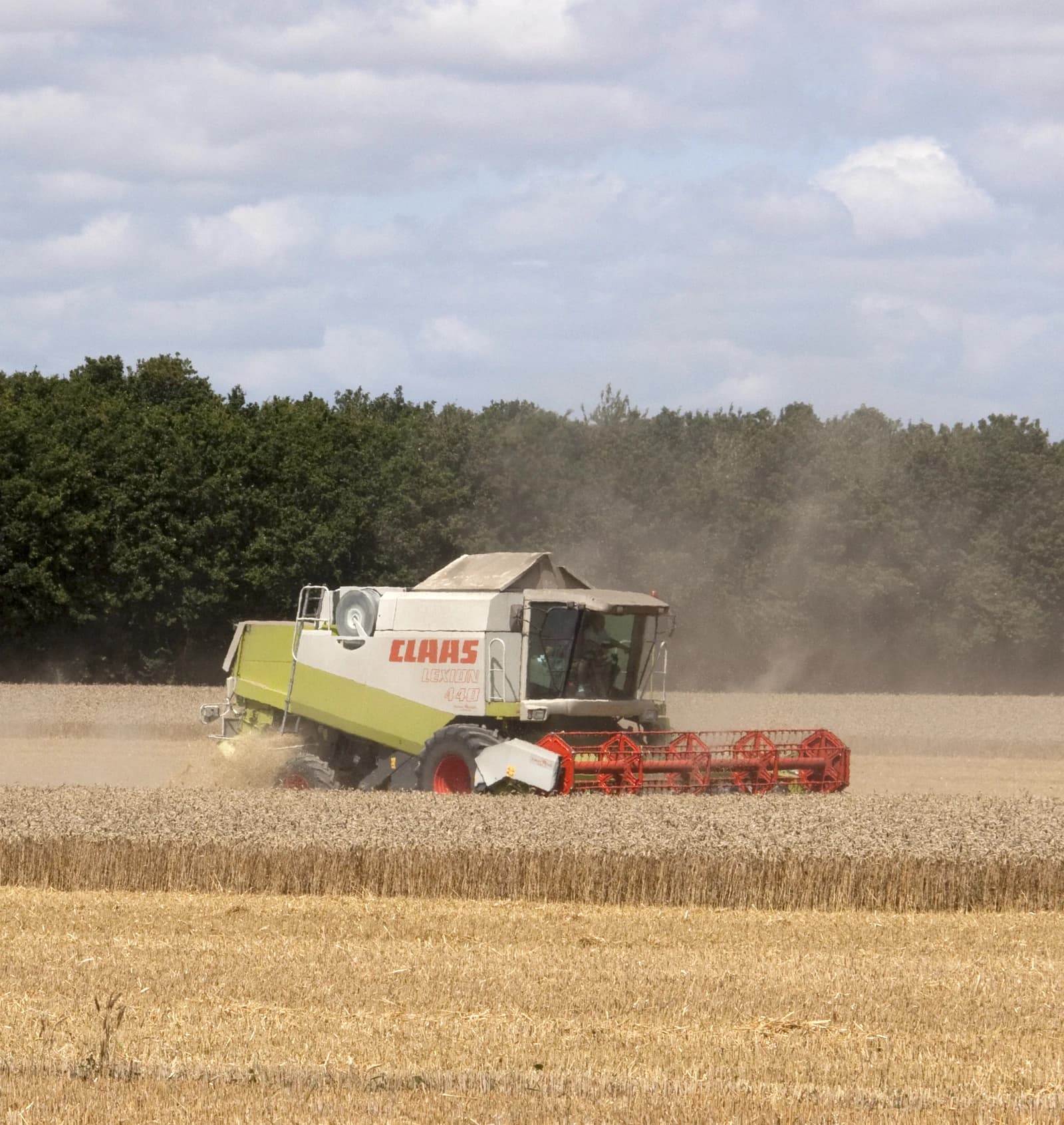
Wheat prices slumped 12.7% in September to $6.75 a bushel, the sharpest monthly drop in more than two years, as traders unwound the war premium tied to Black Sea supply risks and bet on improving global availability.
Wheat Prices Fall 12.7% in September
The slide came after futures briefly touched $7.95 during the month, but sentiment shifted as prospects for Russia-Ukraine peace talks improved and favorable weather eased fears of a crop shortfall. Softer demand also pressured the market, with U.S. wheat losing ground to cheaper supplies from Russia, Ukraine and Europe.
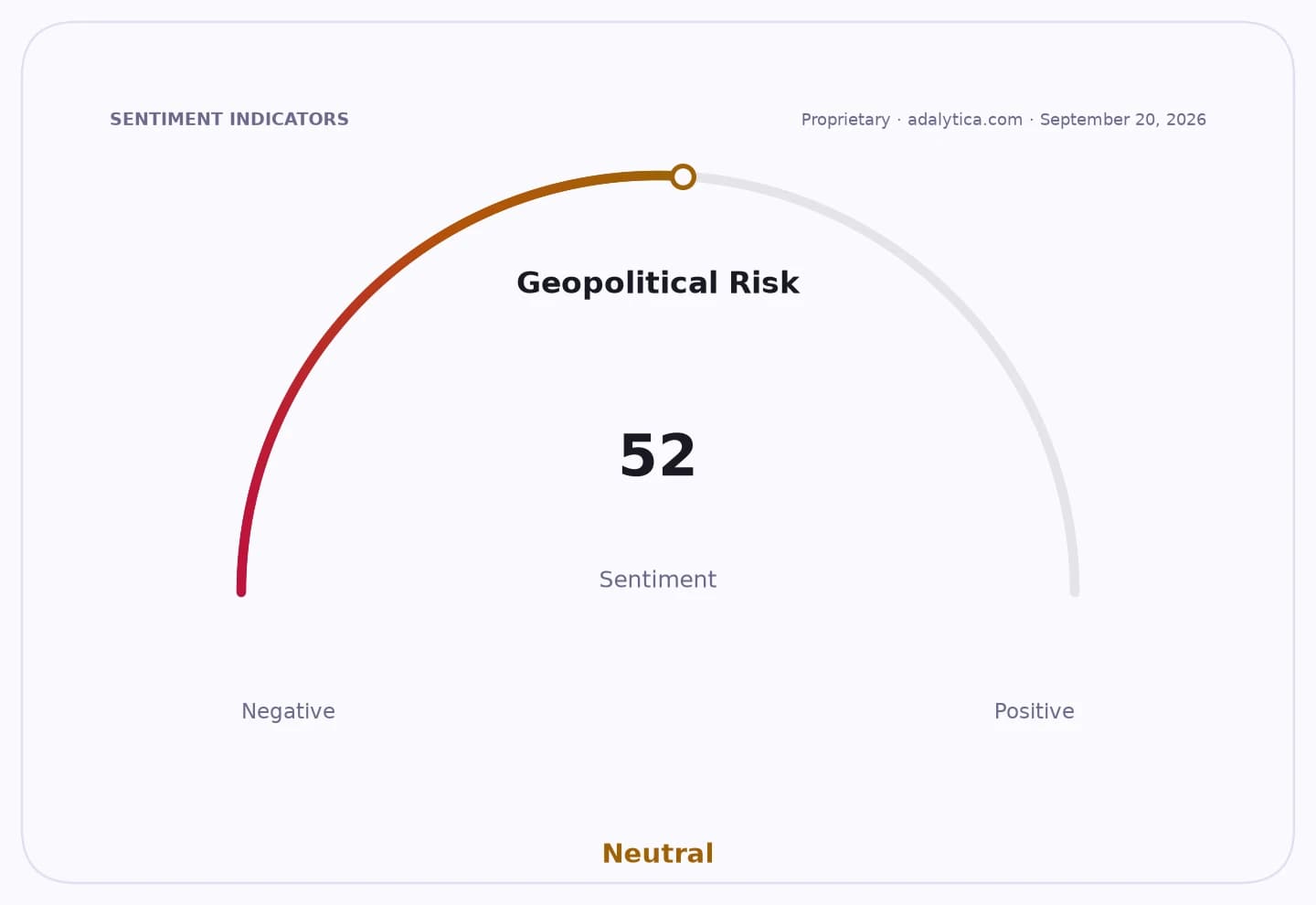
Sentiment IndicatorsⓘProprietary · adalytica.com · October 13, 2026
This is a snapshot — live sentiment, awareness and momentum for 130+ markets update continuously in the dashboard.Open AlphaPulse

Even after the pullback, wheat ended September about 35% higher than at the start of the year, showing how tightly the market still trades around geopolitics, weather and export flows. A weaker El Niño pattern, softer short-term U.S. export demand and concern over slower global growth added to the selling pressure, according to market commentary cited by Anadolu.
The drop matters economically because wheat is a benchmark food and feed input, and a sustained easing in prices can relieve pressure on flour, bread and livestock costs after a year of supply shocks. For exporters and grain merchants, the change also signals a more competitive world market in which U.S. wheat is struggling to clear against lower-priced European and Black Sea cargoes, helped by a stronger dollar.
Investors in agricultural funds and crop-linked producers are feeling the shift as the wheat market gives back part of this year’s rally. The Teucrium Wheat Fund, which tracks wheat prices, has retreated from recent highs even as its longer-term trend remains well above early-year levels; corn and soybeans have also weakened as the U.S. harvest gathers pace.
The next catalyst is whether any Russia-Ukraine diplomacy reduces Black Sea risk further and whether export demand improves enough to stabilize U.S. pricing. Weather in key growing regions and fresh tender activity from major importers will determine if the September selloff is the start of a larger correction or just a pause in a still-tight market.
| Entity | Gains | Losses |
|---|---|---|
| Food buyers | ▲Lower input costs | ▼Less protection from inflation |
| U.S. wheat exporters | ▲— | ▼Weaker demand, tougher pricing |
| Black Sea suppliers | ▲More competitive pricing | ▼— |
| Wheat bulls | ▲— | ▼War premium unwound |