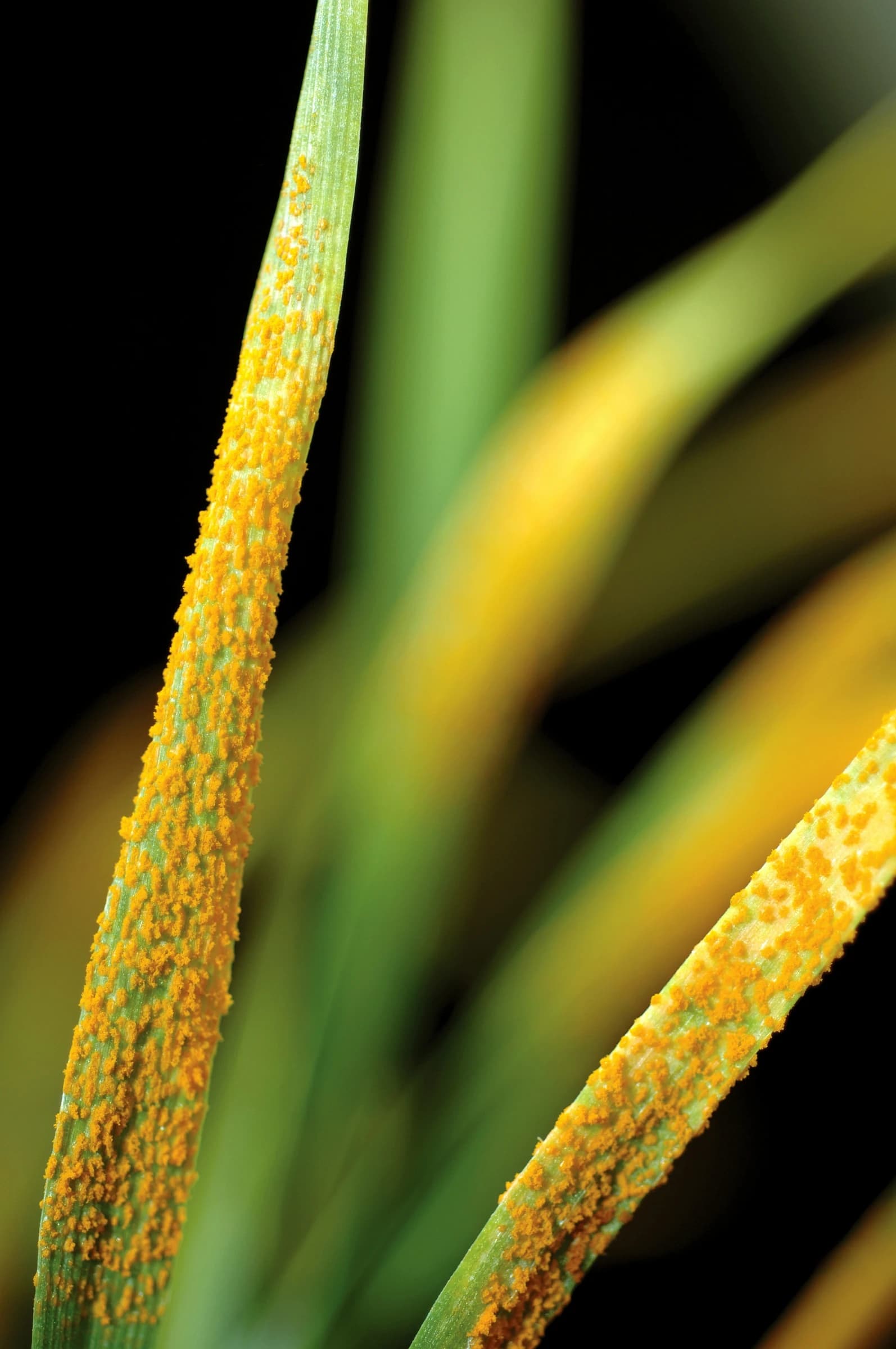
Scientists have found a way to modify cereal crops’ natural immune receptors so wheat, rice and barley can recognize and block the fungus that causes one of the world’s most damaging plant diseases.
Wheat, rice and barley gain fungus resistance
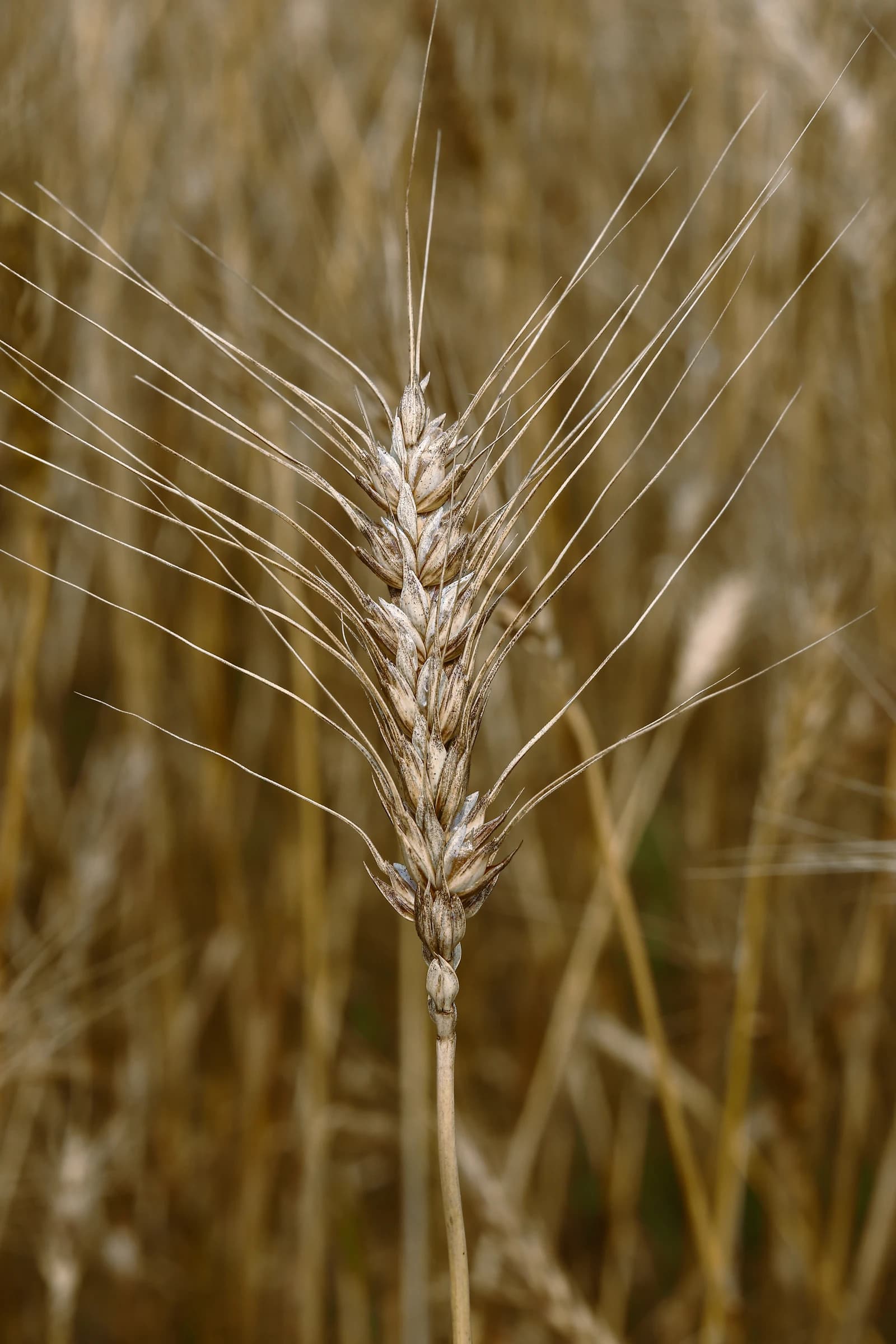
The advance matters because Magnaporthe oryzae, the pathogen behind rice blast and related crop losses, is a direct threat to global food supply chains. It attacks rice, wheat and barley across much of Asia and Africa, and annual losses from the disease are estimated to be enough rice to feed about 60 million people.
Sentiment IndicatorsⓘProprietary · adalytica.com · October 20, 2026
This is a snapshot — live sentiment, awareness and momentum for 130+ markets update continuously in the dashboard.Open AlphaPulse
For agriculture investors, the key implication is not an immediate earnings event but a longer-run shift in crop genetics and seed resilience. If the technology can be commercialized, it could reduce yield volatility, lower the economic cost of fungal outbreaks and strengthen the pricing power of seed and crop-protection companies with advanced breeding platforms. It also raises the stakes for input makers and growers that remain exposed to disease pressure in regions where staple crops underpin both food security and farm income.
The work, published in Science Advances, focuses on tandem kinase proteins, or TKPs, a class of immune receptors in cereals that have only recently attracted as much attention as the more widely studied NLR proteins. Researchers identified the HMA domain inside these receptors as a kind of biological lure that binds fungal effectors, triggering a rapid defense response that destroys infected cells before the disease can spread through stems and leaves.
What makes the result notable is that the modified protein can detect two different fungal effectors. That dual specificity is rare in nature and, in practical terms, gives plants a broader shield against multiple pathogen strains at once. In crop science, that kind of resilience is valuable because pathogens evolve quickly, often overcoming single-gene resistance after a few growing seasons.
The commercial path still runs through field validation, trait stacking and regulatory approval, and the technology is unlikely to alter grain markets overnight. But the broader narrative is clear: breeding is moving from yield optimization toward engineered immunity, and that could change how farmers manage disease risk, how seed companies differentiate products and how much damage fungal outbreaks inflict on harvests in the years ahead.
| Entity | Gains | Losses |
|---|---|---|
| Farmers | ▲Lower disease losses | ▼Reliance on vulnerable varieties |
| Seed companies | ▲New resistance traits to commercialize | ▼Slower adoption of older genetics |
| Fungicide makers | ▲Continued need in the near term | ▼Potential long-run demand pressure |
| Grain consumers | ▲More stable staple supplies | ▼Higher food prices from crop failures |