A White House push to unwind a decades-old wolf decision could reshape how aggressively states and federal agencies manage predators, with real consequences for ranchers, conservation groups and the broader farm economy.
White House Moves to Roll Back Wolf Protections
The important part for investors is not the symbolism. It is the way wildlife policy can alter costs, crop and livestock margins, and political pressure around agriculture at a time when food producers are already dealing with volatile commodity prices, trade friction and weather risk.
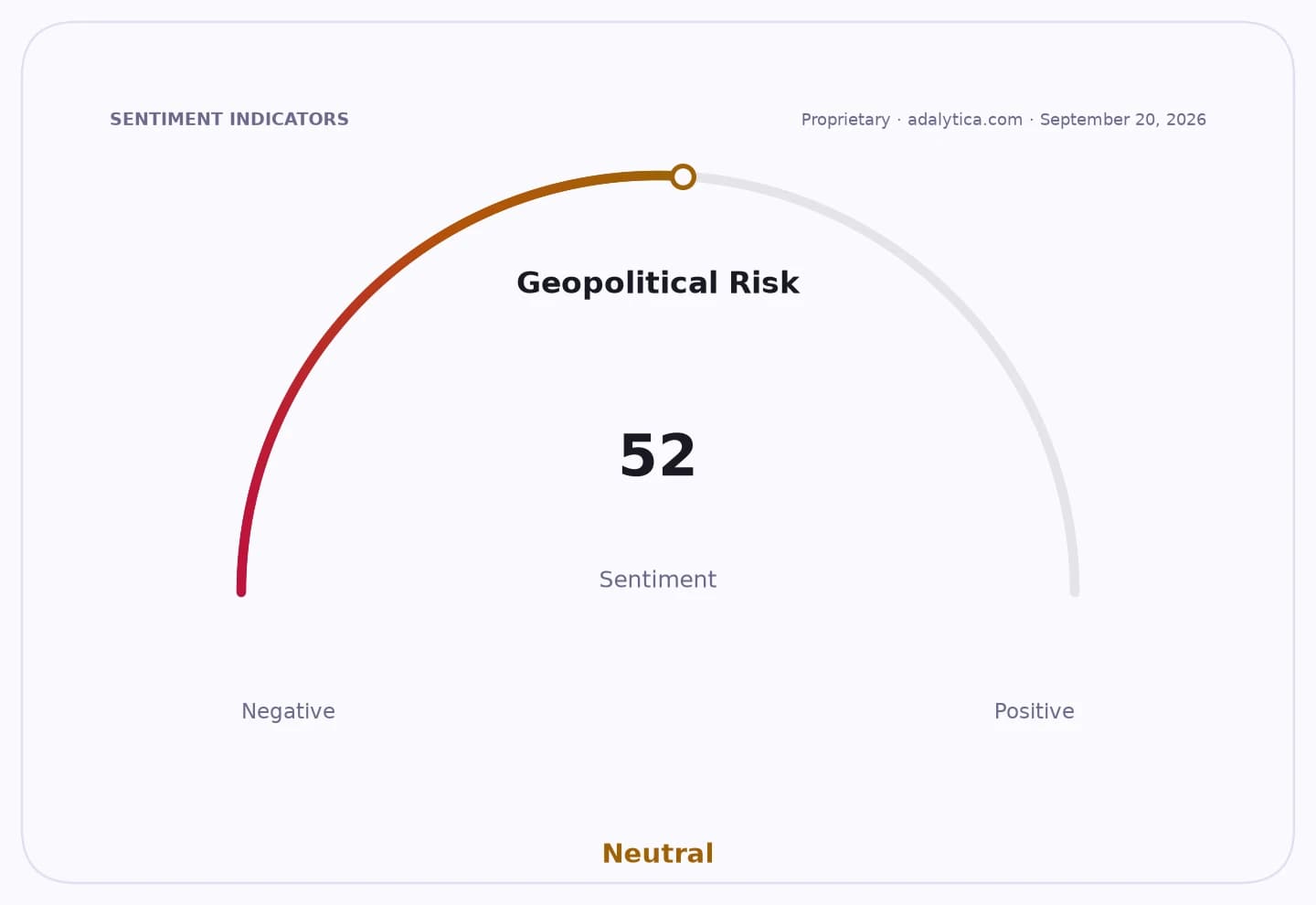
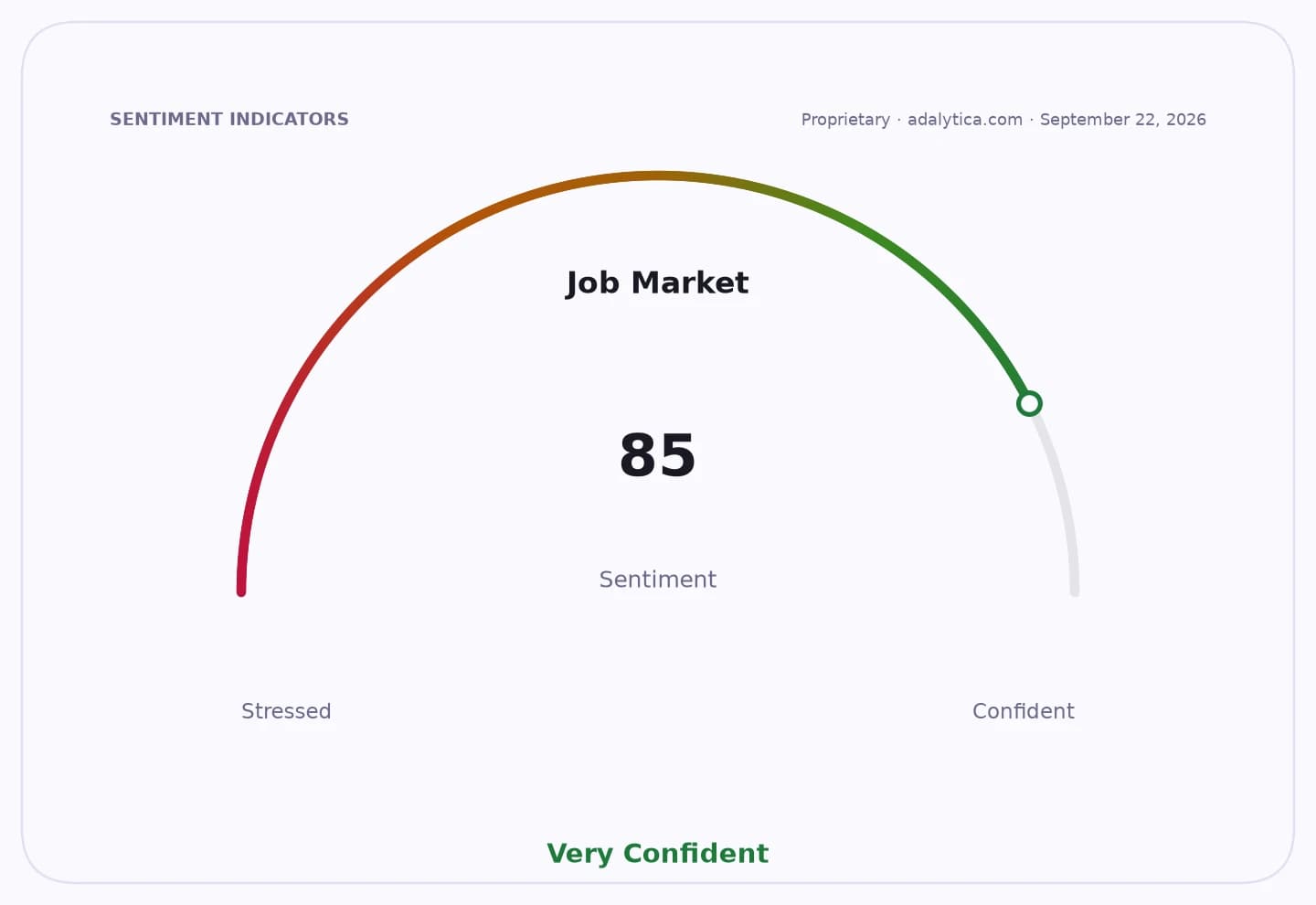
Sentiment IndicatorsⓘProprietary · adalytica.com · September 6, 2026
This is a snapshot — live sentiment, awareness and momentum for 130+ markets update continuously in the dashboard.Open AlphaPulse
The seed headline points back to the 1970s because that is when modern federal wolf protections were put in place under the Endangered Species Act. Rolling back those safeguards would make it easier to remove wolves after repeated livestock attacks, something ranchers have been demanding for years as losses mount in places from the U.S. West to parts of Europe.
That tension is exactly why the story matters economically. When predators kill sheep, cattle or other livestock, the losses are not limited to one farm. They ripple through insurers, feed suppliers, meat processors and rural economies already under strain. More aggressive culling rules can reduce those losses, but they also intensify fights with environmental groups and raise legal risk if courts block the change.
For investors, the clearest beneficiaries are likely to be livestock producers and farm businesses that want faster state-level control over predator populations. The losers could include conservation-minded groups, companies exposed to environmental litigation, and any agricultural businesses caught in a new round of political and regulatory uncertainty.
Agribusiness names such as Deere, Archer-Daniels-Midland and Nutrien are not direct wolf trades, but they sit in a sector where policy decisions can affect farm confidence, capital spending and margins. Deere has already flagged contested tariffs, trade rules and broader political instability as business risks, while ADM has pointed to shifting global trade conditions and agricultural market pressures in its filings. In that sense, predator policy is another reminder that farming profits are shaped by more than prices for corn, soybeans or wheat.
The long-term takeaway is simple: this is less about wolves alone than about how Washington balances conservation with production. If the administration succeeds, ranchers could get some relief and rural tensions may ease. If it fails, the dispute will keep running through courts and election cycles, prolonging uncertainty for the farm economy. Investors in agriculture should treat it as a policy risk worth watching, not a headline to ignore.
| Entity | Gains | Losses |
|---|---|---|
| Ranchers | ▲Fewer livestock losses | ▼Less federal protection for wildlife |
| Conservation groups | ▲Stronger public debate on habitat | ▼Weaker wolf safeguards |
| Agribusiness firms | ▲Higher farm confidence | ▼More policy uncertainty |
| Wolves | ▲Less likely to be protected | ▼Greater culling risk |