State Secretary Matthias Heidmeier’s endorsement of WIRKsam underscores a bigger policy and business message: Germany’s AI push is shifting from pilot projects to a test of whether artificial intelligence can raise industrial productivity without triggering worker backlash.
WIRKsam AI network expands in Germany's Rhine region
That matters economically because the Rhine region, long dependent on heavy industry and now under pressure from decarbonization, labor shortages and digitalization, needs tools that help manufacturers modernize while preserving skills and output. WIRKsam’s pitch is that AI adoption works best when it is tied to training, worker participation and practical shop-floor use cases rather than abstract technology programs.
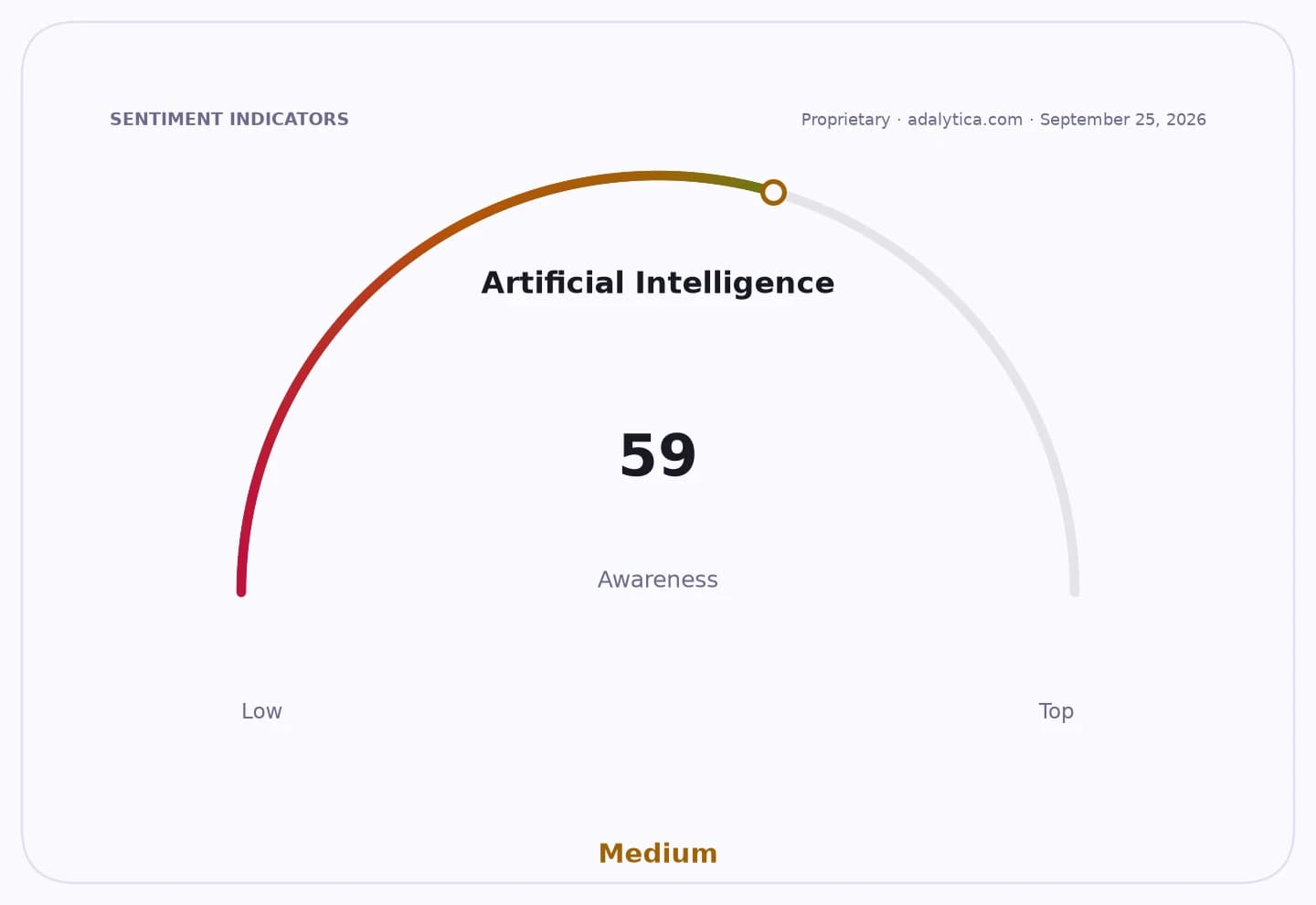
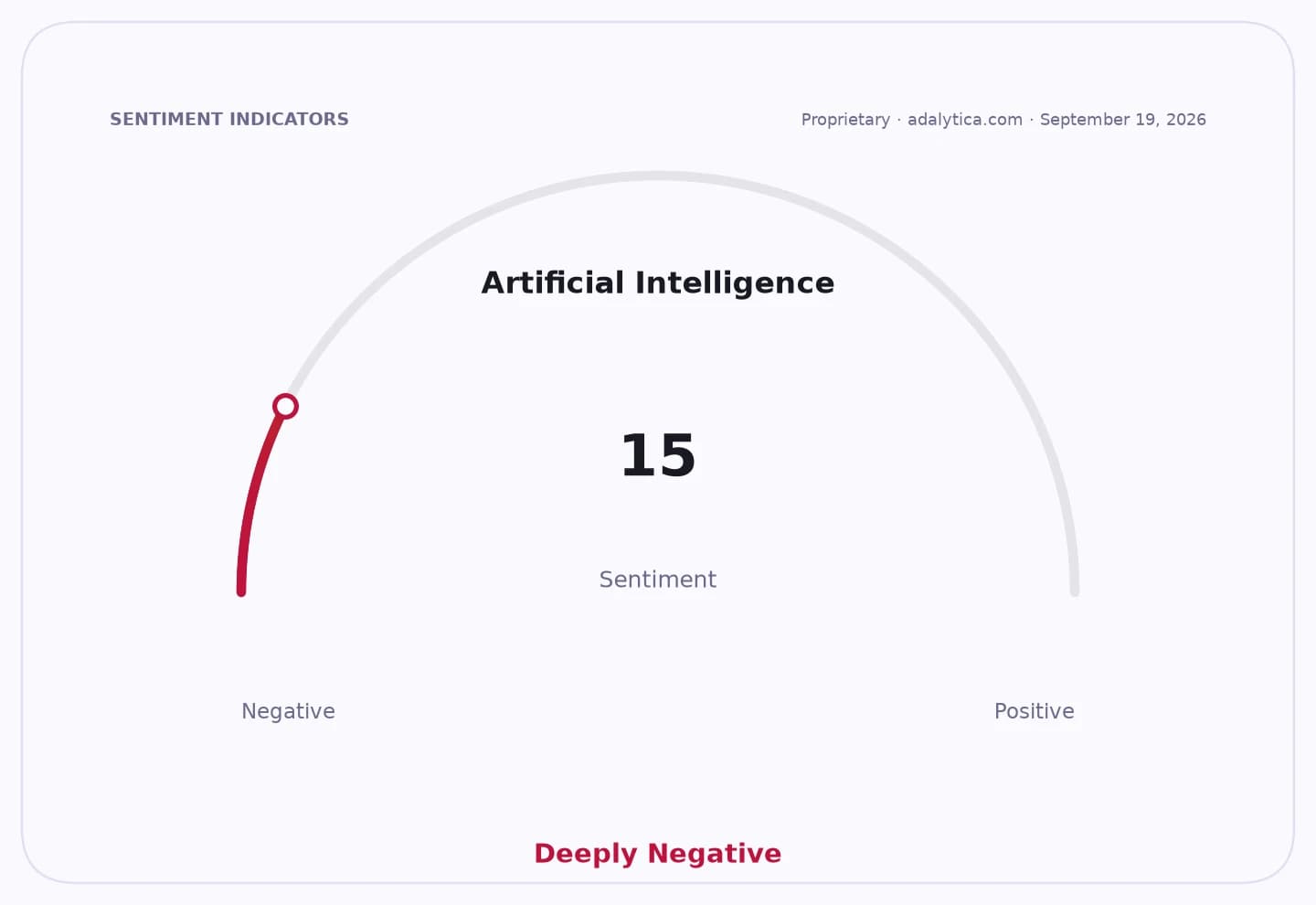
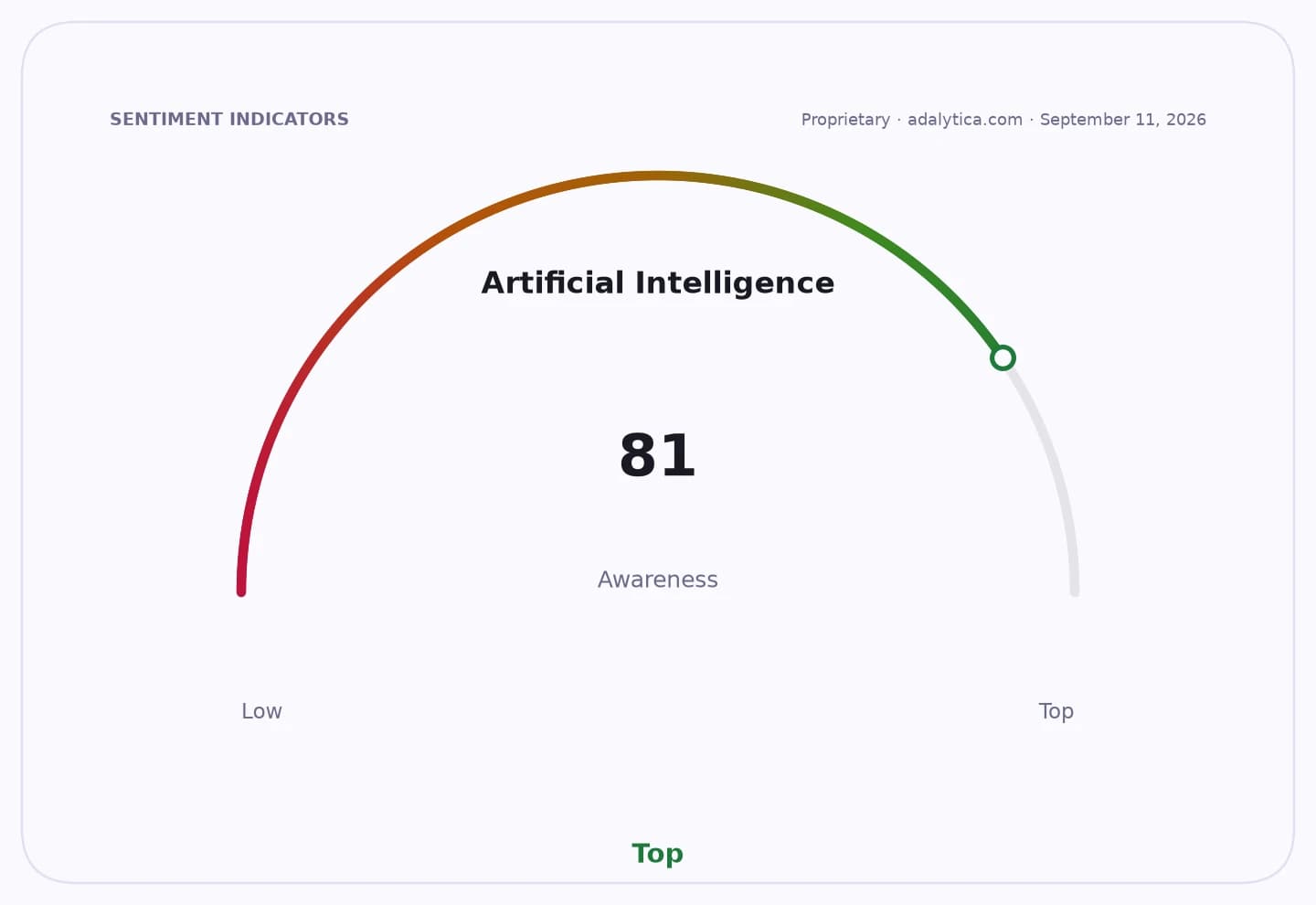
Sentiment IndicatorsⓘProprietary · adalytica.com · September 11, 2026
This is a snapshot — live sentiment, awareness and momentum for 130+ markets update continuously in the dashboard.Open AlphaPulse
The five-year project, based in Hürth, has spent since 2021 developing and testing AI applications with companies in the manufacturing sector in the Rheinisches Revier. According to the consortium, the work has focused on securing know-how, making production processes more flexible and improving quality. It is now being rolled into a permanent competence network that will continue advising mainly small and medium-sized firms on AI implementation.
Heidmeier framed that approach as central to the region’s restructuring effort. “The future viability of our economy is decided not only by technology, but by how we shape it together with employees,” he said, praising WIRKsam as practical, participatory and focused on the people who use the tools. For policymakers, that is a useful template: if AI is to support the industrial base rather than displace it, companies need methods that reduce adoption risk and build internal acceptance.
For investors, the relevance is broader than one regional project. The biggest constraint on enterprise AI spending is no longer curiosity but execution — integration costs, weak digital infrastructure, unclear return on investment and resistance from employees. That favors vendors and service providers able to offer implementation support, workflow redesign and workforce training alongside models and software. It also suggests industrial software and automation suppliers with real-world deployment capabilities may capture more value than pure-play AI narratives.
The market backdrop reflects that tension. Broad AI enthusiasm remains high — according to Adalytica, investor sentiment around AI is in “Extreme Fear” even as awareness stays elevated — but the split highlights how quickly expectations can change when the story moves from hype to adoption. In hardware, Nvidia has held above $218 after a volatile run, while Microsoft has recovered to just under $500 as demand around AI infrastructure and cloud services remains strong. Yet the next leg of the trade will depend increasingly on whether customers can turn AI spending into measurable productivity gains.
That is where initiatives like WIRKsam matter. They point to a European model of AI diffusion built around industrial clusters, labor participation and applied research, not just large-scale cloud infrastructure. If that model proves scalable, it could help Germany’s manufacturers defend margins, ease labor bottlenecks and keep production onshore. If it does not, AI investment risk remains high and the economic gains will stay concentrated in a few firms that can absorb the implementation burden.
| Entity | Gains | Losses |
|---|---|---|
| WIRKsam network | ▲Expanded mandate | ▼Project-end uncertainty |
| NRW policymakers | ▲Industrial restructuring case | ▼Pressure to deliver jobs |
| SME manufacturers | ▲Easier AI adoption | ▼Upfront integration burden |
| AI vendors with services | ▲Implementation demand | ▼Pure software hype trades |