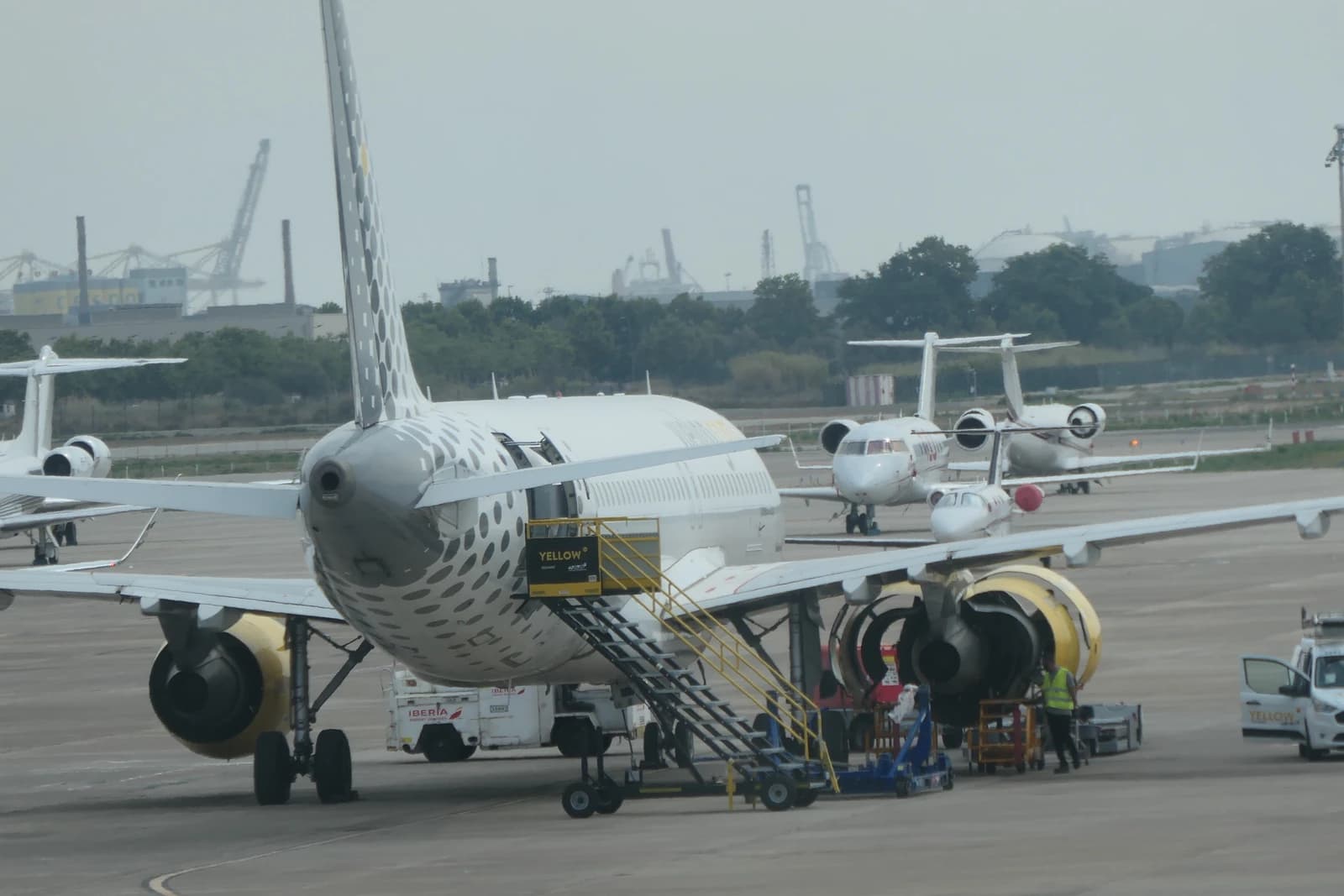
Wizz Air’s decision to put its next pilot training center in Poland rather than Romania underscores how central and eastern Europe’s aviation investment is tilting toward the larger, more established hub, even as Romania remains the airline’s biggest market.
Wizz Air chooses Poland for new pilot training center
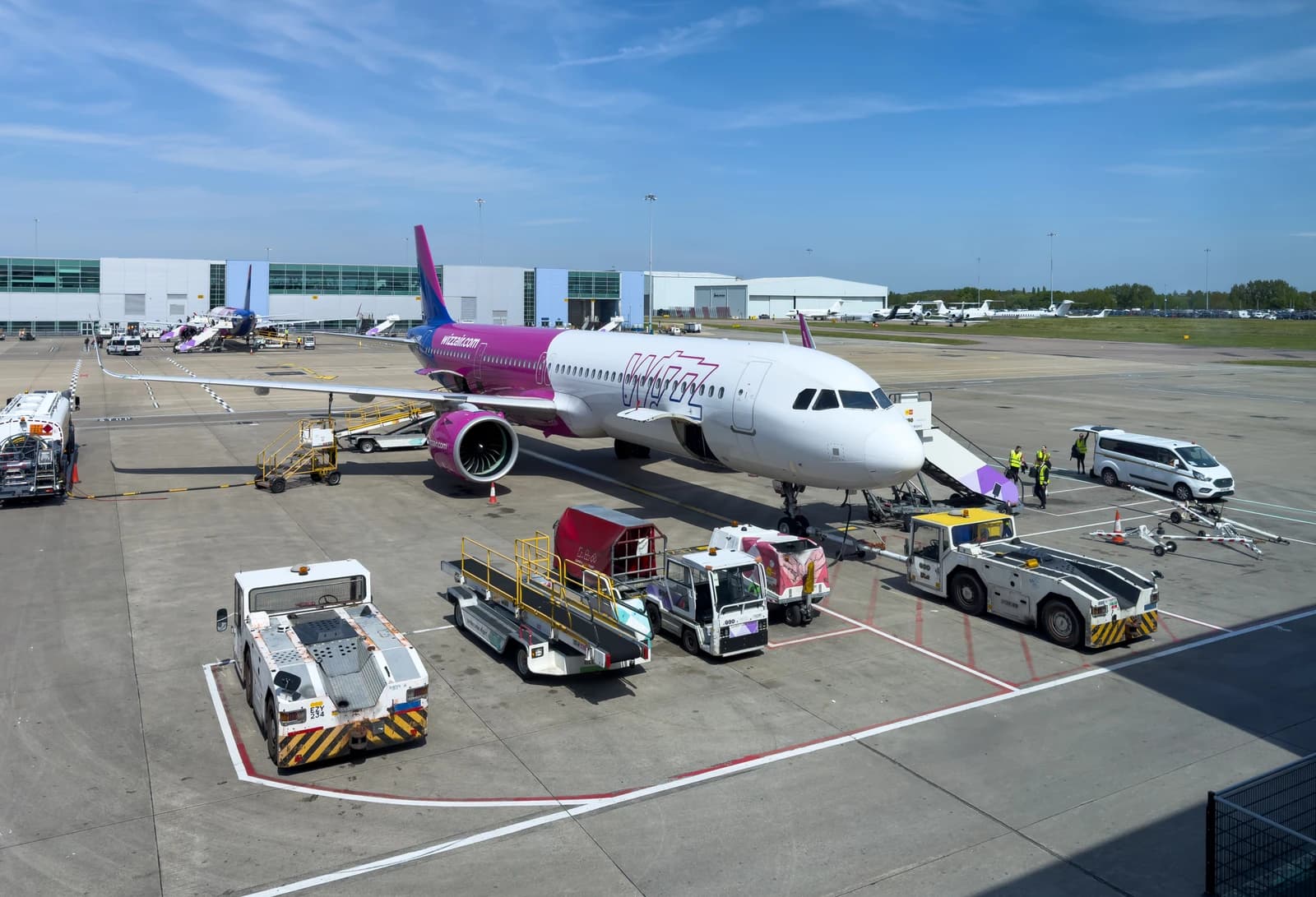
For Bucharest, the loss is more than symbolic. Wizz Air said it will build its third training centre in Poland, following facilities in Budapest and Rome, extending a pattern in which Romania’s passenger growth has not translated into the same level of infrastructure investment. The carrier did not disclose the selection criteria, citing trade secrets, but the choice is likely to reinforce Poland’s role as the region’s preferred base for aviation support services, from training to technology.
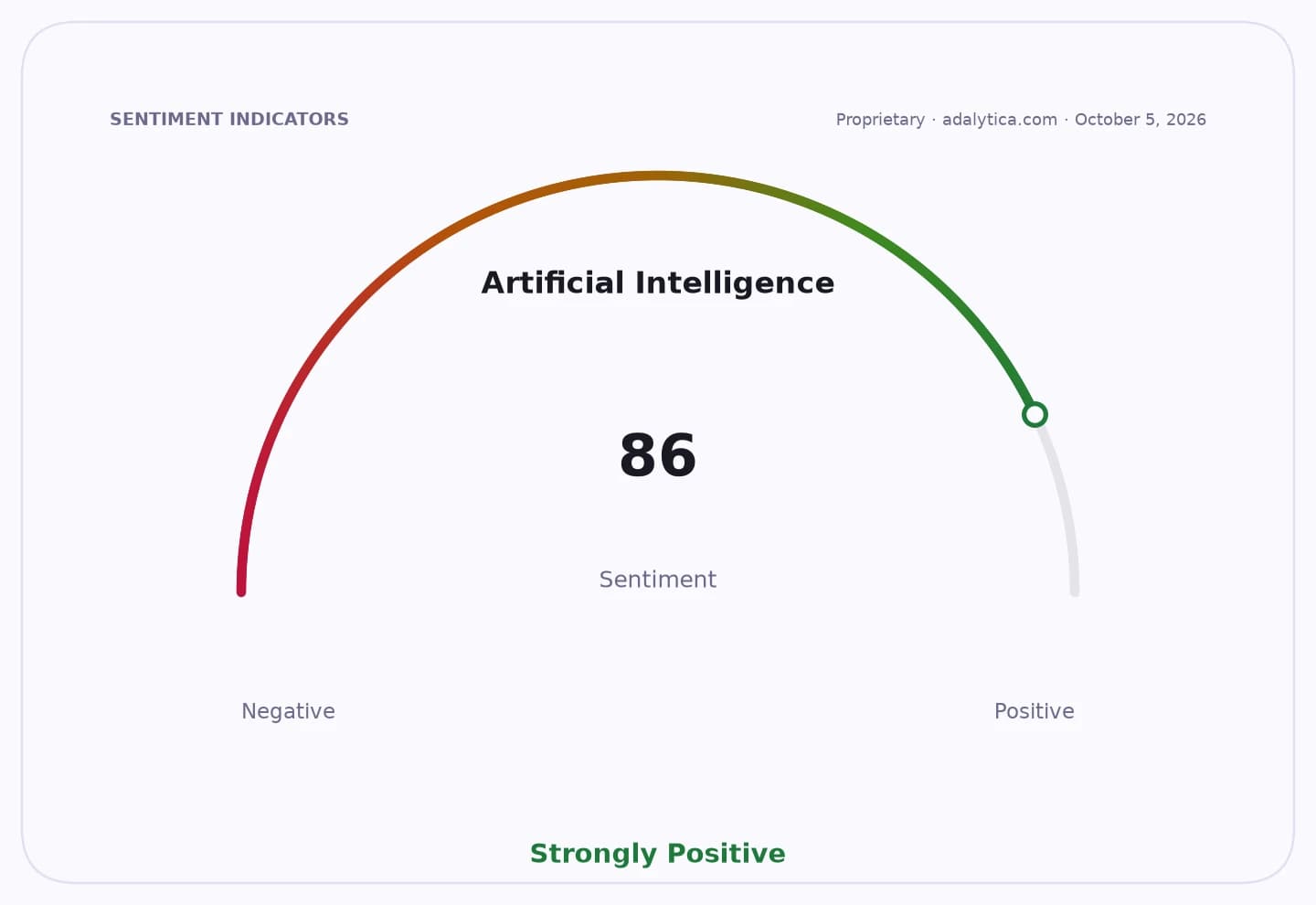
Sentiment IndicatorsⓘProprietary · adalytica.com · September 26, 2026
This is a snapshot — live sentiment, awareness and momentum for 130+ markets update continuously in the dashboard.Open AlphaPulse
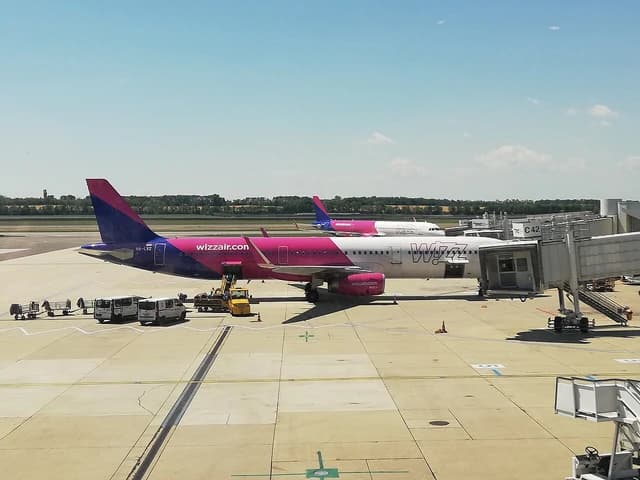
The decision matters economically because pilot academies are not just prestige projects. They bring capital spending, skilled jobs, maintenance and recurring operating activity, while anchoring wider ecosystems in simulators, logistics and education. Wizz Air has already spent more than 30 million euros on its Budapest training center and 38 million euros on the Rome facility opened in 2018, while Ryanair last year opened a 134 million-euro training center in Poland after previously passing over Romania for an IT hub in 2016. The pattern points to a competitive disadvantage for Romania in attracting higher-value aviation investment, despite its scale as a market.
For investors, the new academy is another sign that Wizz Air is continuing to build operational depth around its network expansion. The airline had 1,250 pilots at the end of the fiscal year to March 31 and expects that number to rise to 1,650 by March 2029 and 2,100 by March 2032. That makes pilot training capacity strategically important, because tight labour supply has been one of the constraints on European carriers as they restore and expand fleets. Securing training infrastructure in Poland should support Wizz Air’s long-term growth and help reduce dependence on third-party capacity.
Romania, by contrast, risks becoming mainly a demand market rather than a value-creation centre in the aviation supply chain. Wizz Air is the market leader there with a 51% share, ahead of its positions in Albania, Hungary, Bulgaria and Poland, so the country’s omission is notable precisely because the commercial relationship is so strong. For Poland, the gain is incremental but meaningful: it strengthens an already growing cluster of aviation investment and deepens its status as a regional winner in airline back-office and training services.
The broader narrative is one of capital following scale, infrastructure and execution rather than market size alone. Romania may still generate traffic for Wizz Air, but Poland is winning the deeper industrial prize. For investors, that suggests the geography of aviation competitiveness in the region is being set not only by where passengers fly, but by where airlines choose to train, hire and build.
| Entity | Gains | Losses |
|---|---|---|
| Poland | ▲Training center investment | ▼Romania’s aviation bid |
| Wizz Air | ▲Pilot pipeline capacity | ▼Higher training bottlenecks |
| Romania | ▲Airline traffic demand | ▼High-value jobs and capex |
| Ryanair/Peers in Poland | ▲Stronger regional cluster | ▼Romania as investment rival |