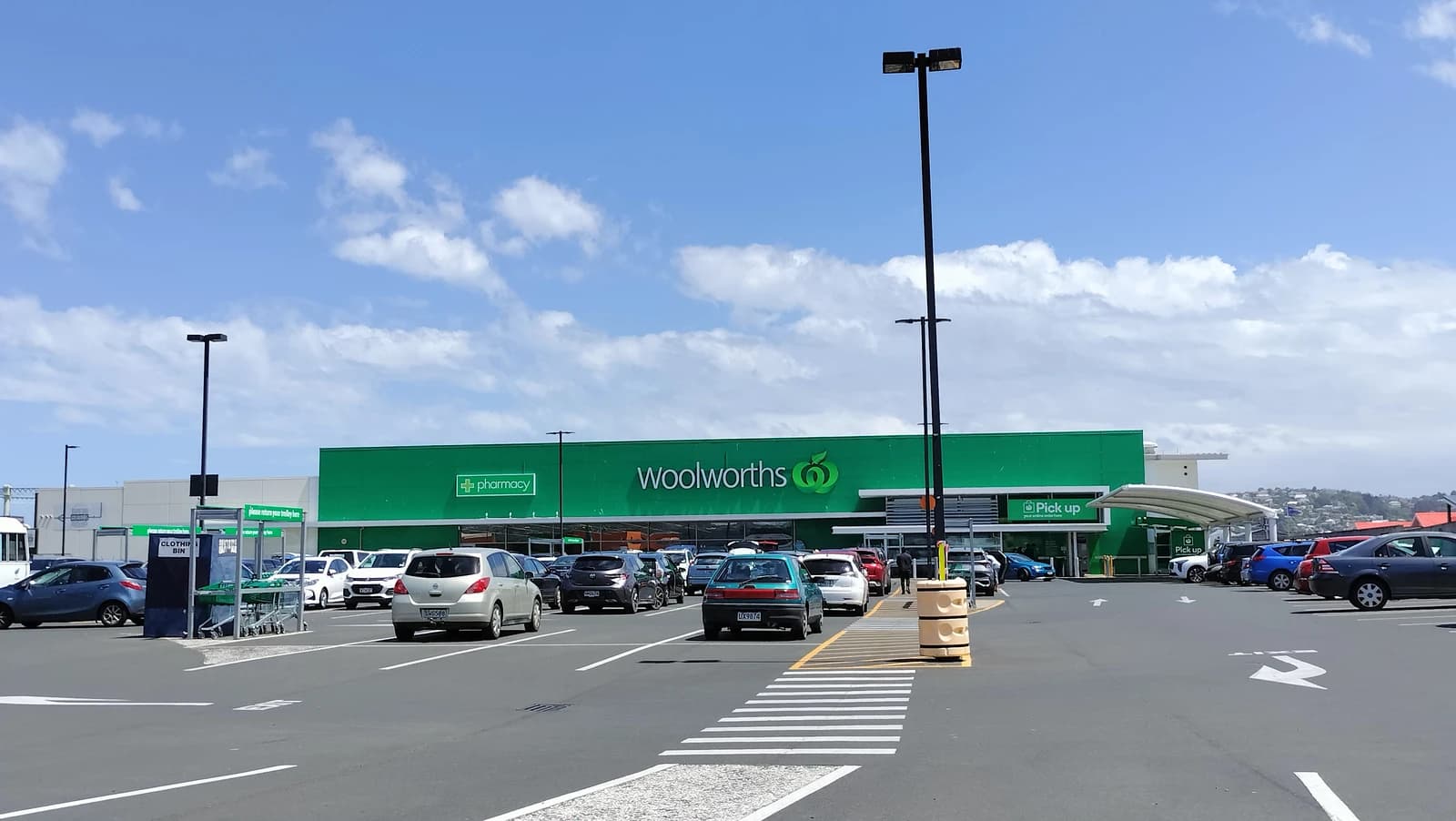
Woolworths is defending its price-checking tactics as standard grocery competition after blunders at multiple Perth IGA stores, a dispute that underscores how hard Australia’s supermarket chains are fighting to protect margins in a market where shoppers are still highly sensitive to price.
Woolworths Price-Checking Dispute Hits Supermarket Shares
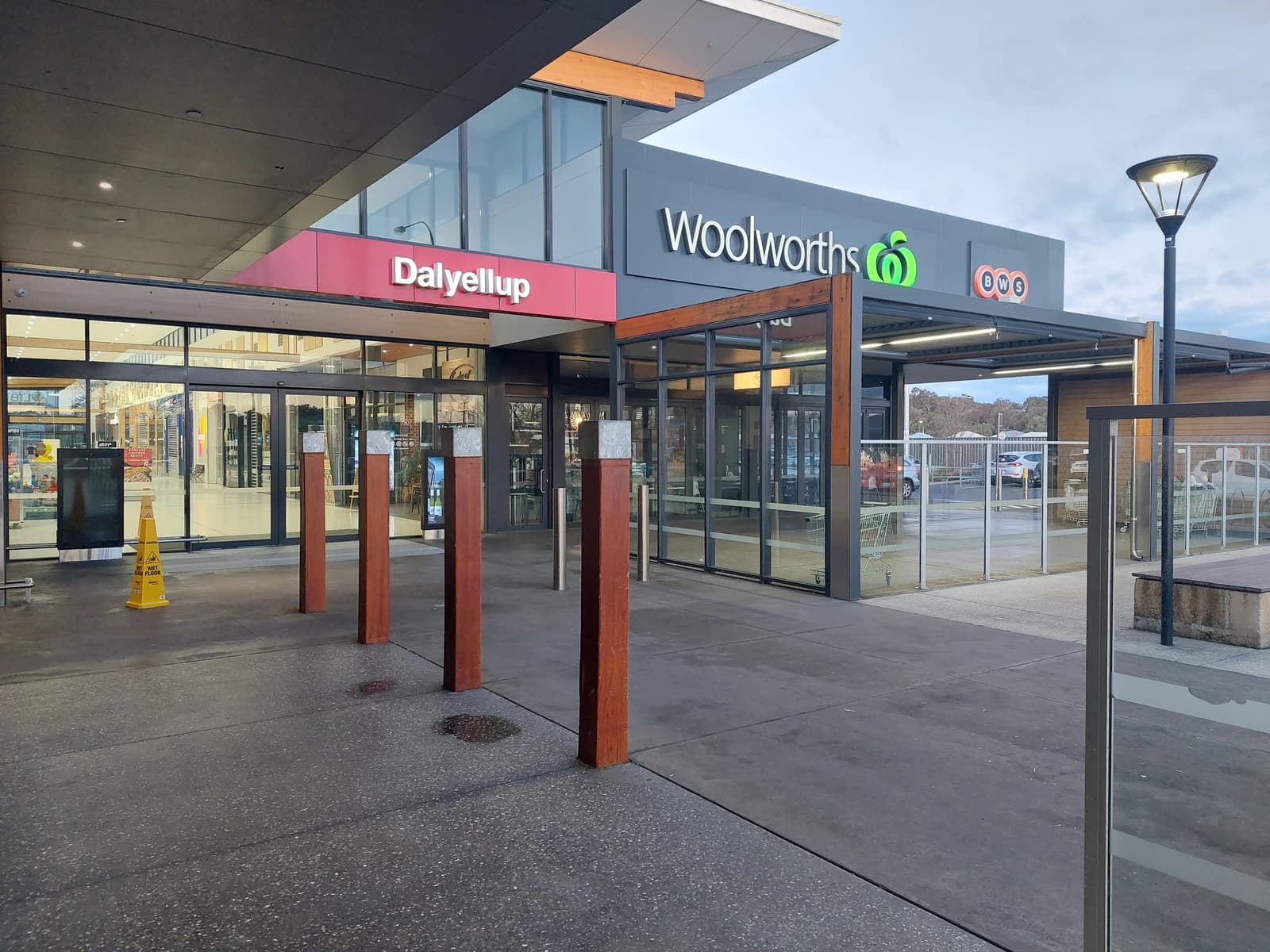
The row matters because even routine market research can become a legal and reputational issue when grocery inflation is squeezing consumers and retailers are battling for share. In a sector built on thin margins and constant price matching, any suggestion of aggressive competitive intelligence risks drawing scrutiny from rivals, landlords and regulators.
For investors, the bigger issue is whether the spat signals a more cut-throat pricing environment for Woolworths and Coles, which could limit pricing power even if volumes hold up. Woolworths shares ended at A$38.41, below their 50-day moving average of A$39.16, after trading as high as A$39.30 on the day, while Coles closed at A$23.52, near its 50-day average of A$23.27, suggesting the market is treating the issue as a competitive pressure point rather than a balance-sheet event.
Technical readings point to a cooler tone for Woolworths than for Coles. Woolworths’ 14-day relative strength index at 42.8 and a slightly negative MACD indicate recent softness after a strong run earlier this year, while Coles’ RSI of 51.8 and positive MACD suggest steadier trading as investors weigh grocery pricing discipline.
Consumer Spending vs WOW.AXadalytica.com
Explore this data interactively — full history, time series and cross-market comparisons.Open AlphaPulse
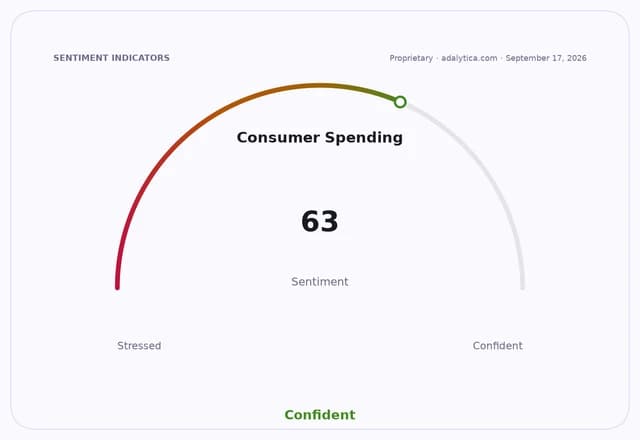
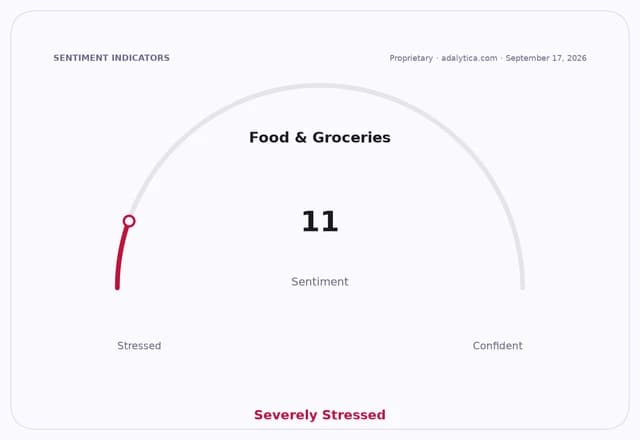
The sector backdrop remains intense. Adalytica’s Food and Grocery Spending Sentiment gauge sits at 11, in “Extreme Fear,” while broader consumer spending sentiment has eased to 63 and “Neutral,” suggesting households are still under strain and likely to keep pushing for lower shelf prices.
That leaves supermarket operators caught between defending market share and preserving profitability. The next catalyst is likely to come from any further commentary from Woolworths, Coles or IGA operators on pricing practices, as well as evidence in upcoming trading updates on whether aggressive price checks translate into lower basket prices or just higher compliance and competitive costs.
| Entity | Gains | Losses |
|---|---|---|
| Woolworths | ▲Defends competitive intelligence | ▼Faces reputational scrutiny |
| Coles | ▲Potential relative pricing stability | ▼Could face broader price war pressure |
| IGA operators | ▲Publicly challenge rivals | ▼Absorb compliance and competition costs |
| Shoppers | ▲More price competition | ▼Less room for retailer margins |