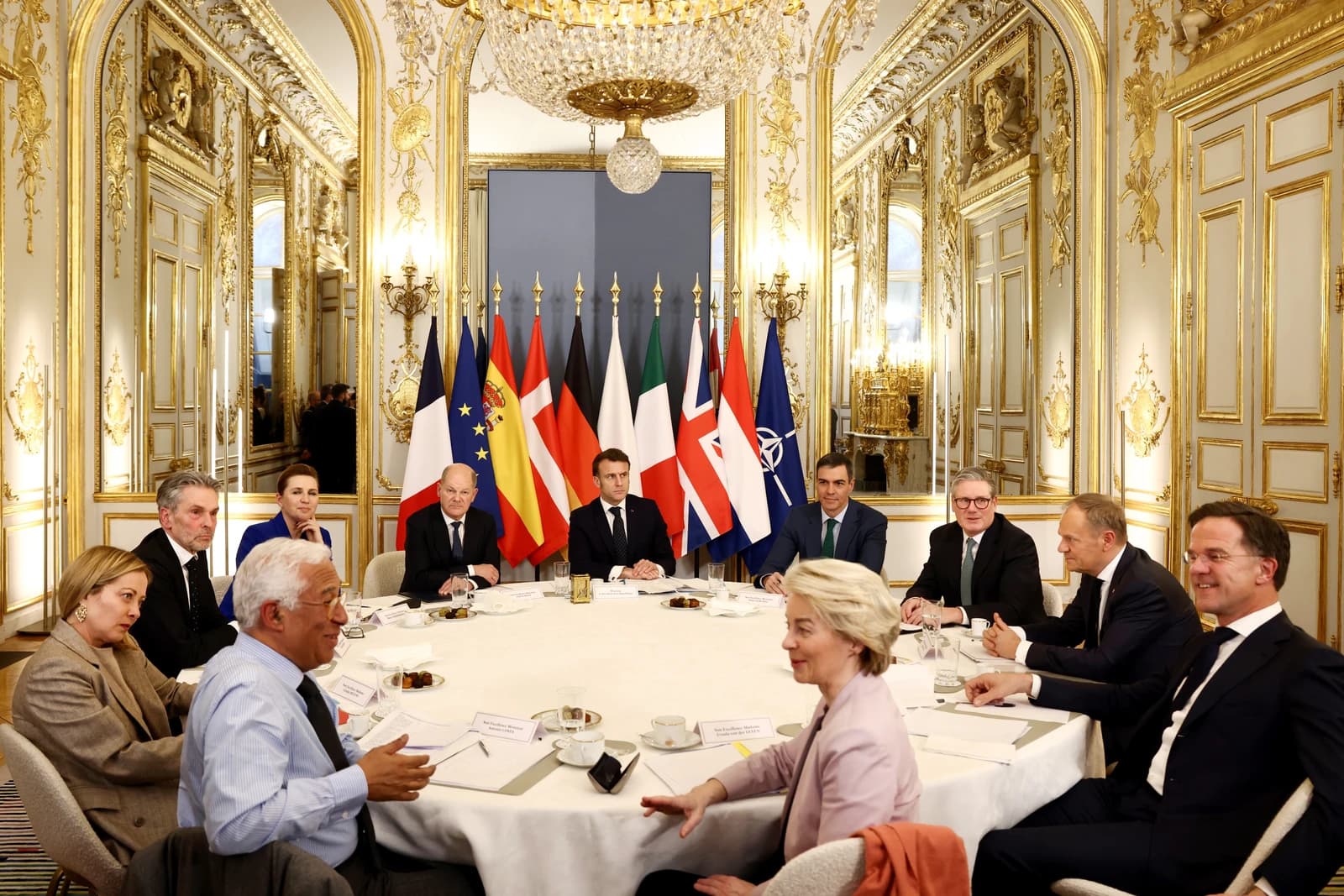
Russia’s accusation that the European Union is getting “cocky” about fighting readiness comes at a moment when markets are already pricing in a more dangerous geopolitical backdrop, with oil near $91.75 a barrel and European defense and energy equities extending gains.
XLE, ITA Rise on Russia-EU Tensions

The economic significance is straightforward: higher war risk in Europe tends to lift crude, underpin defense spending, and keep pressure on governments already facing tighter fiscal room. WTI, which had slumped to $84.57 only days ago, was forecast to edge up to $91.75, while the 10-year U.S. Treasury yield held near 4.79%, a level that still leaves room for energy-led inflation to matter to rate expectations. That mix matters because it pushes investors to think less about isolated diplomatic rhetoric and more about the pricing of sustained risk premia across commodities, industrials and sovereign debt.
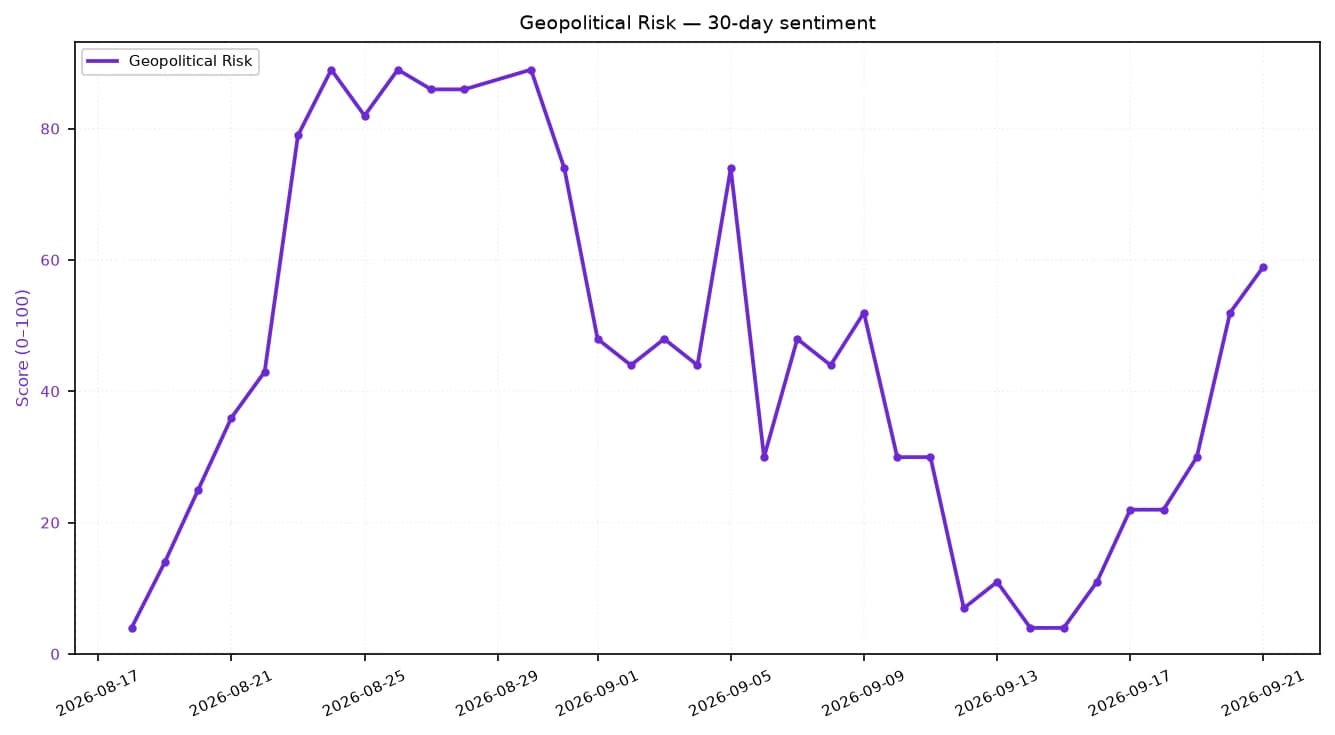
Sentiment IndicatorsⓘProprietary · adalytica.com · September 10, 2026
This is a snapshot — live sentiment, awareness and momentum for 130+ markets update continuously in the dashboard.Open AlphaPulse
Energy has been the clearest market beneficiary. The Energy Select Sector SPDR fund, XLE, rose to $65.31 from $64.06 on Sept. 4 and is now well above both its 50-day and 200-day moving averages, with RSI readings back above 60 and the MACD still positive. The move suggests traders are preparing for tighter supply assumptions or at least more volatile flows if Europe-Russia tensions intensify. Adalytica’s oil trade signal snapshot also shows extreme fear in sentiment alongside extreme greed in awareness, a combination that often captures a market that is nervous about the macro backdrop even as positioning turns more bullish.
Defense stocks are responding in kind. The iShares U.S. Aerospace & Defense ETF, ITA, has slipped in recent sessions, but at $219.45 it remains far above its 200-day average and still reflects a strong longer-term rerating from geopolitical demand. The broader move in the sector has been driven by the same logic embedded in recent corporate filings from major contractors: conflicts in Europe and the Middle East are sustaining demand for missiles, surveillance, aerospace and integrated battlefield systems. For investors, that means the trade is no longer just about a single NATO headline, but about a multi-quarter capex cycle tied to rearmament.
The counterpoint is that rhetoric can outrun fundamentals. Energy prices can fade quickly if supply fears are not matched by actual disruptions, and defense stocks can overshoot if procurement timelines slip or if fiscal constraints slow contract awards. Italy, another gauge of Europe’s exposure, remains under pressure: the Global Stability Sentiment model is neutral, but awareness is elevated, implying investors are alert to a higher-risk regime even if they are not fully pricing a crisis.
For now, Lavrov’s warning fits a broader pattern in which geopolitical friction keeps a floor under oil and defense spending while complicating the inflation outlook. Investors will be watching whether the rhetoric is followed by new sanctions, more attacks on trade routes, or any sign that NATO and EU governments shift from signaling to concrete military preparation. If that happens, energy and defense remain the most obvious winners, while transport, airlines and import-dependent industrials are the likely losers.
| Entity | Gains | Losses |
|---|---|---|
| XLE / energy producers | ▲Higher crude and risk premium | ▼Demand destruction if tensions ease |
| ITA / defense contractors | ▲More rearmament spending | ▼Slower procurement if budgets tighten |
| EU governments | ▲Political leverage on security | ▼Higher fiscal and inflation pressure |
| Airlines/importers | ▲— | ▼Higher fuel costs and volatility |