XRP is getting a fresh institutional boost just as its price hovers near $1.30, and that matters because public-market access can be a powerful catalyst for a token whose value rests on adoption, liquidity and investor trust.
XRP Near $1.30 as Evernorth Launches XRPN
The key development is Evernorth’s Nasdaq transaction, which creates what it says will be the largest publicly traded pure-play XRP treasury company. Trading under the XRPN ticker, the vehicle is expected to hold roughly 473 million XRP after raising more than $1 billion in cash proceeds and XRP contributions. For investors who want exposure to the payments token without directly custodying it, that is a meaningful step toward mainstream market access.
Why does this matter economically? Because crypto assets often struggle for legitimacy until they gain the kind of visibility public equities provide. A Nasdaq listing does not change XRP’s underlying utility overnight, but it can broaden the buyer base, deepen institutional familiarity and help frame XRP less as a speculative token and more as a payments and treasury asset. In markets, narrative matters — especially when it is backed by a tradable vehicle.
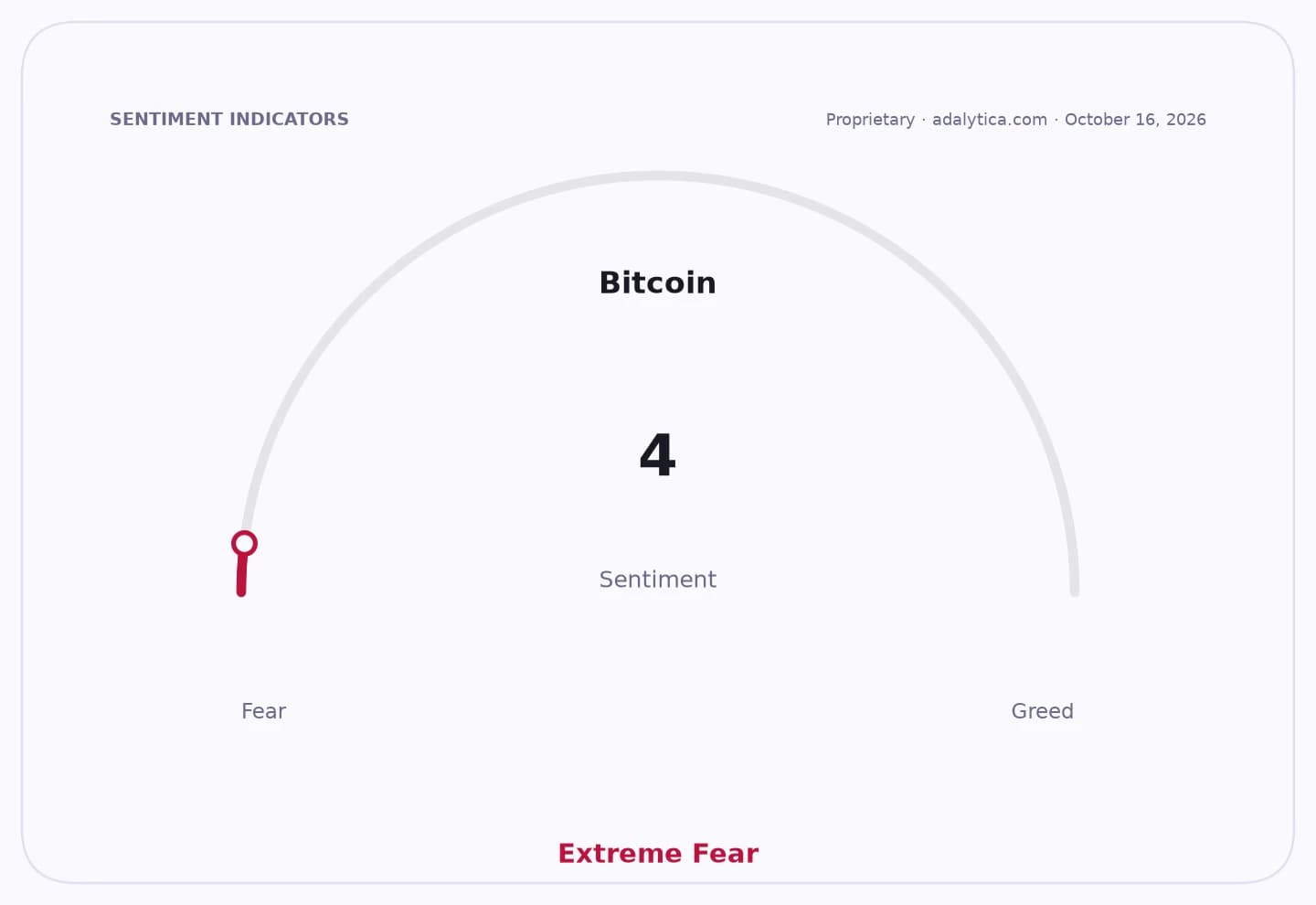
That backdrop helps explain why traders are watching the $1.35 to $1.30 band so closely. XRP closed at $1.30 on Oct. 17, below its 50-day moving average of $1.42 and just under support that analysts say needs to hold to keep the recovery intact. The token has also been losing momentum on conventional technical measures: its RSI reading is 25, which points to deeply oversold conditions, while MACD remains below its signal line. If buyers can defend this zone, the next hurdles are around $1.45, $1.52 and $1.60. A break above that could open the door to $1.80 and then the symbolic $2 level.
For long-term investors, the more important question is not whether XRP can bounce a few cents in either direction, but whether public-market wrappers can accelerate real adoption. Ripple’s payment ties, XRPL development and treasury use case keep XRP at the center of the institutional payments conversation. Still, a move to $2 would require a lot more capital, which is why visibility alone may not be enough unless it comes with sustained inflows from regulated products and corporate treasuries.
That is where the Remittix comparison becomes useful. The smaller PayFi token is targeting the same global payments audience from a different angle: consumer remittances. With the World Bank estimating $685 billion in remittances to low- and middle-income countries in 2024 and transfer costs still above 6%, the market is large enough for multiple winners. Remittix says it has raised over $32 million from more than 40,000 participants, with its iOS wallet topping 10,000 downloads and its markets product processing more than $50 million. Its appeal is not public-market scale, but early-stage optionality.
For investors, that sets up a classic trade-off. XRP offers scale, recognition and a Nasdaq-linked institutional story. Remittix offers earlier entry into the same payments theme, with potentially bigger percentage upside if adoption materializes. But the flip side is obvious: earlier-stage tokens carry higher execution risk, especially in a crypto market where fraud, hacks and regulatory scrutiny remain elevated.
The bigger narrative is that payments crypto is moving from concept to competition. XRP now has a public-market anchor; Remittix is trying to capture the same use case before the crowd arrives. For patient investors, the takeaway is straightforward: watch whether XRP can reclaim $1.45 and whether new institutional wrappers bring steady demand, while treating early-stage PayFi names as speculative bets that belong in a diversified portfolio, not the center of it.
| Entity | Gains | Losses |
|---|---|---|
| XRP / XRPN holders | ▲More institutional access | ▼Near-term upside capped |
| Evernorth / Nasdaq investors | ▲Regulated XRP exposure | ▼Crypto price volatility |
| Remittix buyers | ▲Earlier-stage upside | ▼Higher execution risk |
| Short-term traders | ▲Volatility opportunities | ▼Whipsaw risk |