Yes Bank is unlikely to pay coupons due this year on its Additional Tier-1 bonds, even after India’s Supreme Court ruled the bank’s 2020 write-off was unlawful, underscoring how messy the legacy of a bank rescue can remain long after the crisis has passed.
Yes Bank AT-1 coupons remain unpaid after court ruling
For investors, the key issue is not just whether the coupons get paid. It is whether the court victory actually restores economic value to holders of these risky perpetual securities, or whether the bank’s discretion over coupon payments still leaves them stuck in limbo. That uncertainty matters because AT-1 bonds are meant to act as a loss-absorbing capital buffer for banks, and the Yes Bank case has become a live test of how much protection investors really have when a lender is rescued.
Reuters reported, citing two people familiar with the matter, that the bank is preparing to seek a review of the Supreme Court ruling. In the meantime, bondholders are pushing for payment of coupons that have gone unpaid since the securities were written off during Yes Bank’s 2020 reconstruction. Retail investors said they did not receive the coupon due on October 18, three days after the court ruling, and asked Axis Trustee Services to clarify whether the payment had been made, cancelled or remained outstanding.
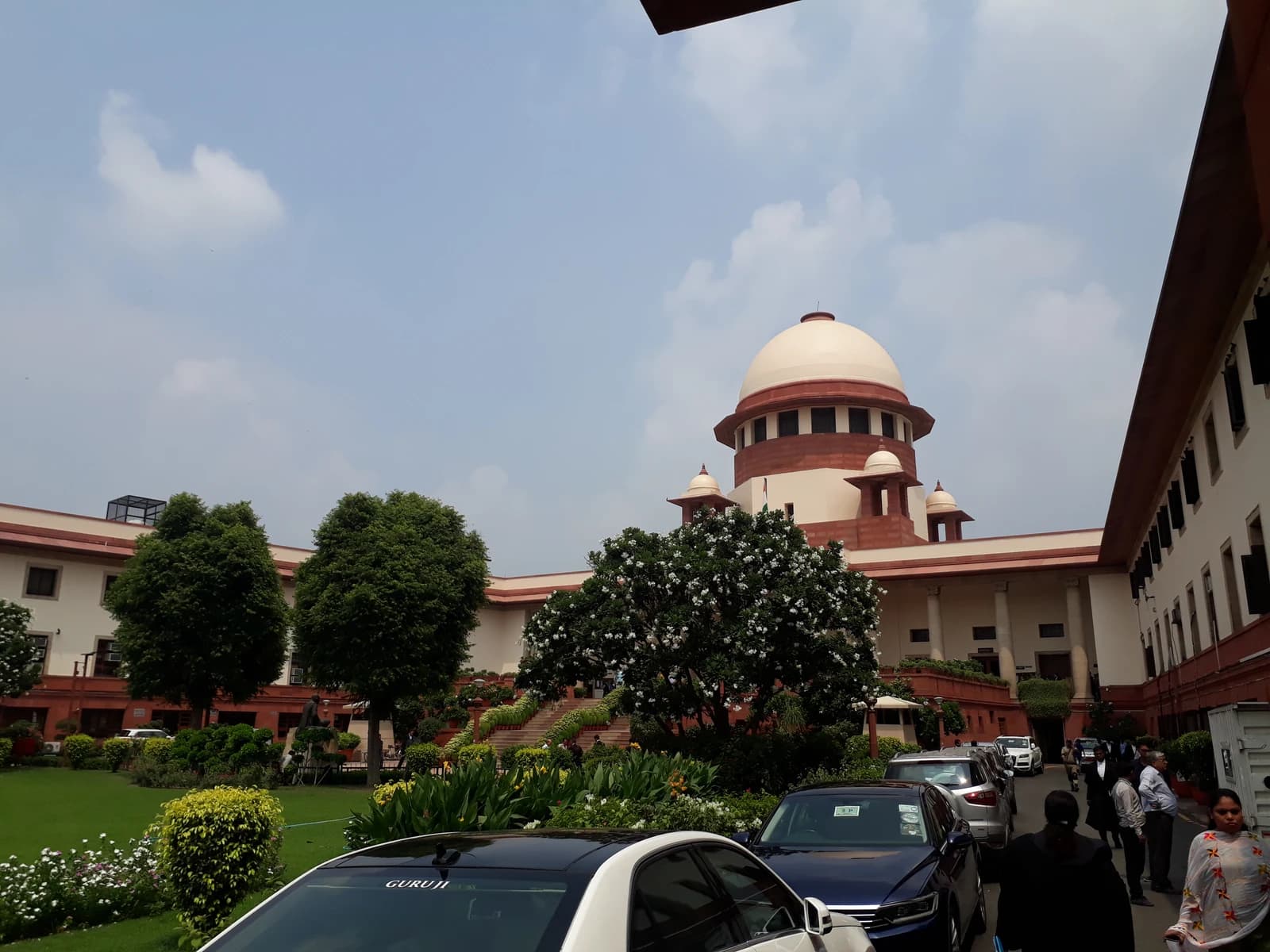
That matters because the legal ruling and the cash payment issue are not the same thing. The Supreme Court on October 15 dismissed appeals by Yes Bank, the Reserve Bank of India and the federal government, backing an earlier Bombay High Court decision that overturned the write-off of ₹8,415 crore of AT-1 bonds. But Reuters said the bond documents give Yes Bank discretion over coupon payments, meaning investors may have won a legal battle without immediately regaining the income stream they expected.
The bank’s own disclosures also suggest the ruling is not cost-free. Yes Bank said the decision could reduce its common equity tier 1 capital ratio by about 250 basis points, even though its overall Tier 1 ratio would stay unchanged at 14% on a pro forma basis. That is important for shareholders and creditors alike: if the bank’s capital cushion weakens, management may prefer to preserve flexibility rather than resume payments on disputed securities right away.
For long-term investors, the episode is a reminder that bank capital instruments are only as strong as the legal framework around them. AT-1 bonds can offer attractive yields, but they come with real downside risk, especially in distress. The broader lesson is that court rulings, regulatory decisions and capital structure terms can all collide in ways that delay recovery even after a headline victory.
Yes Bank still has options to manage the fallout, and bondholders still have a path to press their claims. But until the review process runs its course and the bonds are formally reinstated on the balance sheet, the most likely outcome is continued uncertainty rather than a clean payout. That makes the stock and the bonds worth watching, but only with patience and a healthy respect for the risks embedded in bank rescue securities.
| Entity | Gains | Losses |
|---|---|---|
| Yes Bank | ▲Preserves cash flexibility | ▼Faces legal and reputational pressure |
| AT-1 bondholders | ▲Court-backed claim restored | ▼Still waiting for coupons |
| Equity investors | ▲Tier 1 remains intact | ▼CET1 ratio may fall |
| RBI and government | ▲Limited immediate cash outflow | ▼Setback in rescue framework precedent |