A former top Zhejiang provincial official has been sentenced to death for taking more than 193 million yuan in bribes, underscoring how Beijing’s anti-graft drive continues to sweep up senior figures whose decisions can shape investment, financing and corporate access in one of China’s wealthiest regions.
Zhejiang Official Sentenced to Death for Bribery
The case matters well beyond one disgraced official. Cao Xingfu, a former vice chairman of Zhejiang’s provincial legislature and ex-vice governor, was found to have abused his positions from 2004 to 2025 to help companies and individuals with project bids, stock listings and business operations in exchange for cash and assets. For investors, that kind of conduct goes straight to the heart of how deals get approved, how capital is allocated and how trust is priced into doing business in China.
The court said the scale of the bribes was exceptionally large and that the damage to state and public interests was severe enough to warrant the death penalty in principle. It also ordered the confiscation of all personal assets and the recovery of illicit gains. Still, the sentence was tempered because Cao confessed after his arrest, admitted guilt and expressed remorse, while some bribery attempts were unfinished and much of the illegal income had already been recovered.
That combination — a harsh punishment paired with a limited show of leniency — is typical of China’s anti-corruption enforcement. It is meant to deter misconduct while reinforcing the message that political connections are no substitute for regulatory discipline. For companies, especially those reliant on local approvals, financing channels or listing pathways, the risk is that compliance scrutiny remains elevated and long-standing networks of influence can be abruptly dismantled.
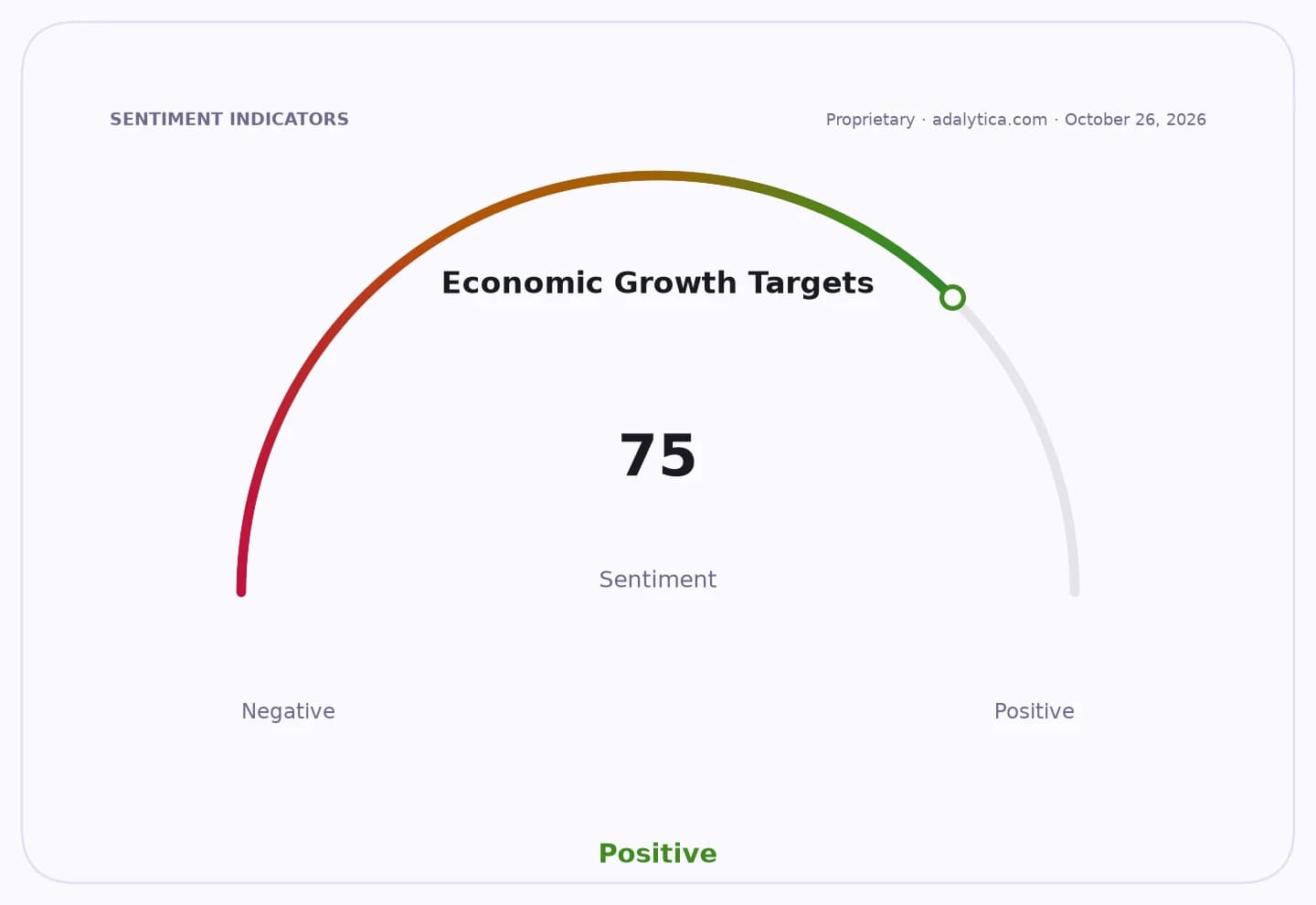
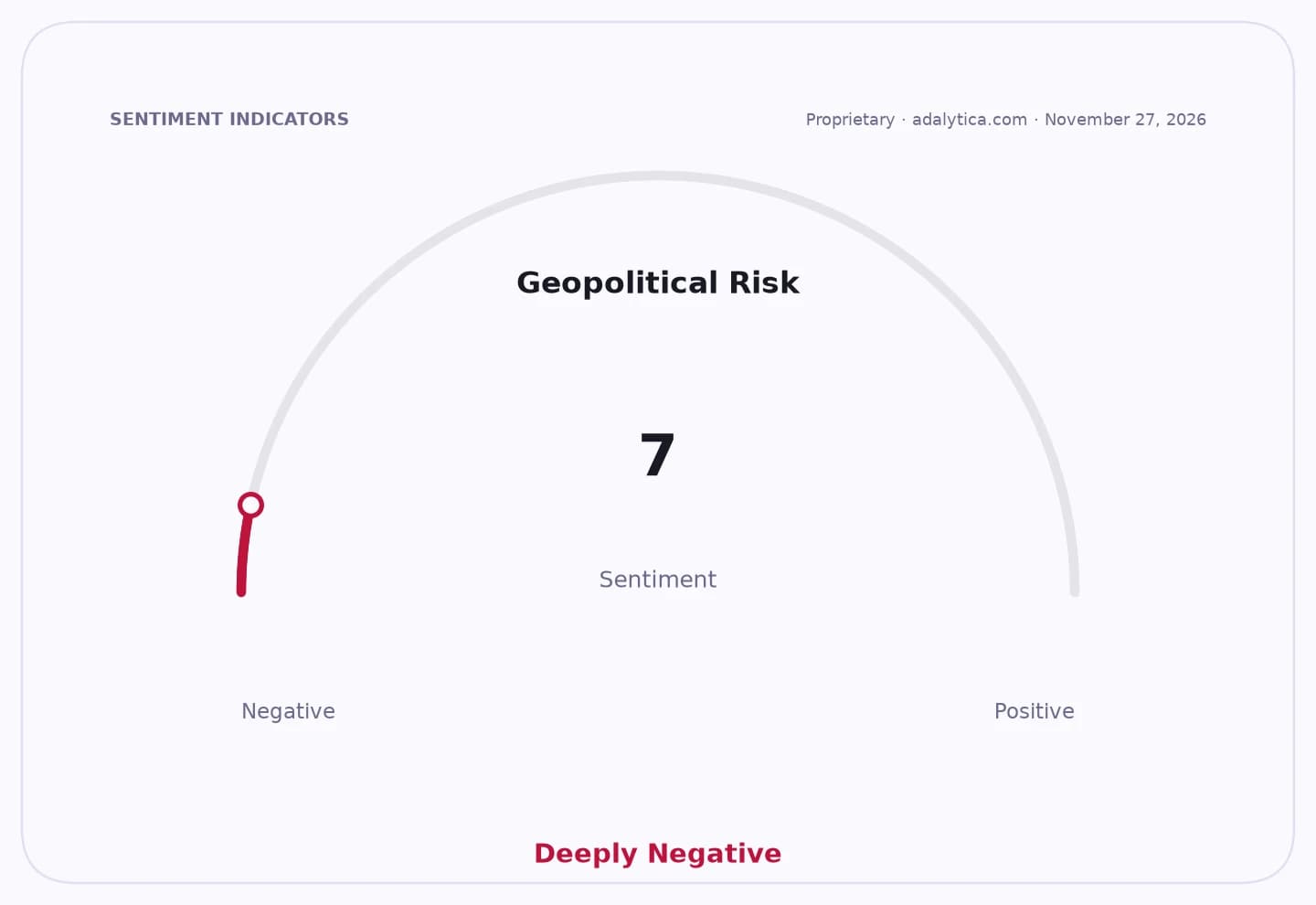
For long-term investors, the takeaway is simple: governance risk in China is not theoretical. It can affect project timelines, licensing, listings and valuation multiples, particularly in sectors where state power and private capital intersect. The broader crackdown may support cleaner governance over time, but it also reminds foreign and domestic investors that policy and political risk remain part of the price of doing business in China. That is worth watching closely, especially for anyone with exposure to Chinese financials, property, infrastructure or locally connected growth names.
| Entity | Gains | Losses |
|---|---|---|
| Chinese authorities | ▲Anti-graft credibility | ▼Corruption networks |
| Investors and companies with clean compliance | ▲More predictable rules | ▼Less access to favoritism |
| Local officials and politically connected firms | ▲— | ▼Influence-based dealmaking |
| Zhejiang business ecosystem | ▲Longer-term governance cleanup | ▼Near-term uncertainty |