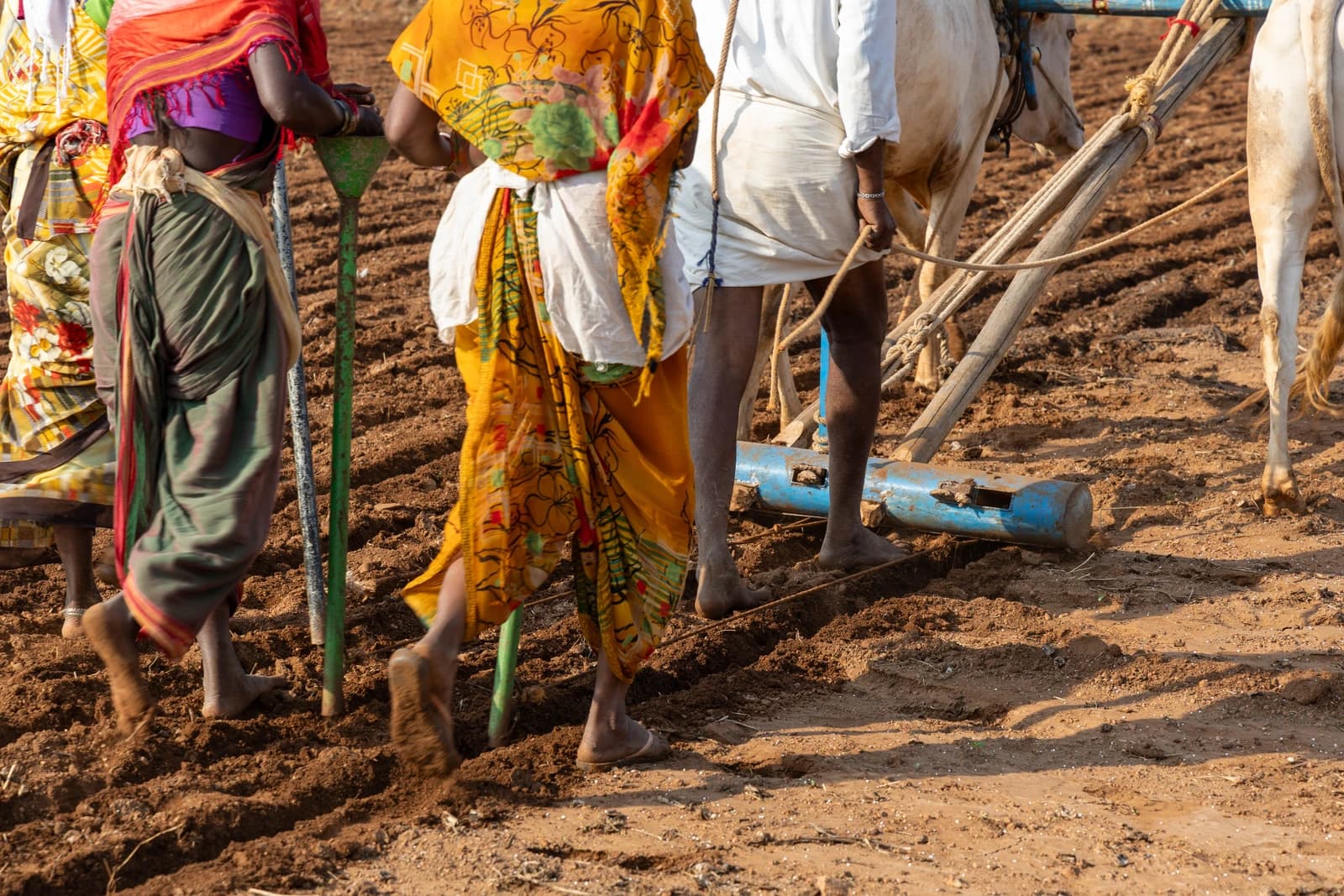
Zimbabwe’s farmers are increasingly adopting conservation agriculture as a way to protect yields, lower input costs and cope with rising climate stress, a shift that matters well beyond the farm gate because it speaks to food security, rural incomes and the resilience of a sector that still anchors much of the economy.
Zimbabwe farmers adopt conservation agriculture
The move is economically significant because conservation agriculture — typically built around minimal soil disturbance, permanent soil cover and crop rotation — can help preserve moisture, reduce erosion and improve long-run productivity on land that is already under pressure from erratic rainfall and fragmented plots. In a country where agriculture supports livelihoods for a large share of the population, even modest gains in soil health and yield stability can translate into more predictable supplies, lower import dependence and less volatility in household food spending.
Sentiment IndicatorsⓘProprietary · adalytica.com · August 22, 2026
This is a snapshot — live sentiment, awareness and momentum for 130+ markets update continuously in the dashboard.Open AlphaPulse
The story is also about cost. Zimbabwean farmers face persistent strains from seed, fertilizer and fuel bills, while drought risk and degraded soils can force repeated replanting or deeper working of land that strips out moisture. Conservation agriculture can soften some of those pressures by reducing tillage passes and improving water retention, though the payoff is usually gradual and depends on access to extension services, equipment and disciplined farm management. That makes local research and farmer-led experimentation important: the most credible adoption model is one built around practical evidence rather than top-down instruction.
For investors, the implications reach into agribusiness supply chains as well as broader emerging-market risk. A more resilient Zimbabwean crop base could support local demand for farm inputs, irrigation, machinery and storage, while reducing the amplitude of supply shocks that ripple into regional grain markets. It also matters for companies exposed to African agriculture and food distribution, where weather-driven shortages can tighten margins and lift working-capital needs. In the case of global processors and traders, a steadier production base is constructive, but only if adoption scales enough to improve volumes rather than merely preserve subsistence output.
The backdrop is consistent with a wider push across agriculture to pair productivity with sustainability. Government and community-backed land and water management efforts, including conservation-oriented practices and infrastructure repair, are increasingly framed as economic policy as much as environmental policy. That is particularly relevant in regions where fragmented land use and deteriorating soils have left farms vulnerable to climate shocks.
The key question now is whether Zimbabwe’s farmer-led research can move conservation agriculture from demonstration plots to broader commercial practice. If it does, the upside is better yields, lower weather sensitivity and more stable farm incomes. If it stalls, the country remains exposed to the same cycle of drought losses, input inflation and food-price pressure that has long weighed on growth.
| Entity | Gains | Losses |
|---|---|---|
| Zimbabwe farmers | ▲Better moisture retention | ▼Higher upfront learning costs |
| Rural households | ▲More stable food supply | ▼Continued drought exposure |
| Agribusiness suppliers | ▲Demand for inputs and services | ▼Slower volume growth if adoption lags |
| Consumers/importers | ▲Lower price volatility | ▼Persistent supply shocks |