2G Energy has landed a 275 MW order from Energy Vault Holdings to supply dispatchable power systems for U.S. AI data centers, underscoring how urgently the market is moving to secure firm electricity for compute-heavy workloads that grid interconnections cannot always deliver on time.
2G Energy Wins 275 MW Order for AI Data Centers
The deal matters because power availability has become one of the binding constraints on AI infrastructure buildouts, often outranking chip supply or even site selection. Energy Vault said the systems will support its powered land and powered shell offerings, which are aimed at hyperscalers and other data center customers that need modular, repeatable power architectures able to come online quickly and scale in phases. In practical terms, the contract ties 2G’s generation equipment into a broader package of batteries, power conversion and software controls designed to keep data centers running through rapid load swings and high uptime requirements.
Sentiment IndicatorsⓘProprietary · adalytica.com · September 28, 2026
This is a snapshot — live sentiment, awareness and momentum for 130+ markets update continuously in the dashboard.Open AlphaPulse
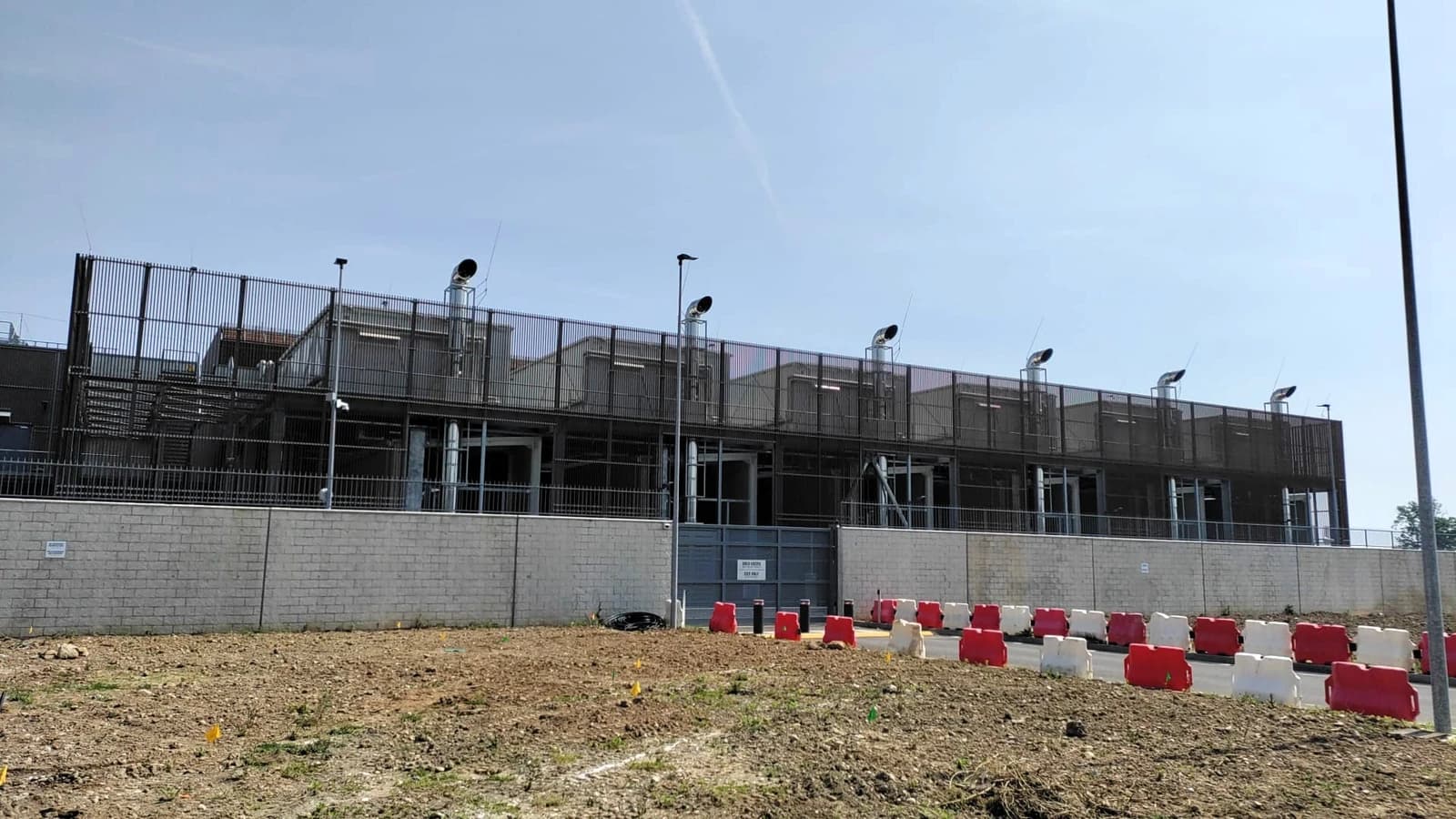
For 2G, the order is more than a one-off equipment sale. The German company said the units will be preassembled and tested at its Heek plant before shipping to the U.S. for commissioning, with delivery scheduled between the fourth quarter of 2027 and the third quarter of 2028. The arrangement also includes long-term service support, which should extend revenue beyond the initial installation and deepen the company’s role in mission-critical infrastructure. That service component is important for investors because it typically improves visibility and can help smooth margins compared with pure hardware sales.
The announcement also highlights the widening role of non-grid power in AI infrastructure. Energy Vault described the systems as the dispatchable generation layer within an integrated architecture that combines on-site generation with battery storage and its VaultOS energy management software. That model is designed to bridge the gap between exploding data center demand and congested transmission networks, especially in markets where utility interconnections can take years. For developers, the appeal is speed and certainty; for equipment suppliers such as 2G, it creates a new addressable market that sits at the intersection of power generation, storage and digital infrastructure.
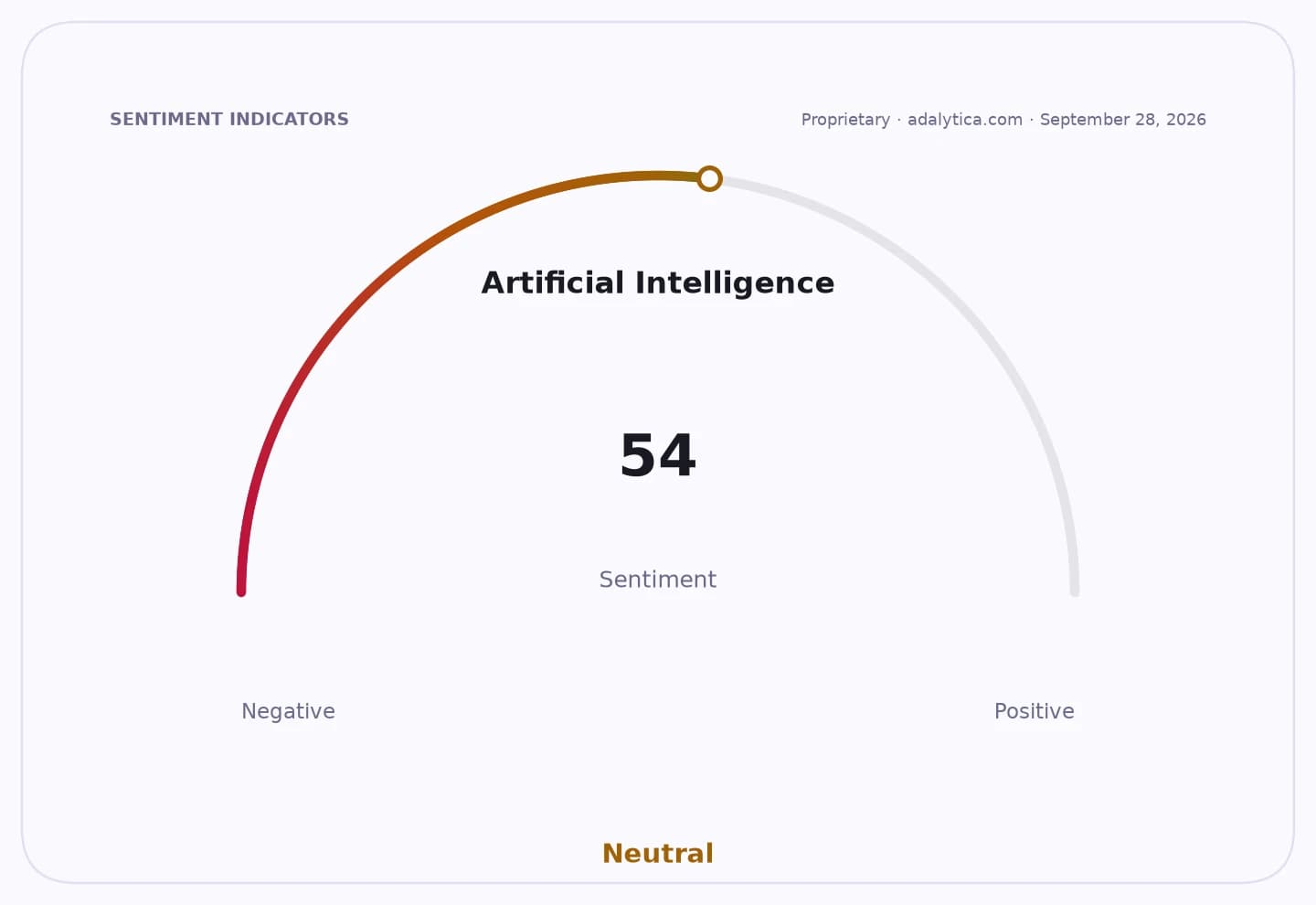
The order lands against a backdrop of escalating investor interest in companies exposed to the data center power buildout. Eaton shares were down 2% to $428.16 on Sept. 28 after touching the high $440s last week, while Energy Vault’s stock has remained volatile, reflecting both the opportunity and the execution risk in turning AI power demand into repeatable projects. Energy Vault’s own sentiment reading on Adalytica was neutral at 54, while Microsoft’s earnings sentiment was in “extreme fear” and Nvidia’s was neutral, a reminder that investors are still sorting winners from companies that are merely adjacent to the AI theme.
For 2G, the commercial logic is straightforward. The company has said it is expanding production capacity at Heek, including a new hall already operational in 2026 and a second site planned by end-2027, suggesting it expects more large-scale orders of this type. That matters because the AI power market is shifting from bespoke projects to standardized systems that can be manufactured, shipped and deployed quickly. If that trend holds, suppliers with proven installation and lifecycle service capabilities may capture a growing share of a market that is likely to stay capacity-constrained for years.
The risk is that the demand opportunity is real but still early. Large orders can take time to convert into revenue, and execution depends on delivery schedules, permitting, interconnection strategy and customer financing. Still, the direction of travel is clear: data center operators are increasingly buying power as a product, not merely sourcing it from the grid. That is a structural tailwind for firms able to package generation, storage and controls into deployable systems.
| Entity | Gains | Losses |
|---|---|---|
| 2G Energy | ▲275 MW backlog and service revenue | ▼Near-term execution risk |
| Energy Vault | ▲Faster AI power deployment | ▼Higher project complexity |
| AI data center operators | ▲More firm power options | ▼Less dependence on cheap grid power |
| Grid-constrained utilities | ▲Deferred immediate load pressure | ▼Lose captive demand growth |