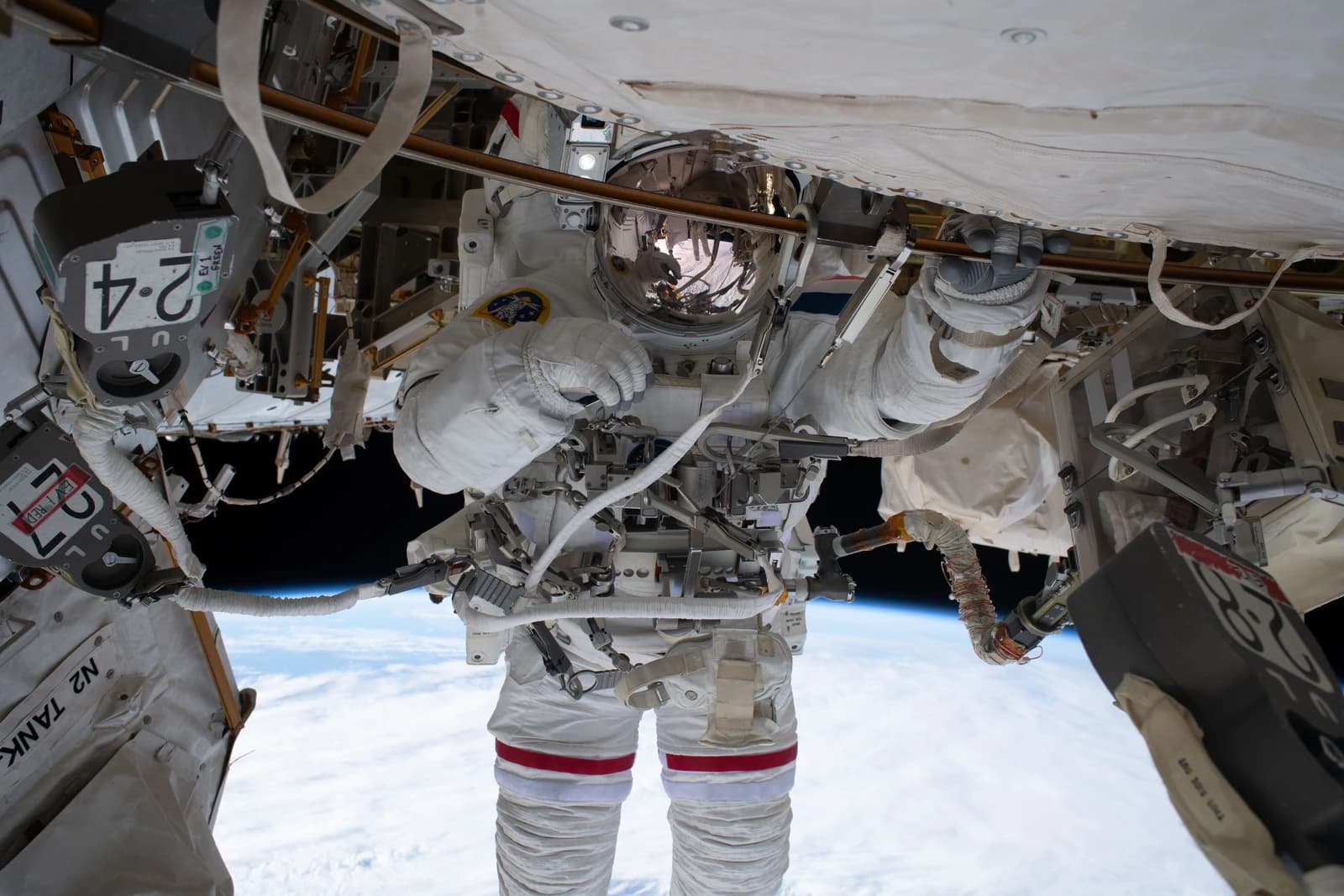
Google is testing whether its custom AI chips can run in space, a bold experiment that could redefine where the next era of compute is built and who supplies it.
Google tests custom AI chips in space
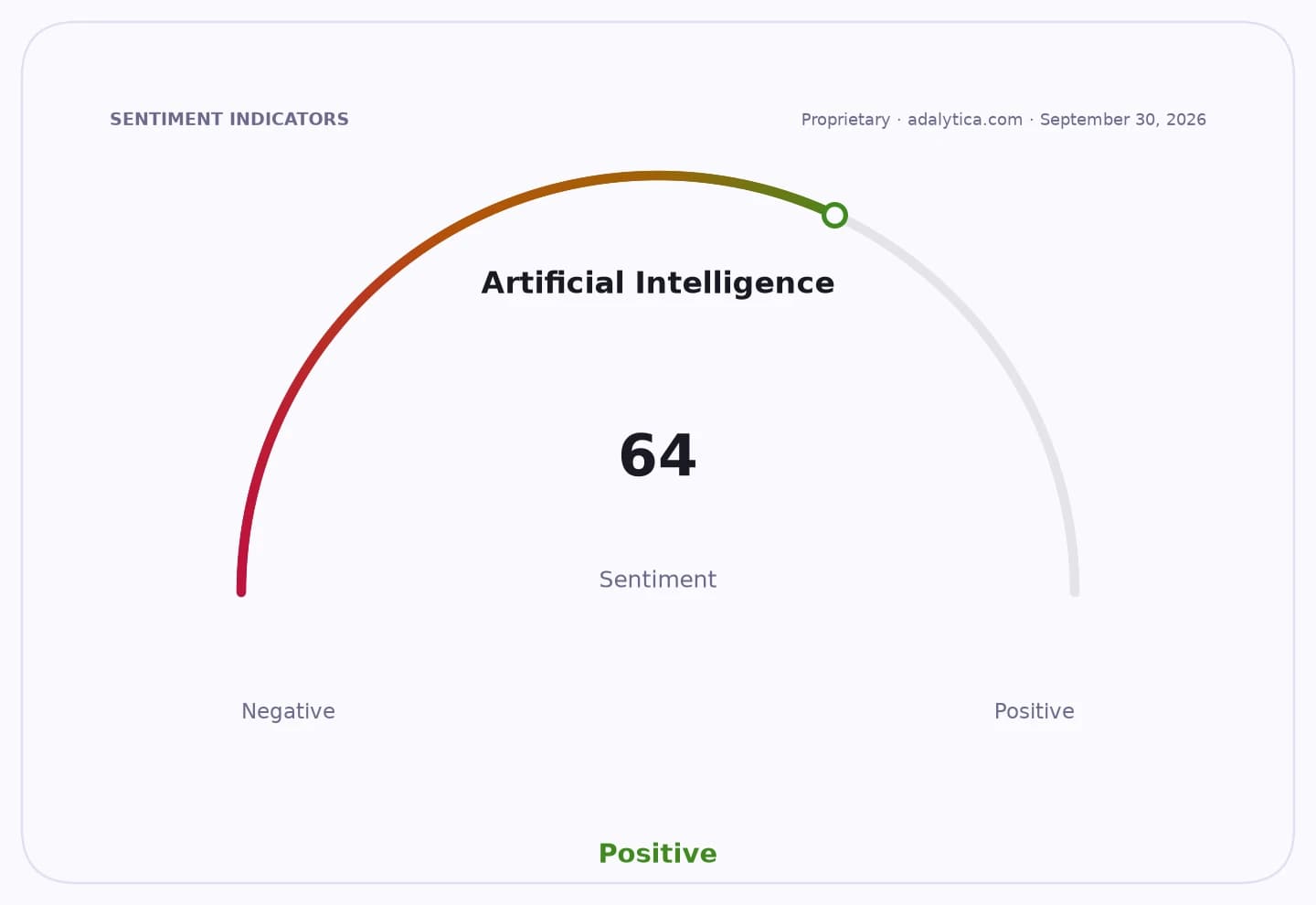
The company’s Suncatcher project matters because AI is running into a very earthly constraint: power. Data centers are increasingly constrained by electricity, cooling and grid capacity, and that bottleneck is becoming one of the biggest limits on how fast the AI economy can scale. Moving inference or training hardware off-planet is still experimental, but even the attempt tells investors something important — the AI arms race is no longer just about bigger models, it is about securing the cheapest, most reliable compute infrastructure imaginable.
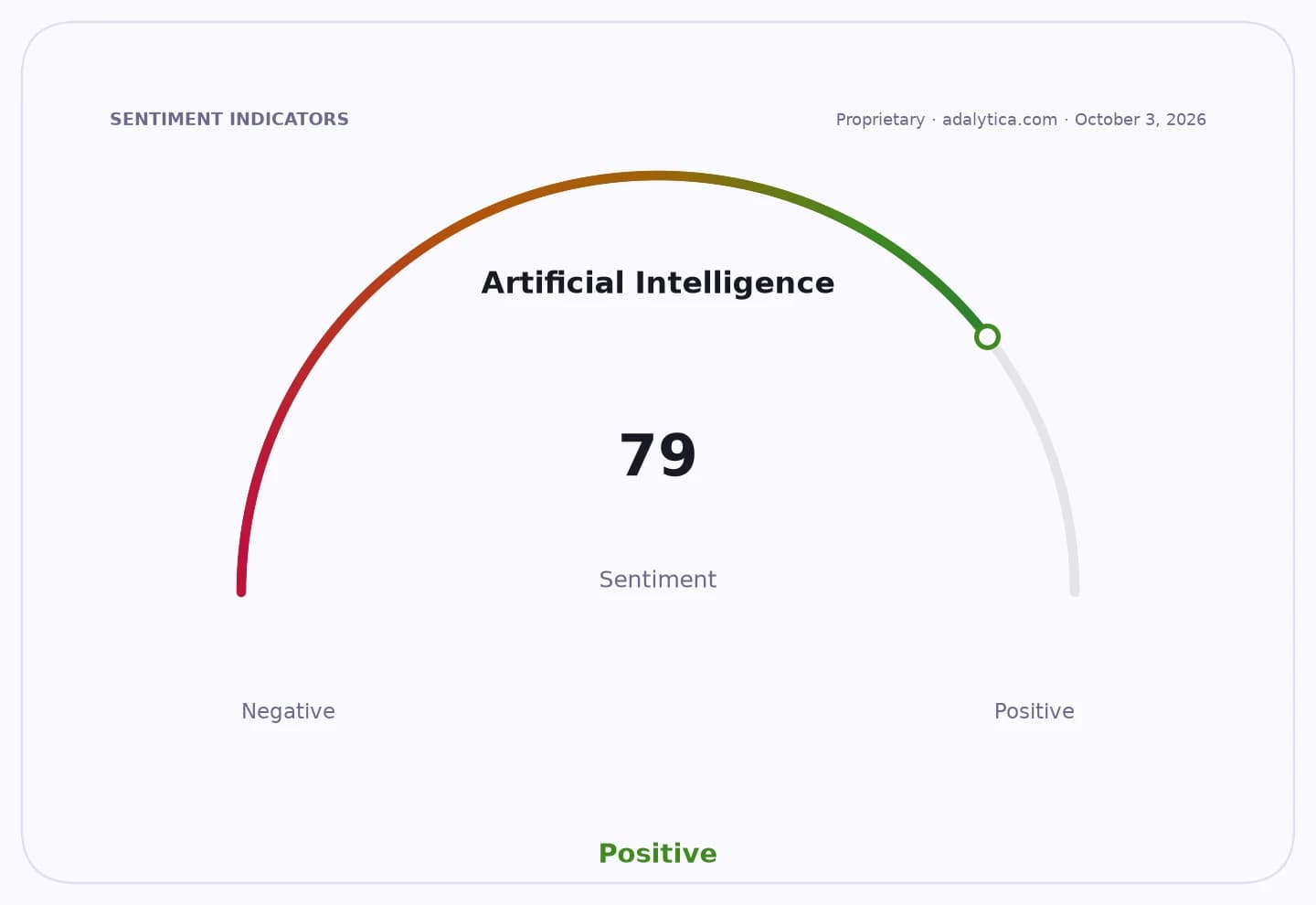
Sentiment IndicatorsⓘProprietary · adalytica.com · September 30, 2026
This is a snapshot — live sentiment, awareness and momentum for 130+ markets update continuously in the dashboard.Open AlphaPulse
For Google, this is classic strategic positioning. The company has already said in filings that it is advancing custom TPUs and supplying TPU systems to meet customer demand, a sign that its AI business is becoming more hardware-intensive and capital-intensive. If Suncatcher ever proves viable, Google would not just own a model stack and cloud platform, but a differentiated compute architecture that could deepen its moat in AI infrastructure. That is the kind of vertical integration markets reward over time because it can translate into lower unit costs, higher margins and stronger customer lock-in.
The move also highlights how far the AI capex cycle has expanded. Nvidia remains the dominant beneficiary of current AI spending, but Google’s experiment shows that hyperscalers are now looking beyond today’s server farms for the next marginal watt of compute. That is a bullish signal for the entire AI supply chain — from chip designers to advanced packaging, networking and power infrastructure — while also underscoring the risk that traditional assumptions about data center economics may not hold for long.
Google’s shares have already reflected strong investor enthusiasm, with the stock closing at $352.01 on Sept. 30, above both its 50-day and 200-day moving averages. By contrast, Nvidia’s stock has been more volatile even as demand remains powerful, and Intel has been far more erratic as the market searches for the next credible AI hardware winner. The technical backdrop says momentum remains intact for the broad AI trade, but the deeper story is that the market is still underestimating how much capital this buildout will absorb and how many adjacent winners it will create.
That is why the Suncatcher test should be read as more than a sci-fi headline. It is a signal that the AI infrastructure race is entering its next phase, where power access, custom silicon and deployment flexibility matter as much as model quality. Investors should keep leaning into the names that control the picks-and-shovels of this buildout — especially hyperscalers with proprietary silicon, chip suppliers tied to AI demand, and infrastructure plays exposed to power, networking and cooling. The opportunity is not just in the software layer; it is in the physical systems that make AI scale.
| Entity | Gains | Losses |
|---|---|---|
| ▲TPU moat, long-term AI differentiation | ▼Higher R&D and execution risk | |
| Nvidia | ▲More AI compute demand overall | ▼Some custom-chip share pressure |
| Intel | ▲Validation of alternative chip paths | ▼Missed AI leadership narrative |
| Power/grid infrastructure suppliers | ▲More demand for compute capacity | ▼Traditional data center constraints |